
The Structure of Sui: Exporting Japan's Quiet Luxury

In November I made an unexpected return to Japan* after a 2-year hiatus to attend the presentation of the JAPAN SUI COLLECTION at the Kyōto Geihinkan (Kyoto State Guest House) within the Imperial Park.
While the country is enjoying unprecedented global interest, from record tourism to the 'matcha effect', this affection seldom engages with its deeper cultural foundations. The SUI COLLECTION is the Cabinet Office of Japan’s strategic pitch to global markets that the country has much more to offer by leveraging its craftsmanship and culinary excellence.
The curators faced the tough task of picking highlights of Japanese culture through a lens that could diversify and expand Japan's exports. To do so, they chose Iki (粋), an aesthetic of refinement and subdued chic.
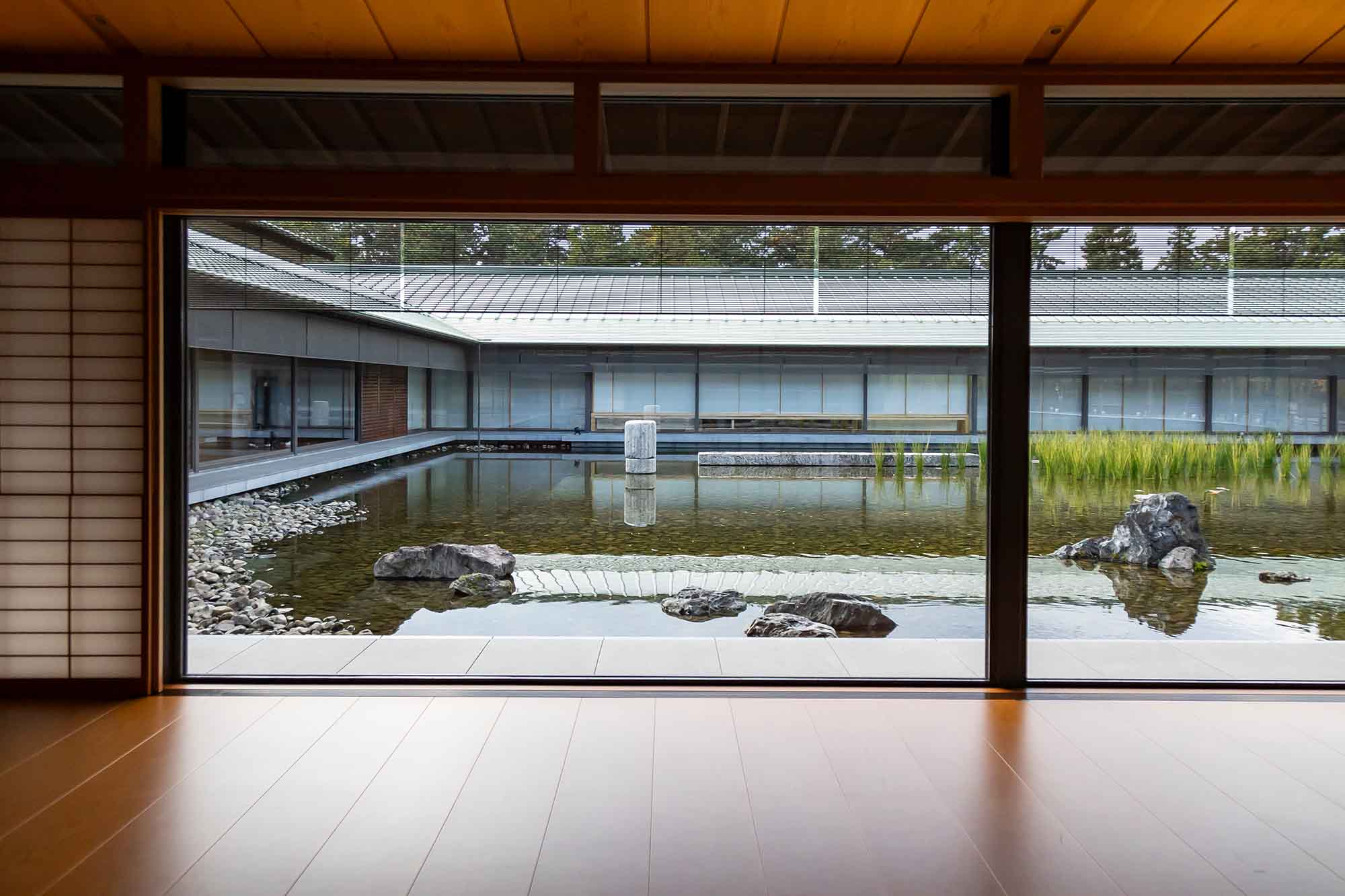
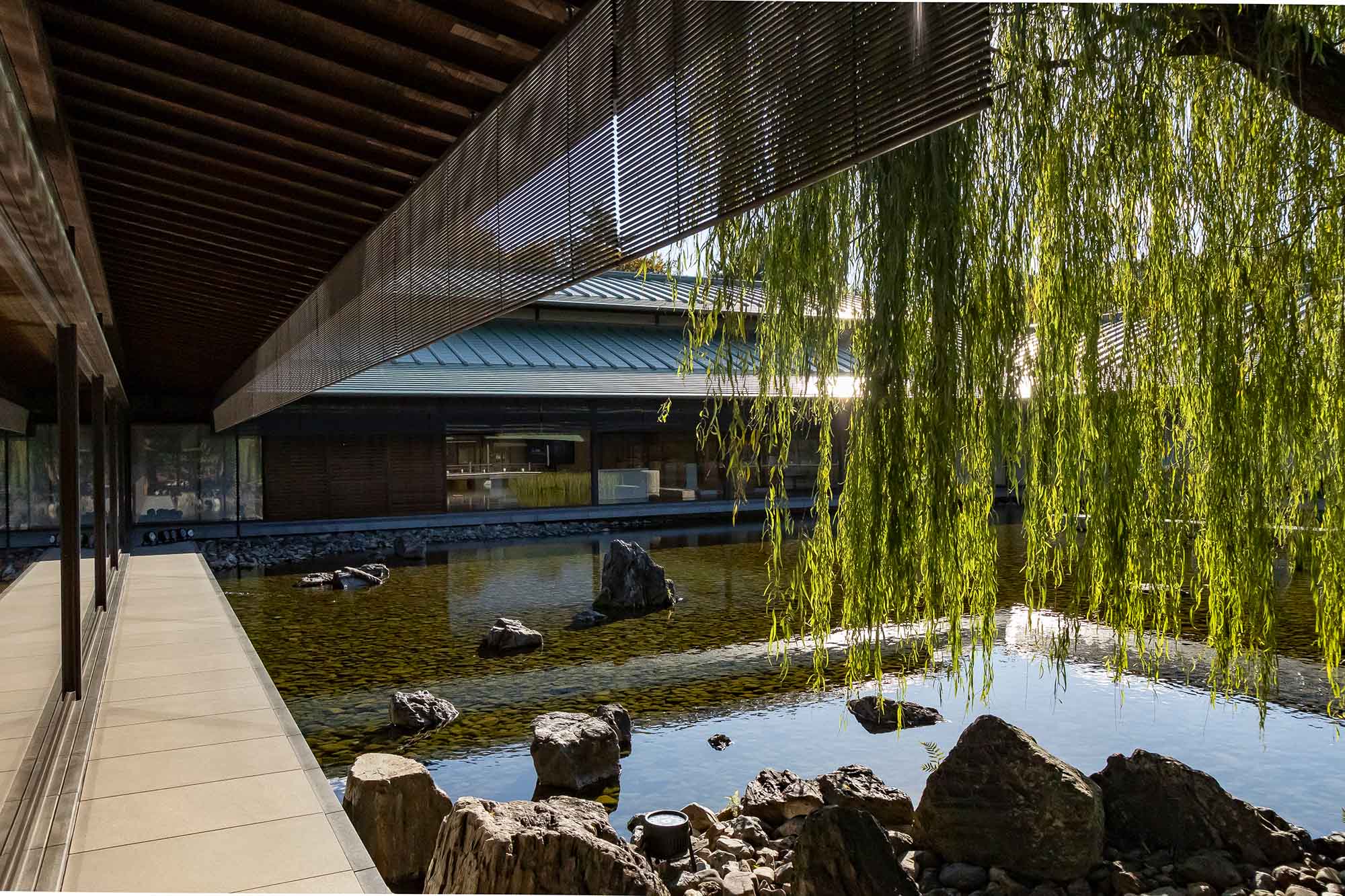
The Kyōto Geihinkan (Kyoto State Guest House) is where foreign dignitaries are hosted during their official visits. Photos courtesy of JAPAN SUI COLLECTION
The Seduction of Sui
Iki, pronounced 'Sui' when denoting excellence, is far more than mere elegance. In 'The Structure of Iki', philosopher Shūzō Kuki presented it as the supreme aesthetic refinement of Japanese culture. It is a quality that defies easy translation, though the French terms chic or raffiné come close. It relies on managing emotional tension whilst striking the right balance between spontaneity and artifice, allowing an object or person to project sprezzatura, that sense of effortless indifference born from deep knowledge. Iki is Japanese quiet luxury.
My participation, and that of other distinguished guests, was based on the gamble that to seduce foreign audiences, this intrinsically Japanese aesthetic must be experienced rather than explained.
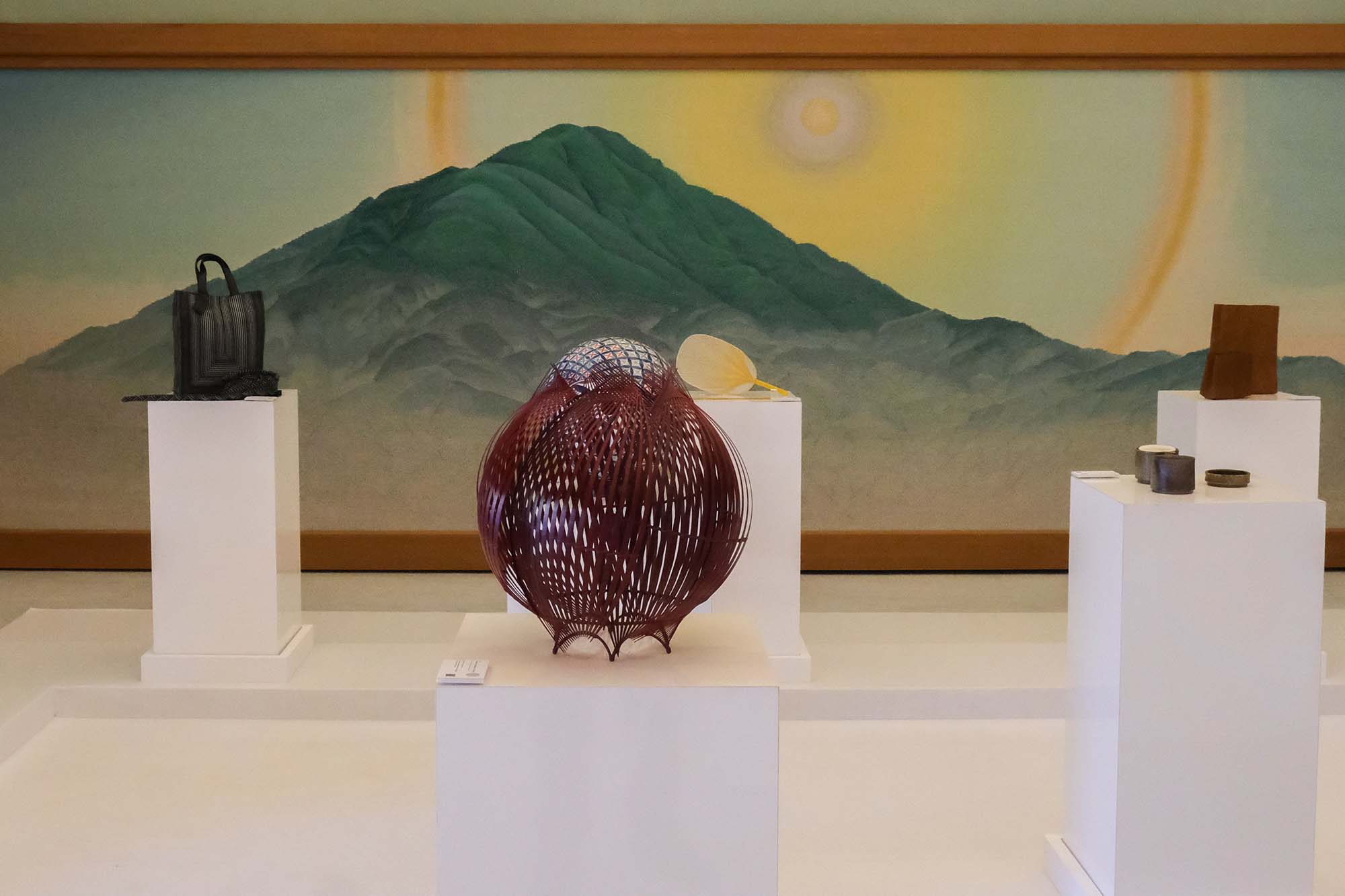
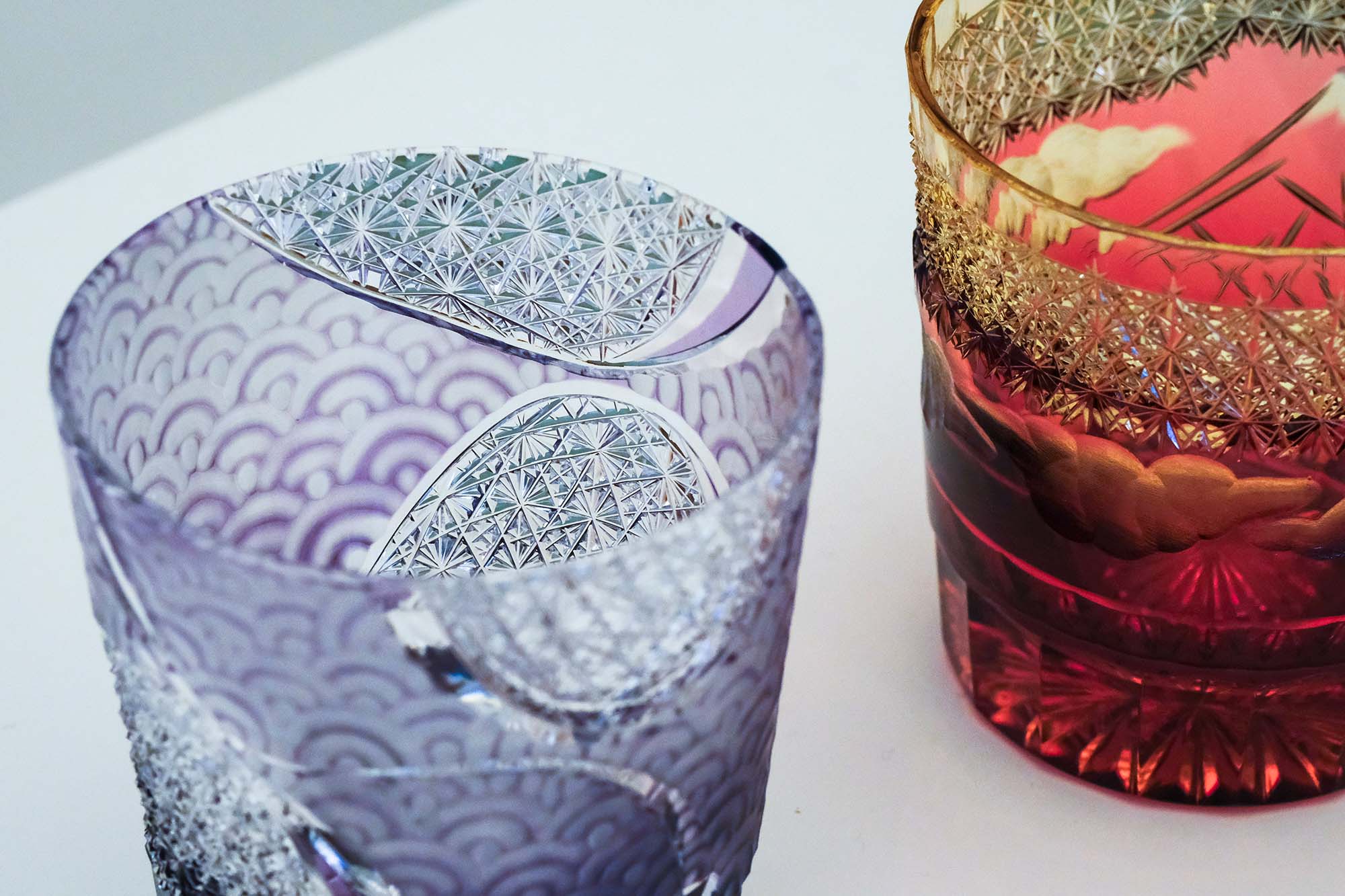
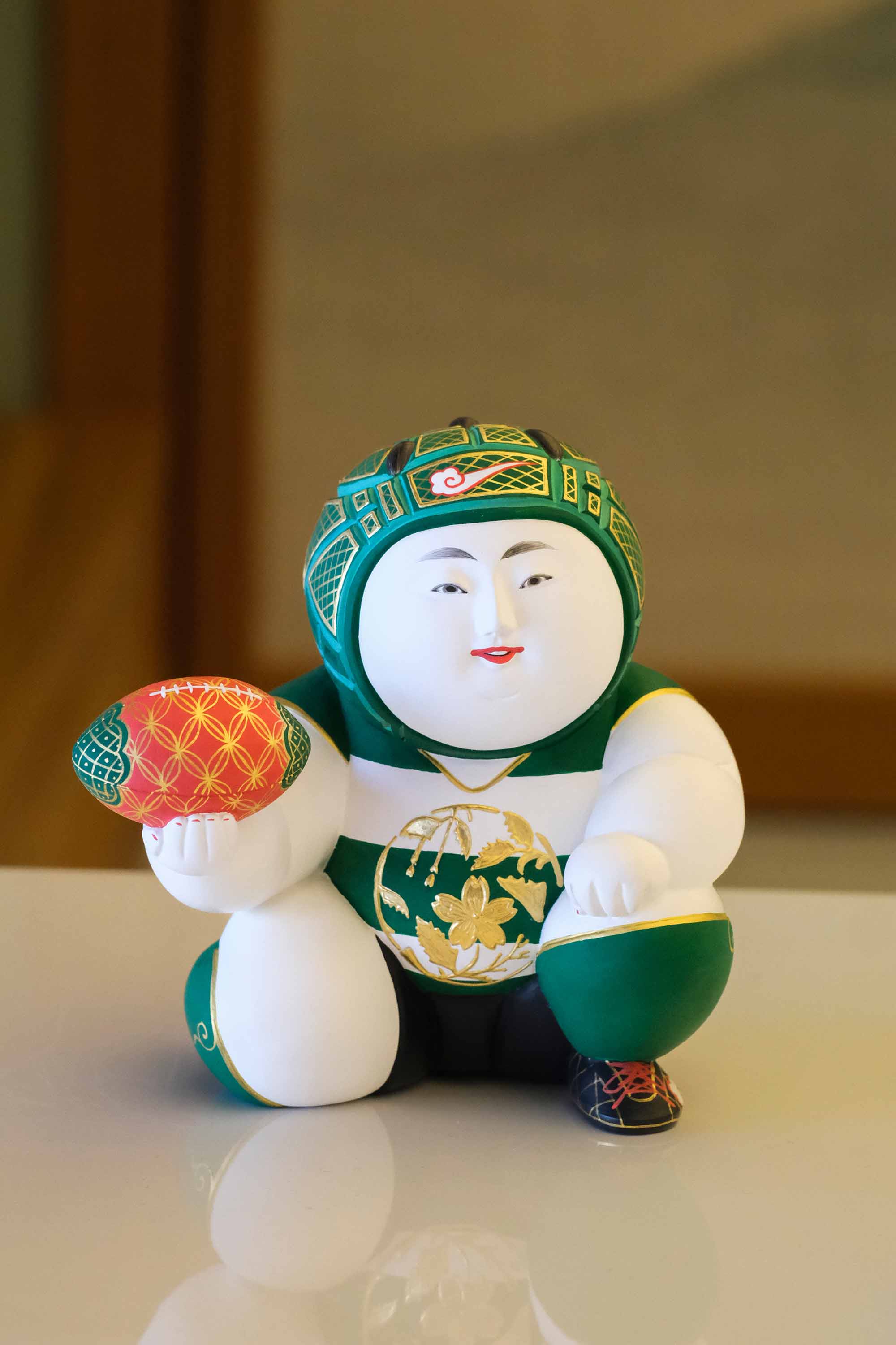
Photos by Gianfranco Chicco
Tradition is Fluid
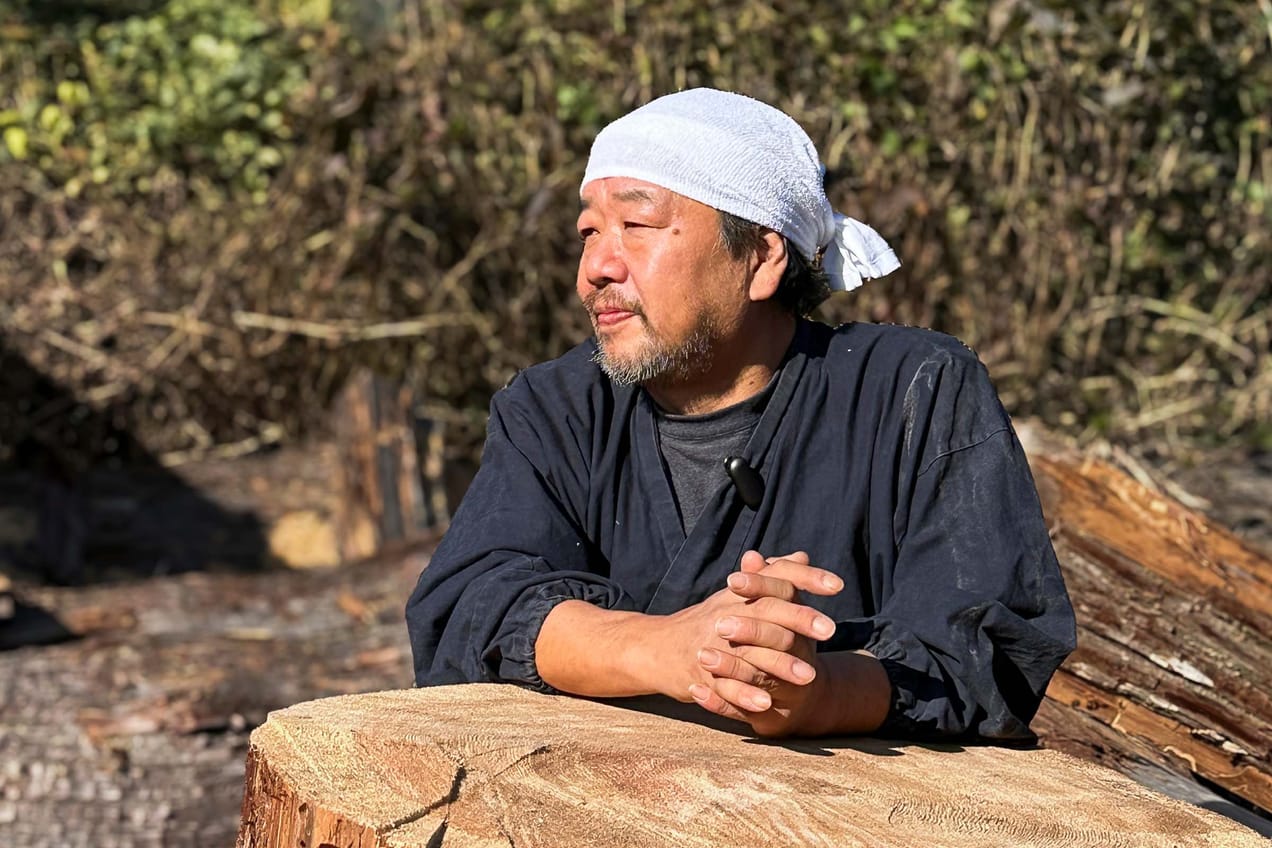
The SUI COLLECTION firmly rejects the notion that tradition is a static museum piece; instead, the guiding philosophy is that traditions are alive and always evolving. The selection process reflected this dynamism, involving curators and connoisseurs such as Fashion Designer JUNKO KOSHINO and Crafts Expert Toshiaki Kawamata.
Until the late nineteenth century, the Japanese language didn’t have separate words to differentiate between art and craft, which coexisted across a natural, elastic spectrum. This innate fluidity between pure traditional handmade craft (today known as kōgei) to design, and on to fine art is what Japan brings to markets obsessed with collectible art and design, from Art Basel to Downtown Design Dubai, Frieze London to the new Salone Raritas in Milan.
What delights us about Japan goes beyond technical mastery. It includes a sense of purpose and often playfulness rarely found elsewhere. Take for example the knowledge and skills of the makers of samurai swords. Although you’ll no longer see people walking through the streets of Kyoto with their daishō blades, a long katana and a shorter wakizashi, they haven’t disappeared but evolved into a new domain. Visit any high-end restaurant and amateur chef’s kitchen and you’ll find much cherished Japanese knives forged with the same techniques and attention to detail.
The SUI COLLECTION attempts to prove that many other kōgei are ready to trace a similar path, evolving from past glory into contemporary use and renewed admiration.
Objects of Grace
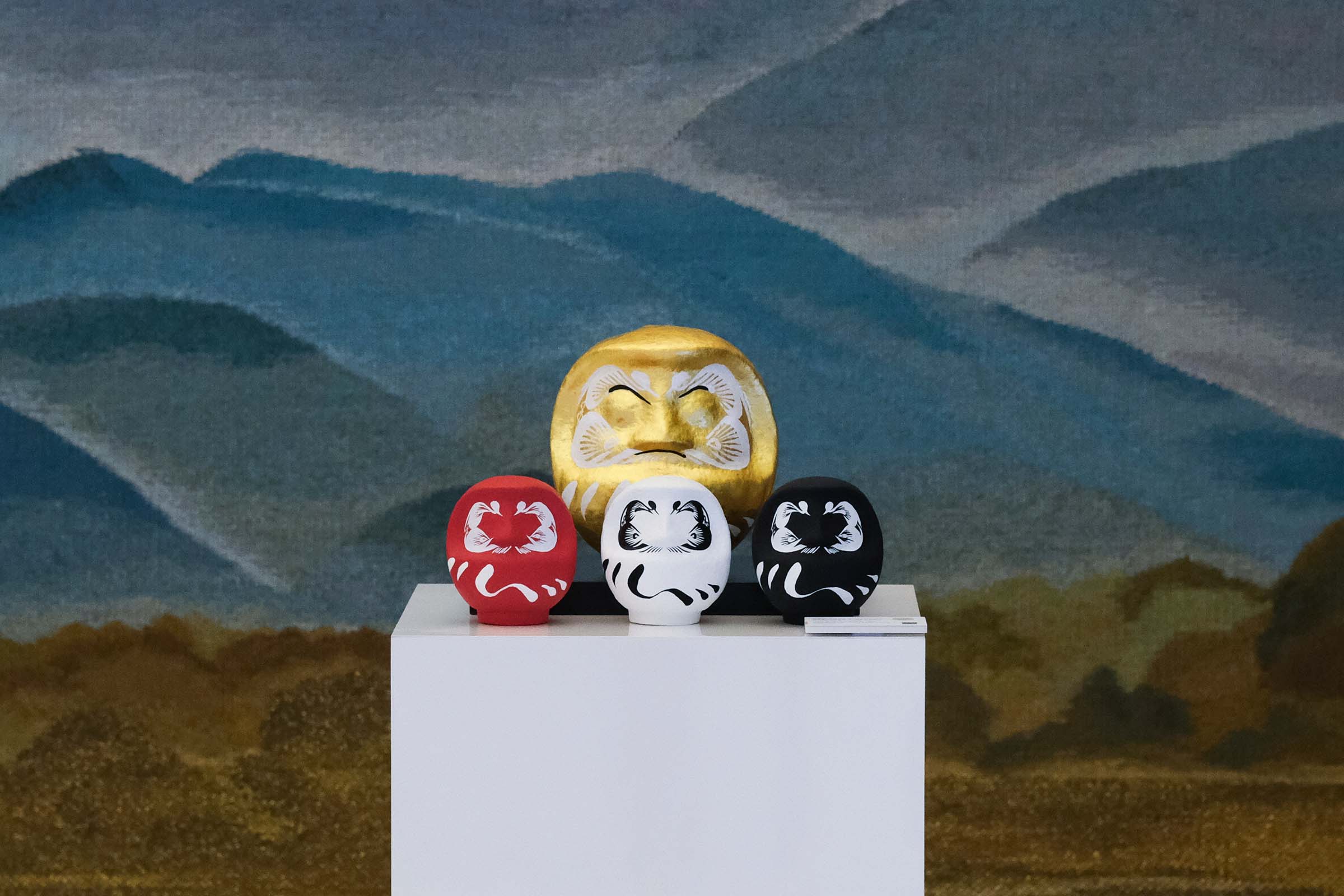
The exhibition was divided into three rooms. The Juraku-no-Ma (“Room of Peace of Mind and Joy”) hosted seven objects that displayed the preservation of culture and artistic craftsmanship.
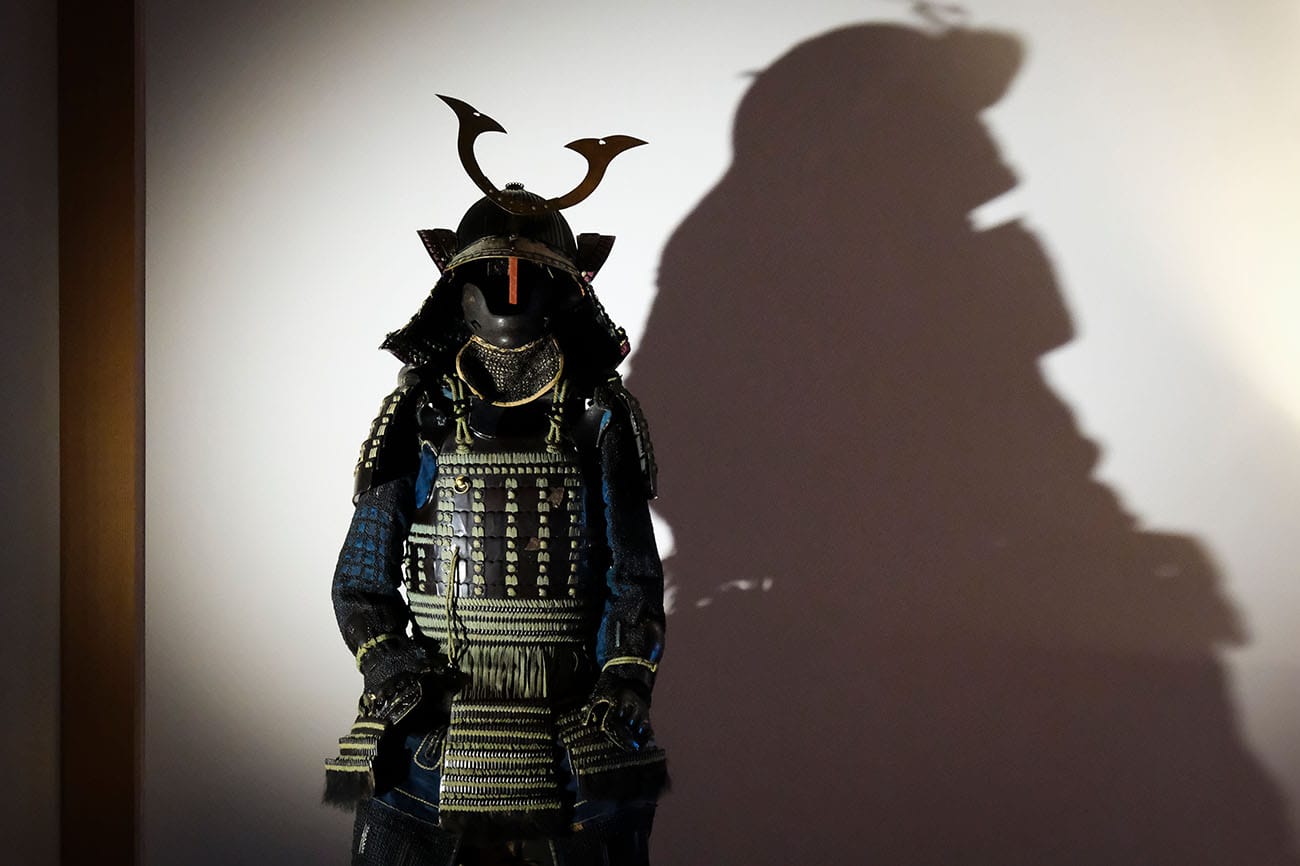
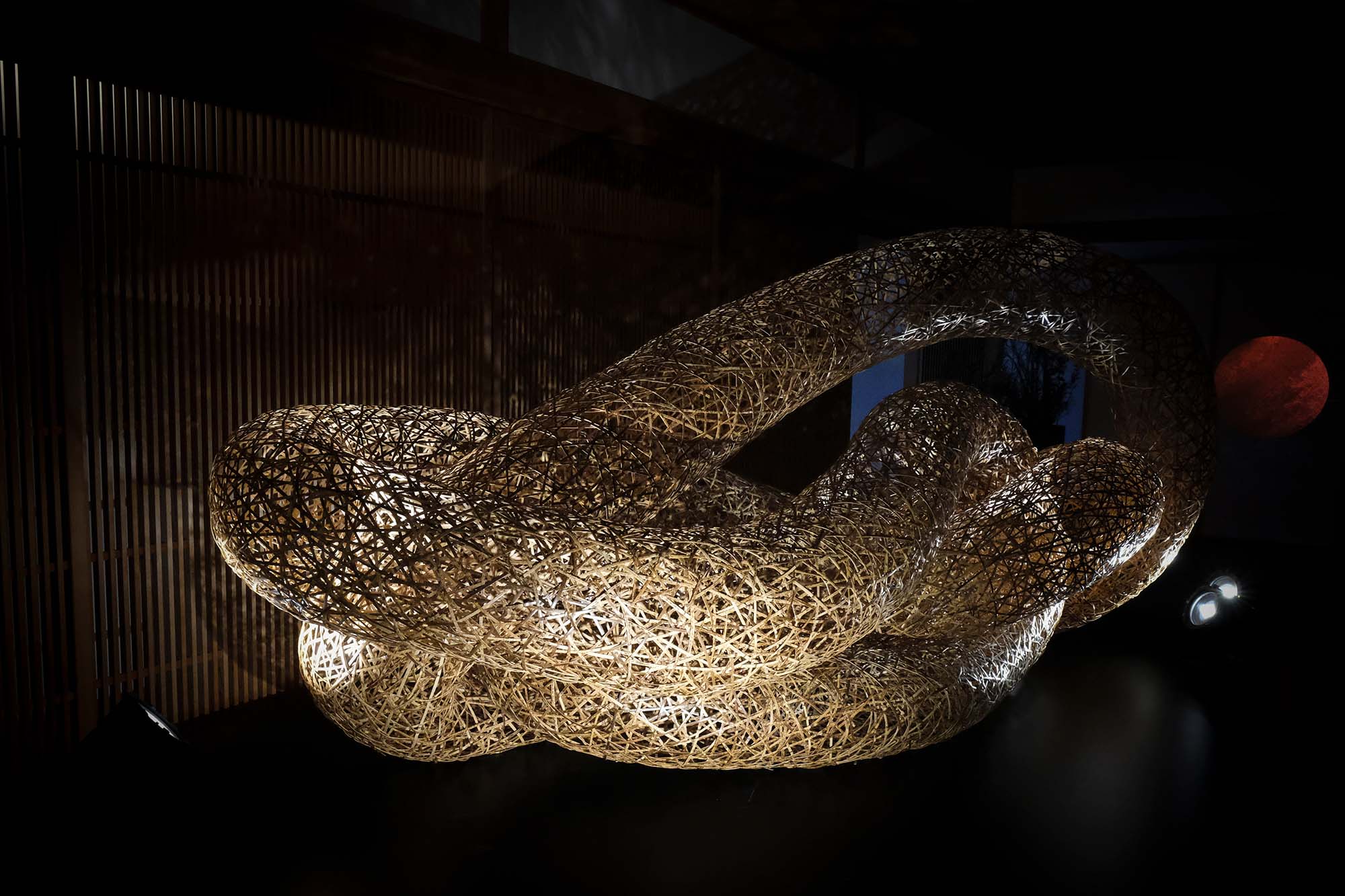
Traditional samurai armour and 'Tiger Bamboo' installation by Tanabe Chikuunsai IV. Photos by Gianfranco Chicco
The Yubae-no-Ma ("Room of the Sunset") featured five regional treasures from public submissions and 36 master selections curated by Toshiaki Kawamata. They were rooted in traditional techniques and regional materials, reinterpreting traditional crafts with designs for a modern lifestyle.
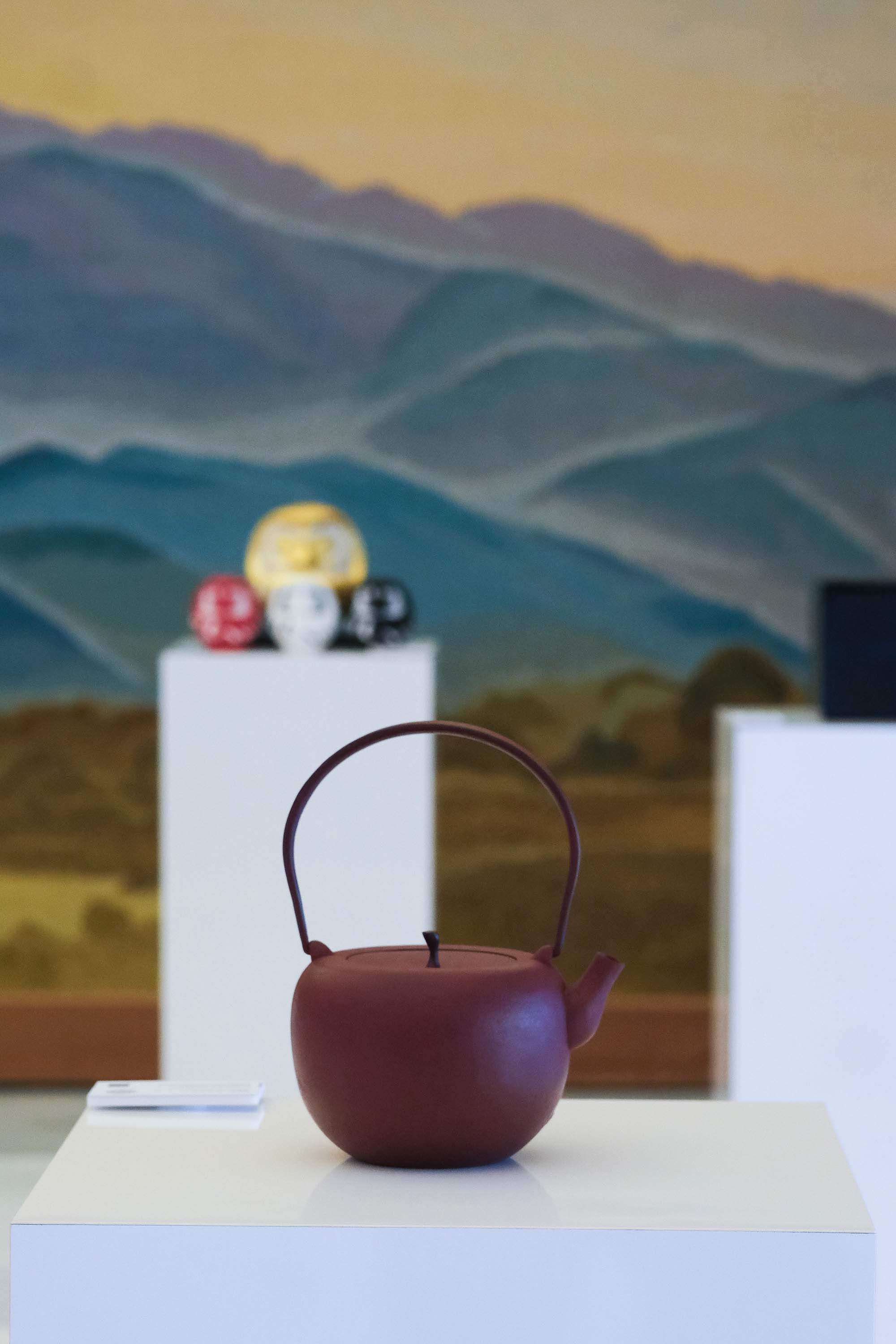
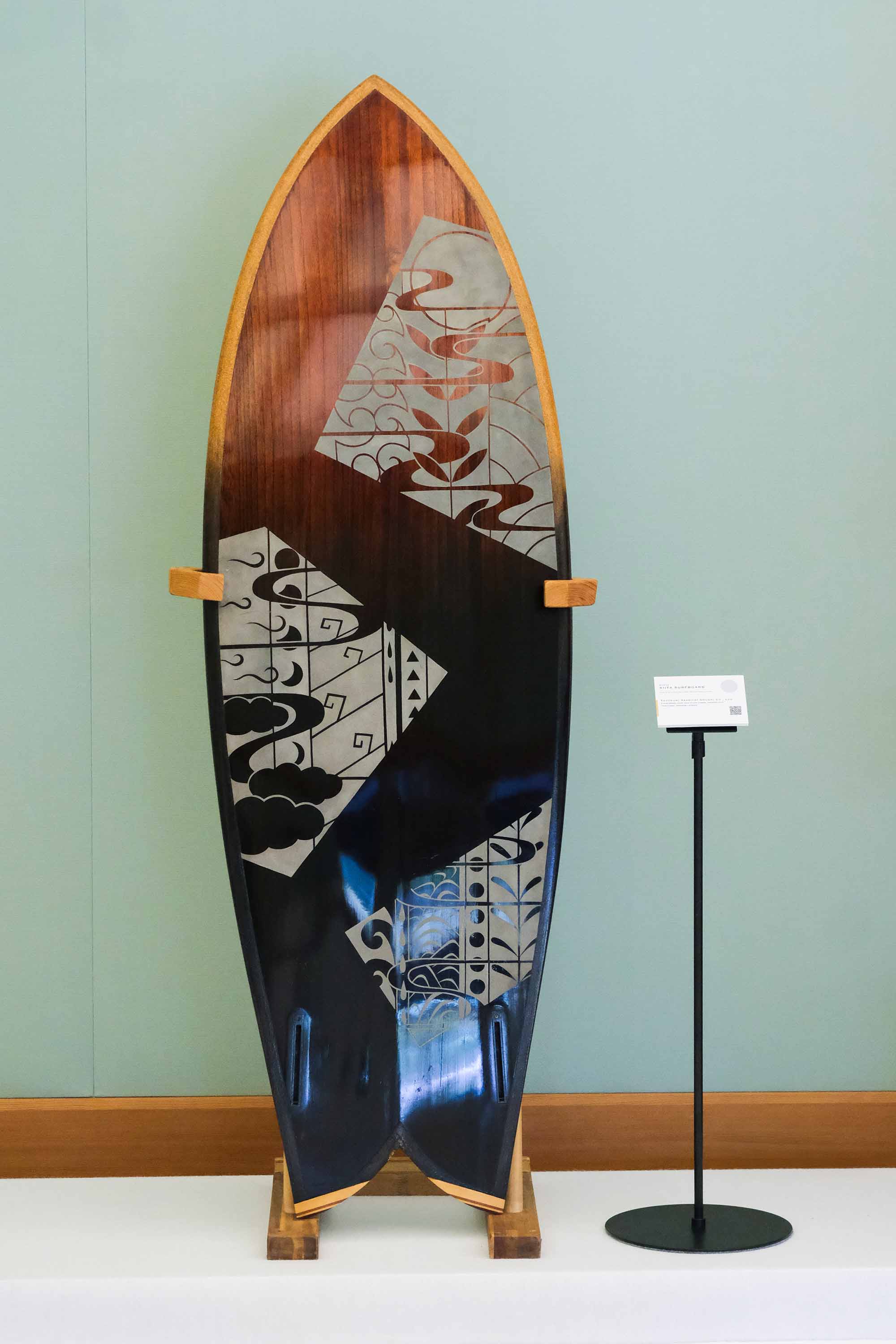
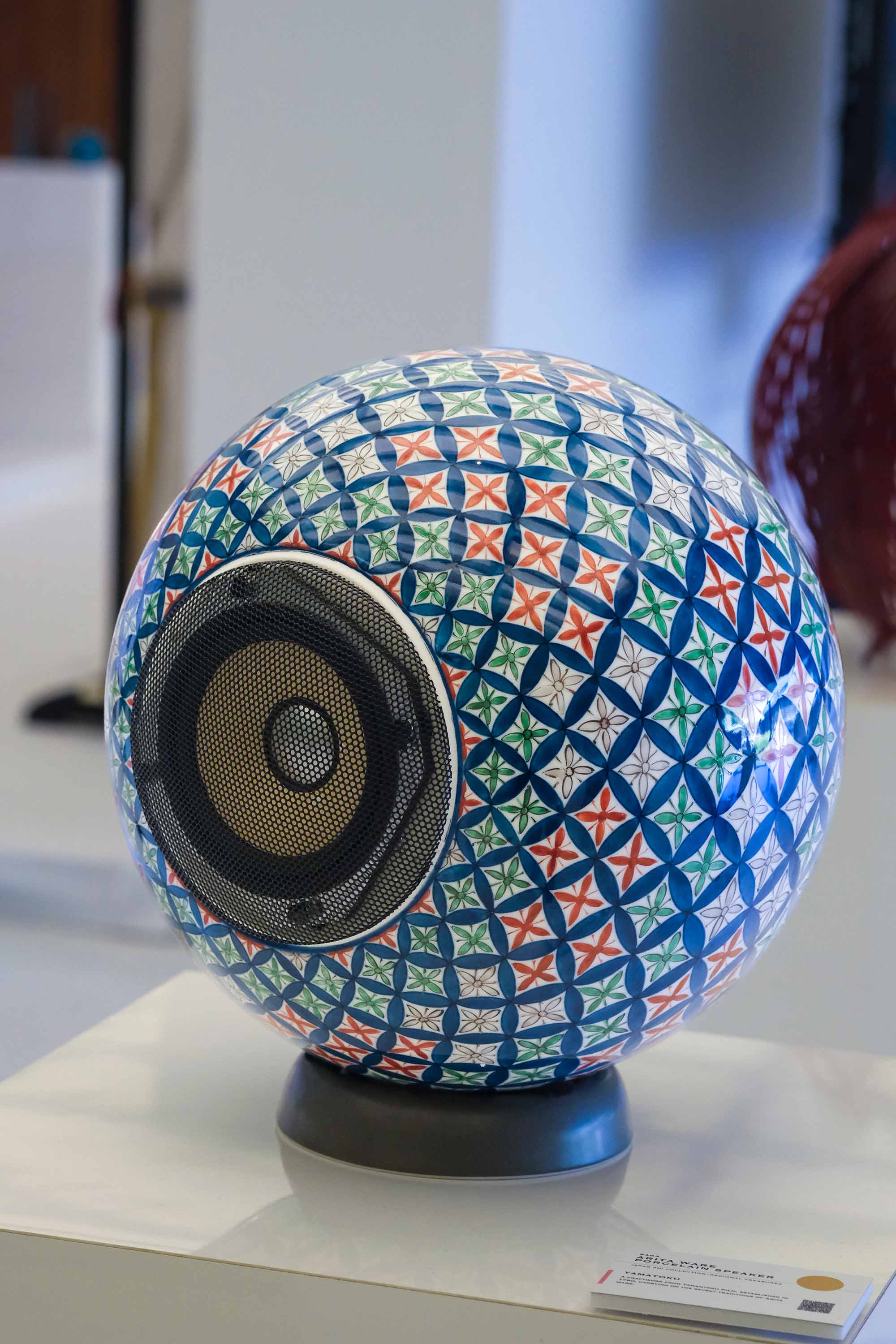
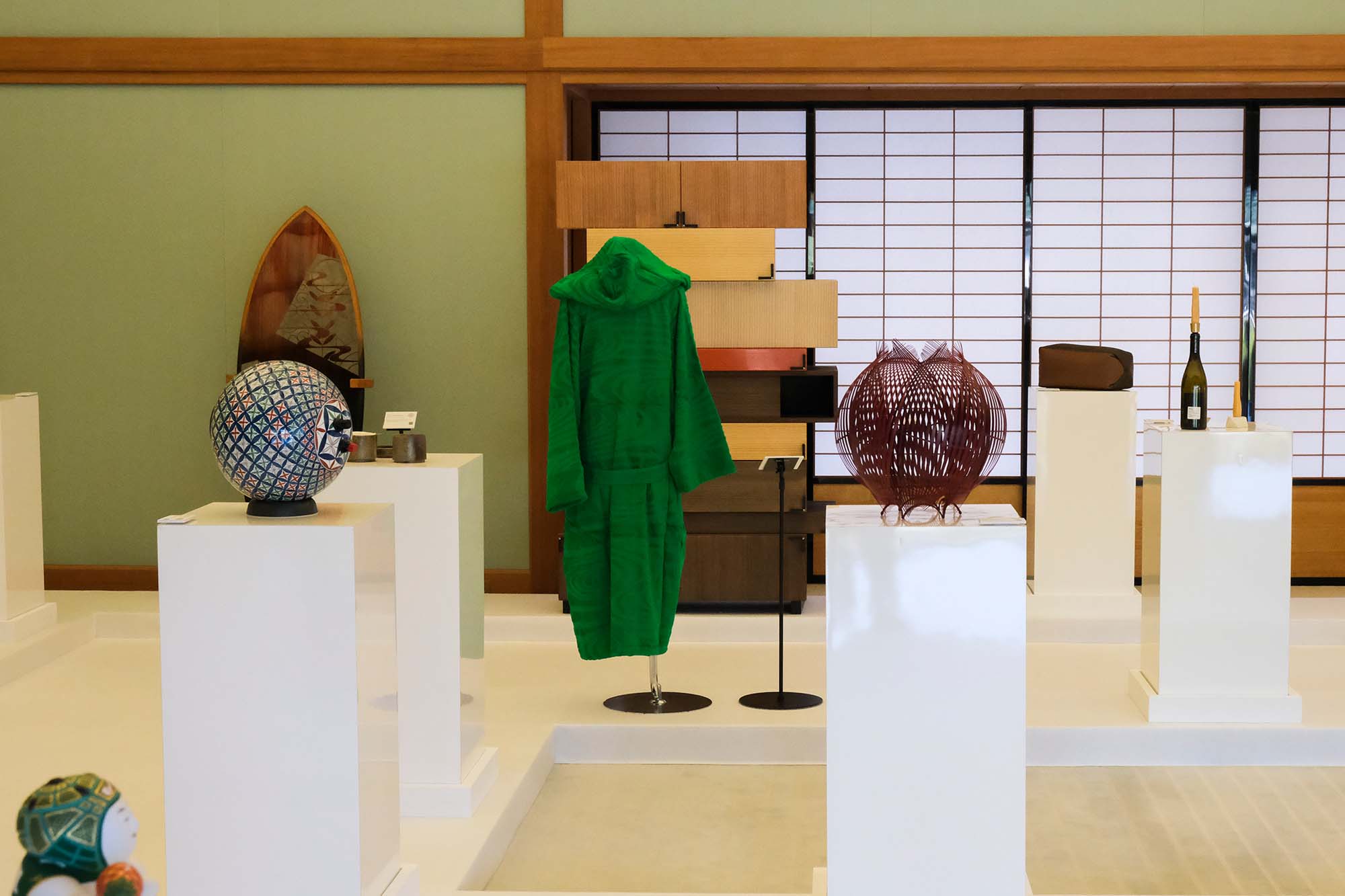
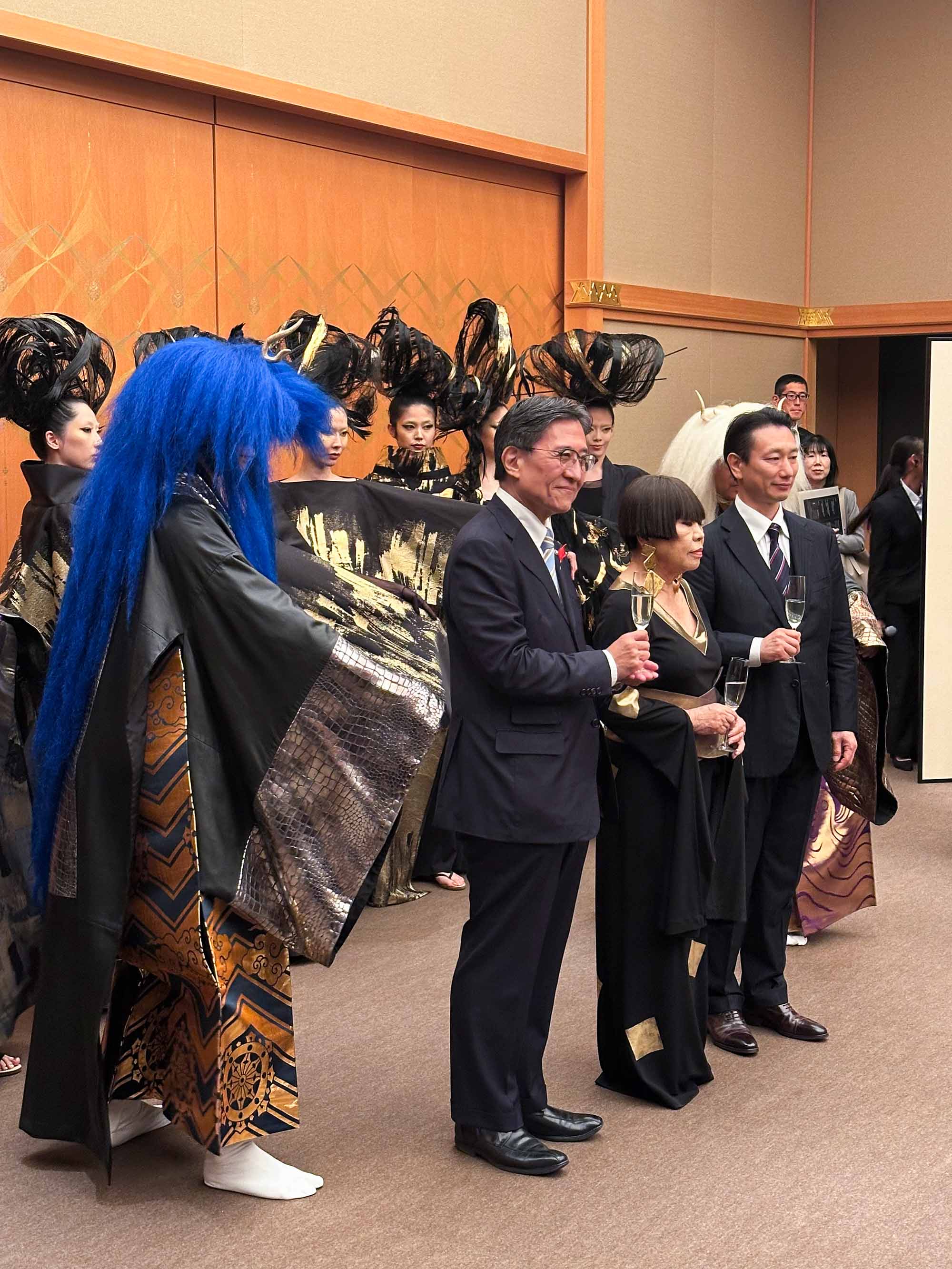
In the corridor between rooms, JUNKO KOSHINO staged a fashion catwalk with models wearing dark robes with golden accents that, under washi-covered lights and accompanied by Noh musicians, evoked Jun'ichirō Tanizaki's aesthetic of subtlety.
Fashion show by JUNKO KOSHINO with Noh musicians. Video by Gianfranco Chicco
Finally, the Fuji-no-Ma ("Room of Wisteria") is where the Mayor of Kyoto, Kōji Matsui welcomed us, Kyōgen comic theatre was performed, Chef Hiroshi Nagashima served a seasonal menu, drinks were poured, and tea utensils were displayed and used for tea offerings by masters from the Mushakoji-senke.
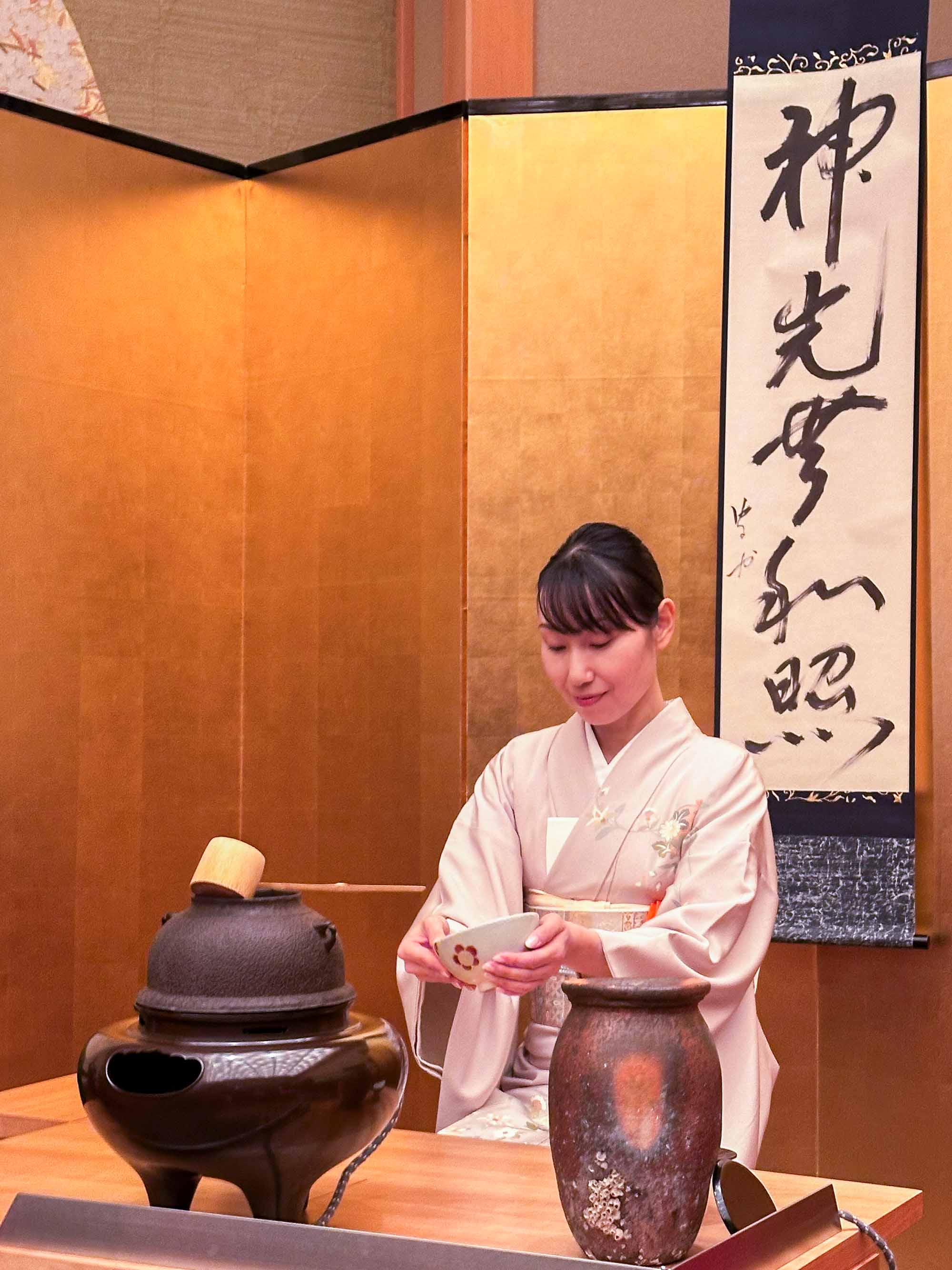
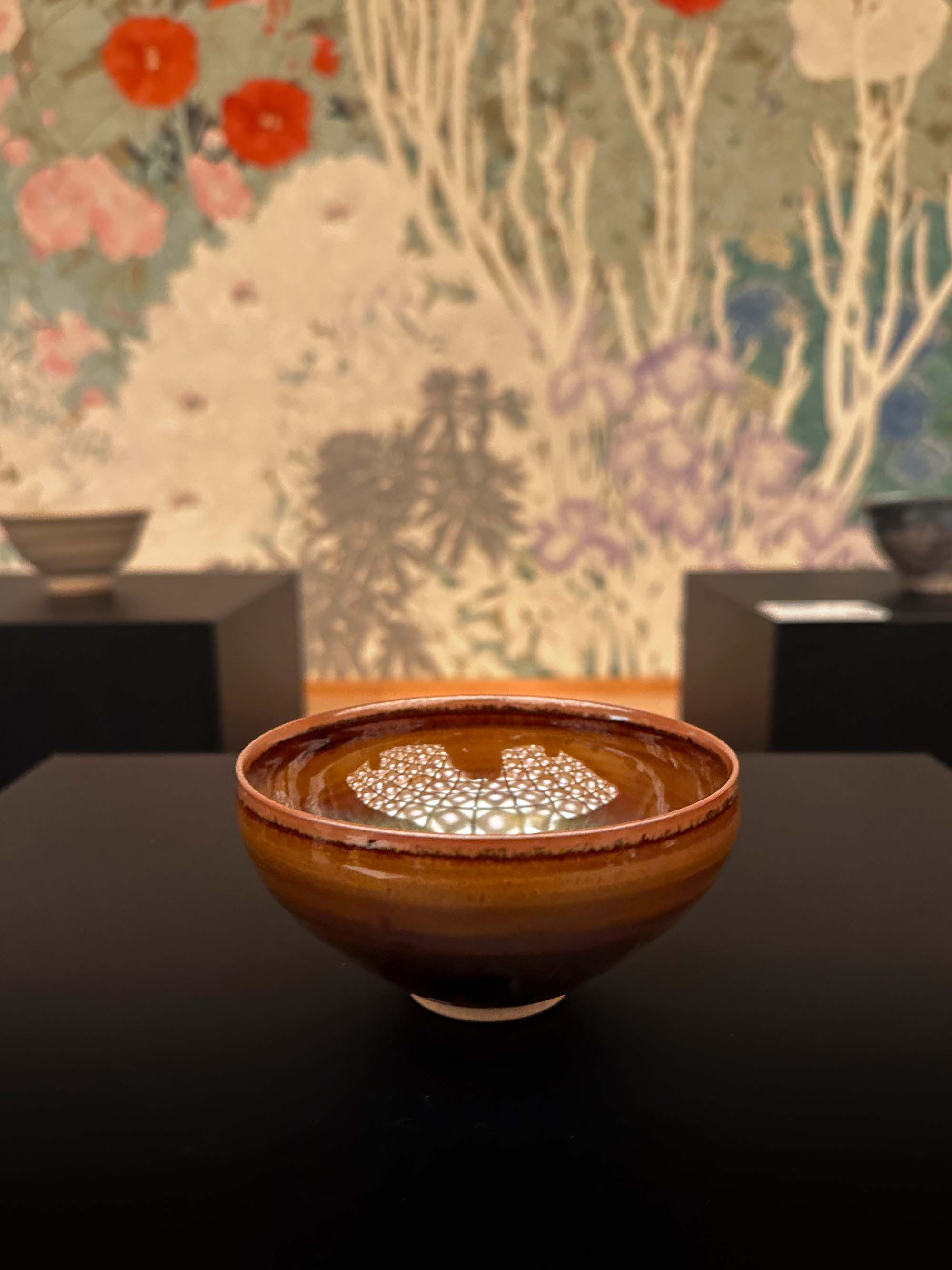
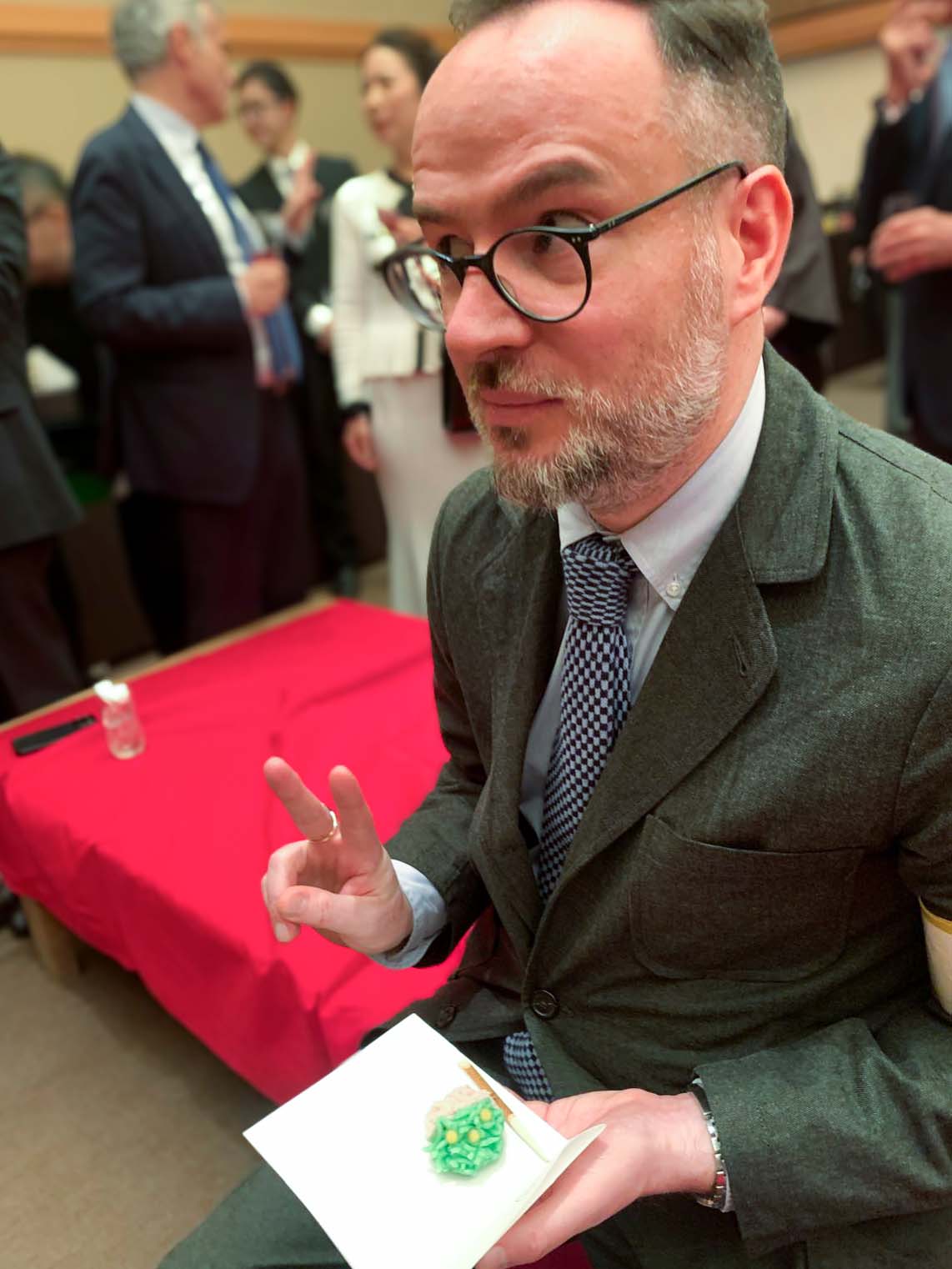
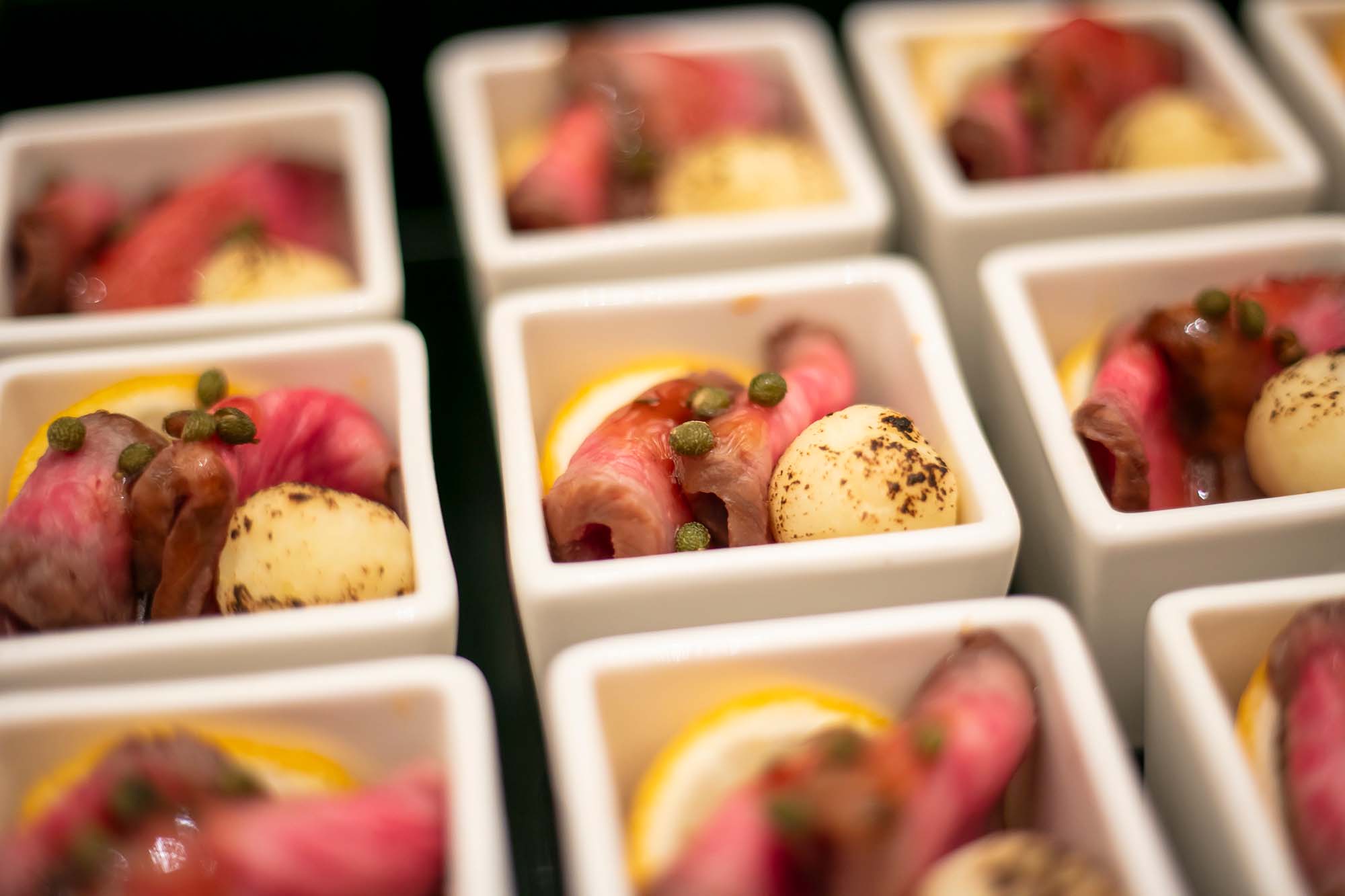
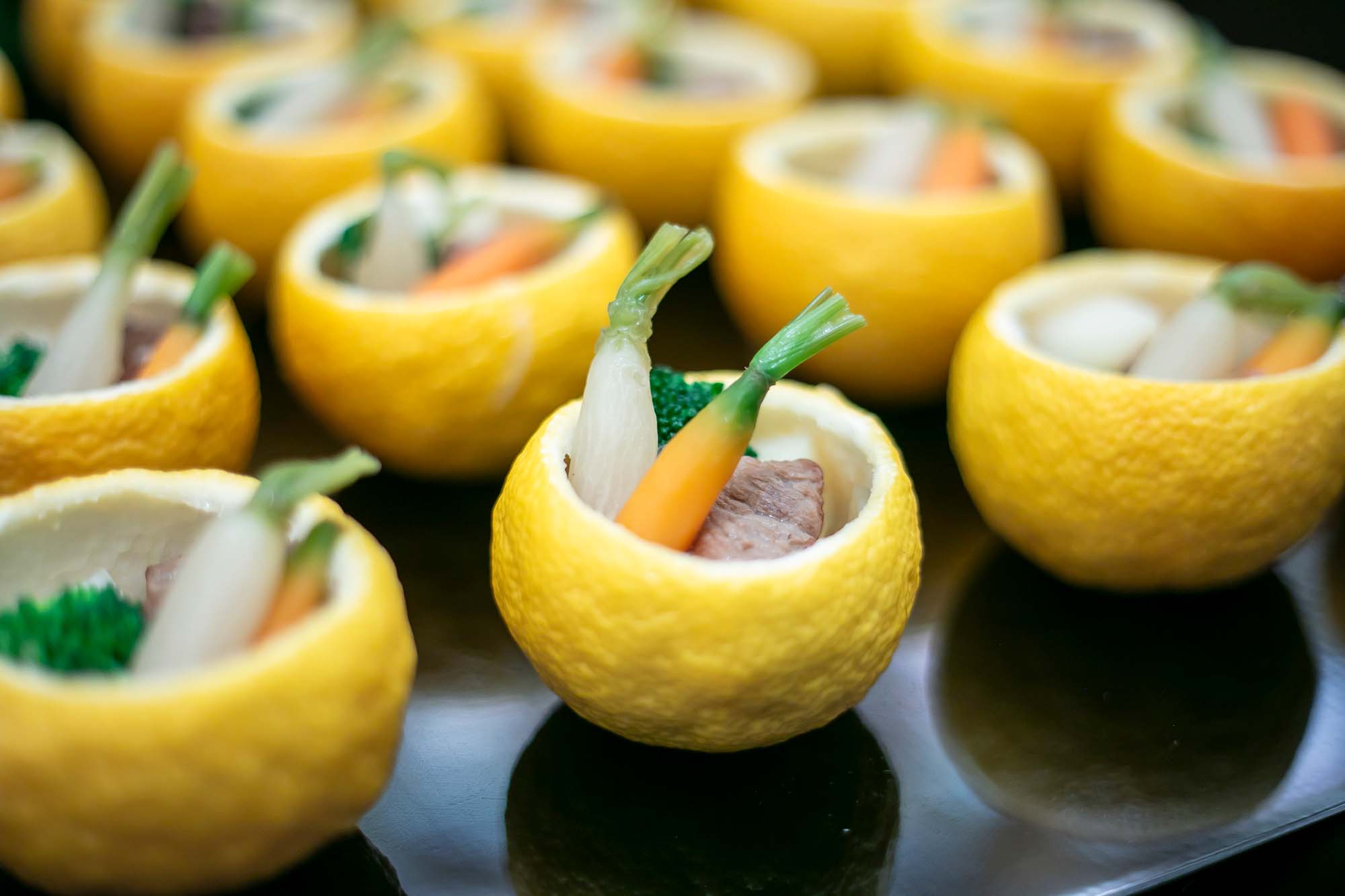
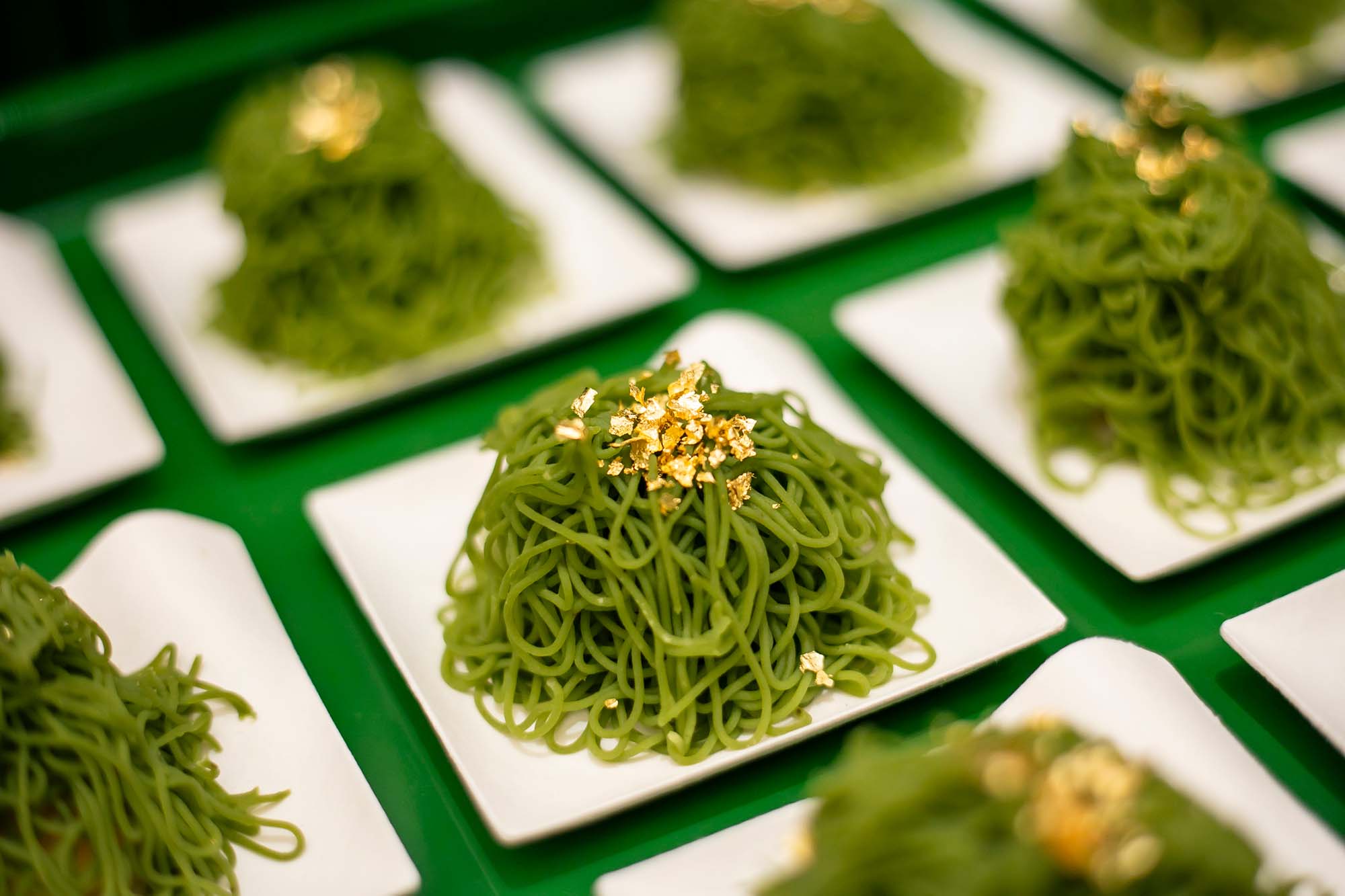
Moments during the reception, with the Mayor of Kyoto, Kōji Matsui, Fashion Designer JUNKO KOSHINO, tea masters and creative dishes by Chef Hiroshi Nagashima. Photos of the food courtesy of JAPAN SUI COLLECTION, photo of Gianfranco Chicco by Tomo Yoshizawa, all other photos by Gianfranco Chicco.
A Tide that Raises All Boats
The SUI COLLECTION arrives at a pivotal moment. Japan's global cultural capital has never been higher, creating an opening to move audiences beyond familiar exports towards the country's deeper offerings. Even as a frequent visitor, I'm constantly surprised by the breadth of arts, crafts, and food waiting to be discovered across 47 prefectures and four seasons.
The artisans themselves must continue seeking international collaborations whilst staying true to their mastery. But government officials should resist picking winners. Instead, their role is to create favourable conditions: bringing together connoisseurs as guides, lowering barriers to market entry, and making it easier for small producers to participate in exhibitions and trade shows. The question isn't which crafts will succeed abroad, but how many can be given the chance to find out.
The SUI COLLECTION's real potential lies not in defining Japan's next export champions, but in inviting the world to discover the constantly evolving aesthetic of Iki for themselves.
*Ever grateful to Erik Augustin Palm for telling me about this initiative.
Like the content of The Craftsman? Share it with a friend! You can support my work by offering me a virtual coffee ☕️
つづく