
A Date at the Foundry

I recently found my notes from an autumn 2023 visit to the Nousaku factory in Takaoka, on Japan's west coast, about two hours from Tokyo by shinkansen. Seeing their products in London shops brought the trip back.
The Nousaku brand was coined in 2002 but the company had been making metal-cast products since 1916 in a town with a 400-year copperware history, especially for Buddhist temples and the tea ceremony.
Katsuji Nousaku, the fourth-generation head of the company, is a former photojournalist who joined the family by marriage and worked in the workshop for two decades before rising to the top. He was the first to realise that the company could no longer rely on subcontracting and decided to invest in direct relationships with customers.
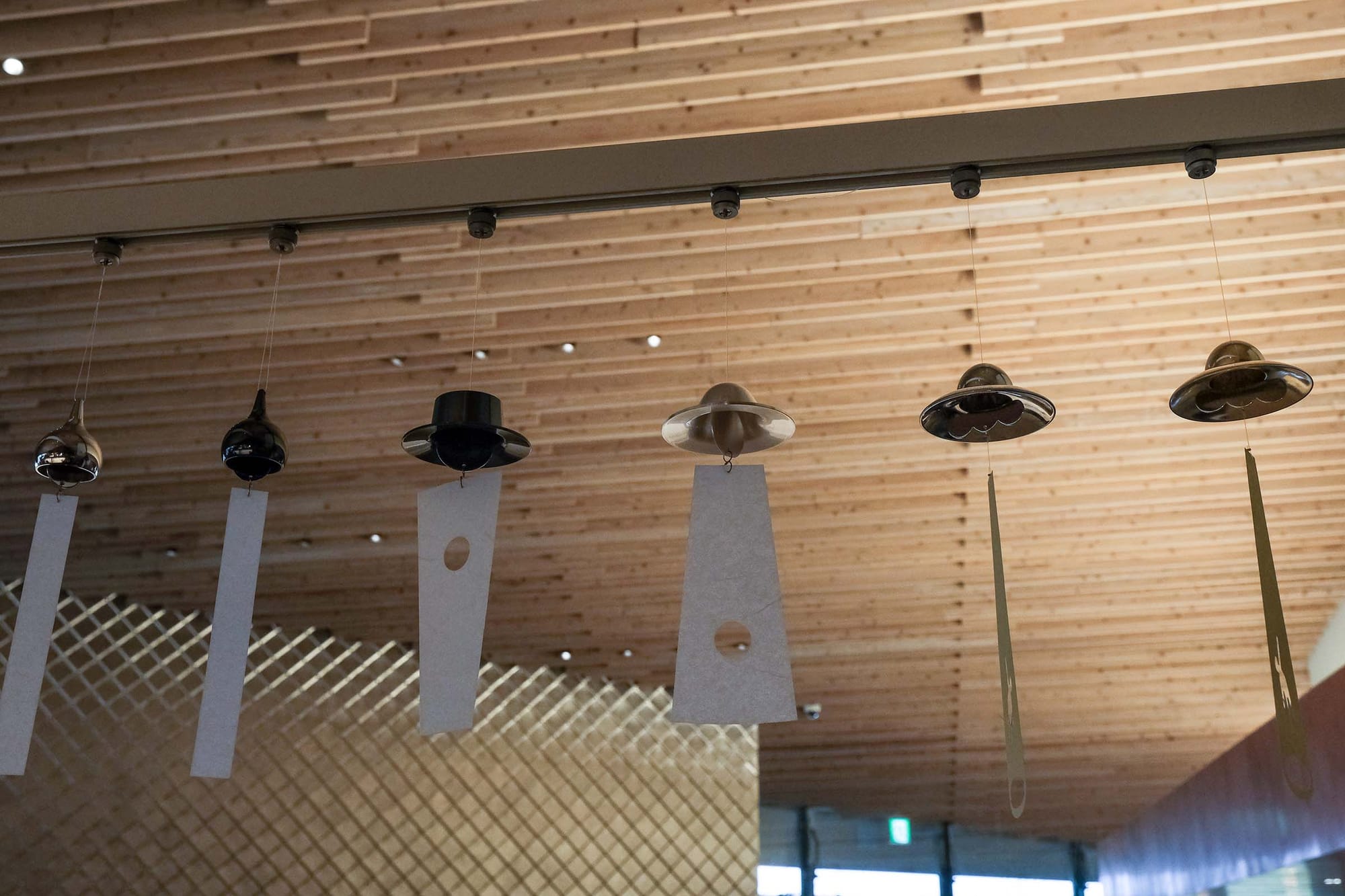
The value of building your own brand of everyday homeware seems obvious now, but it wasn't then, especially since many craftspeople see their job as making fine objects, not stories that connect them to buyers. Today, their own original products represent 80 per cent of sales. Their first hit was a brass wind chime derived from their expertise making temple bells.
What I like about the Nousaku story is that their success and international recognition was sustained by a good dose of lateral thinking.
From Material Weakness to Brand Signature
Tin is commonly mixed with other metals to create alloys like bronze and pewter. One hundred per cent pure tin is expensive. It's also unusually malleable: you can reshape an object with your fingers. This property, often seen as a weakness, gave the company its second hit, a flexible mesh basket that packs flat and can be shaped by hand.
Pure tin is also antibacterial, odourless, resistant to corrosion, has high thermal conductivity and doesn’t tarnish like silver. These properties led to another popular Nousaku product, sake cups, which allegedly enhance the drink’s flavour.
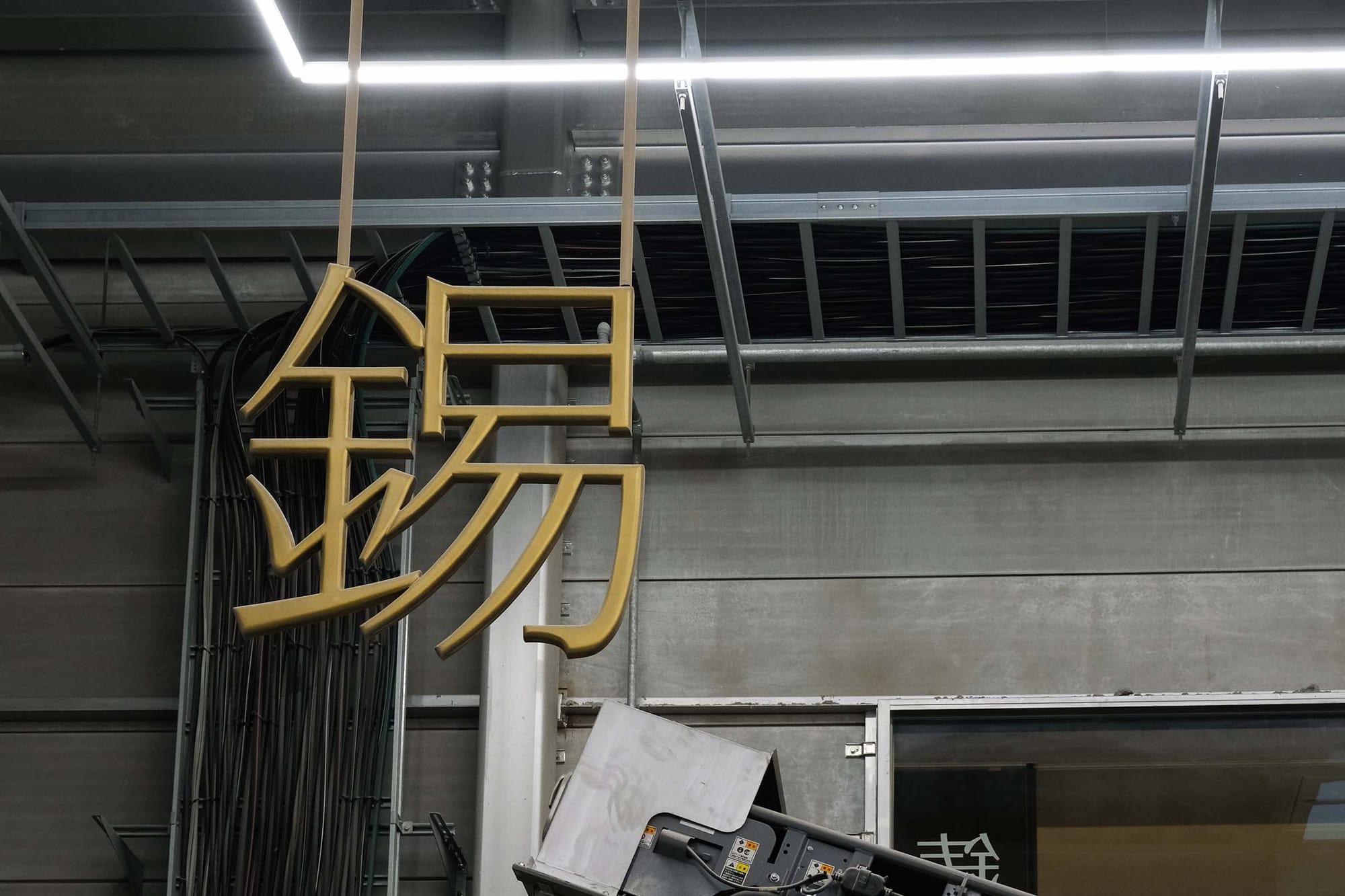
Turning the Factory into a Visitor Attraction
The current Nousaku factory and office was built in 2017 following the concept of ‘industrial tourism’, a space that lets visitors feel the company’s craftsmanship with all five senses.
Visitors are welcomed by an installation made of thousands of old casting moulds. They can join tours of the foundry’s facilities and see Nousaku’s craftspeople bringing objects to life. There’s also a workshop space to make your own pure-tin objects, and a cafe to have food and refreshments served in Nousaku’s products. At the shop you can browse the collections and factory-only exclusives.
When I visited in 2023, the annual number of visitors was 100,000 and I hear it has gone up since then. Would you rather have 100,000 virtual followers on Instagram or that many real people coming to you every year? Takaoka is not a big, central city like Tokyo or Osaka, so those who make the trek are motivated to indulge in what you have to offer.
(Blame it on my engineering background, I realise I photographed almost exclusively the manufacturing areas).
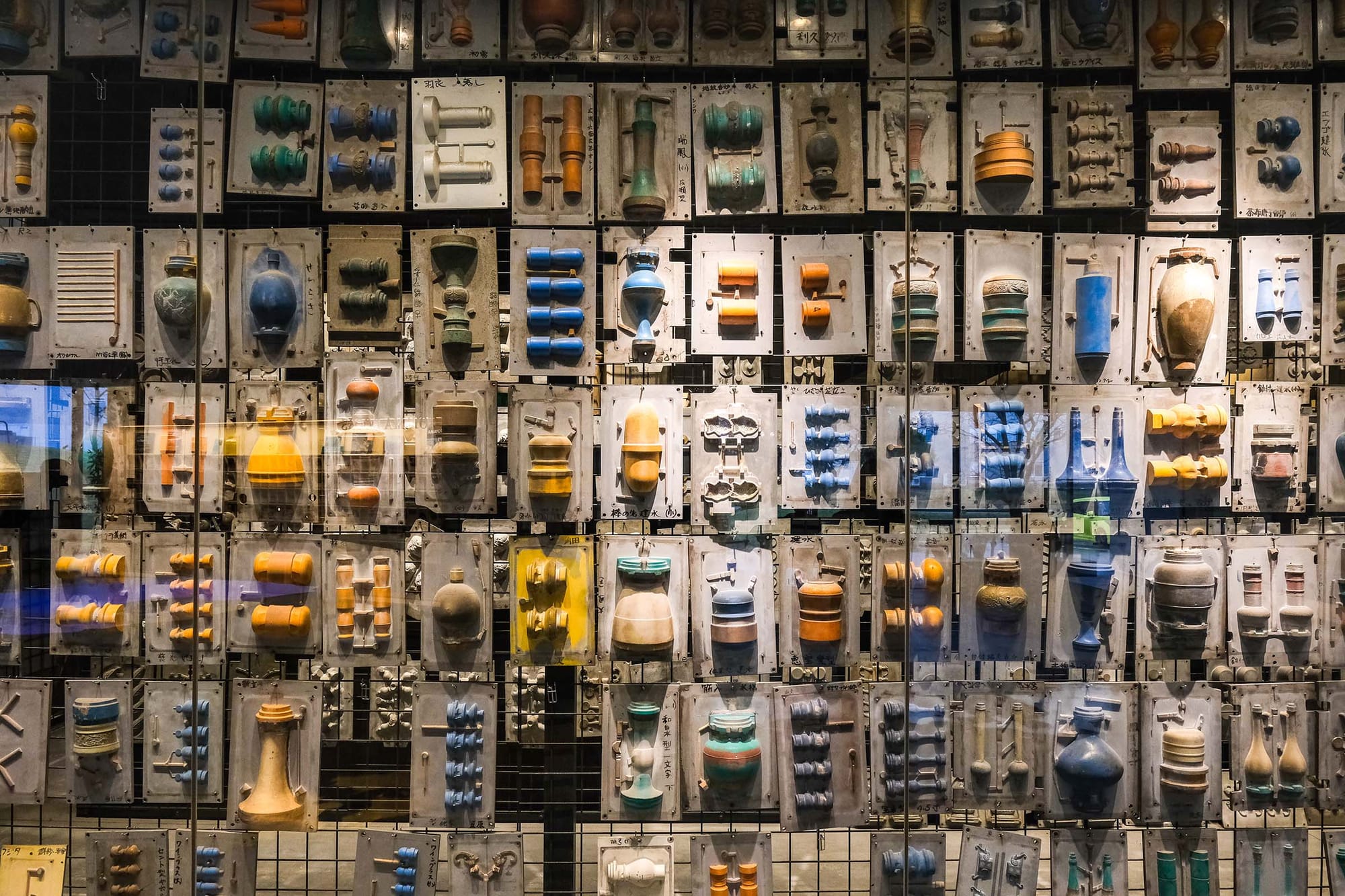
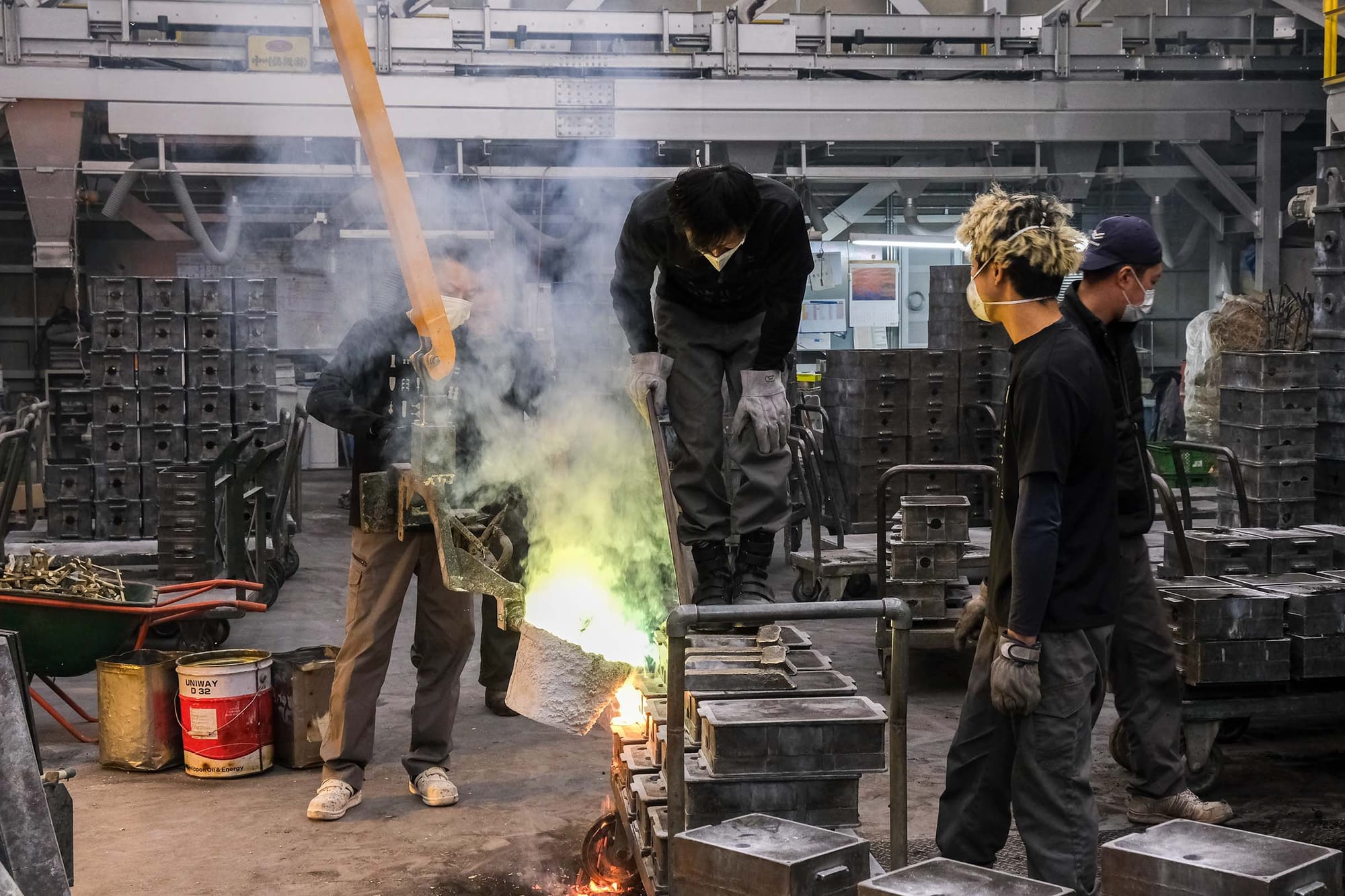
Installation of historic casting moulds and craftspeople at work. Photo by Gianfranco Chicco
New Rituals for Old Products
Another example of the company’s lateral thinking was when the fifth-generation and current president, Chiharu Nousaku, created a ‘Tin Wedding Anniversary’ ritual to celebrate 10 years of marriage (for reference, the silver wedding anniversary is at 25 years and the gold one at 50).
Spouses visit the workshop to make pure-tin objects together and, as they told me, ‘give thanks to each other in a ceremony’. This shared experience creates a memory that’s forever attached to Nousaku.
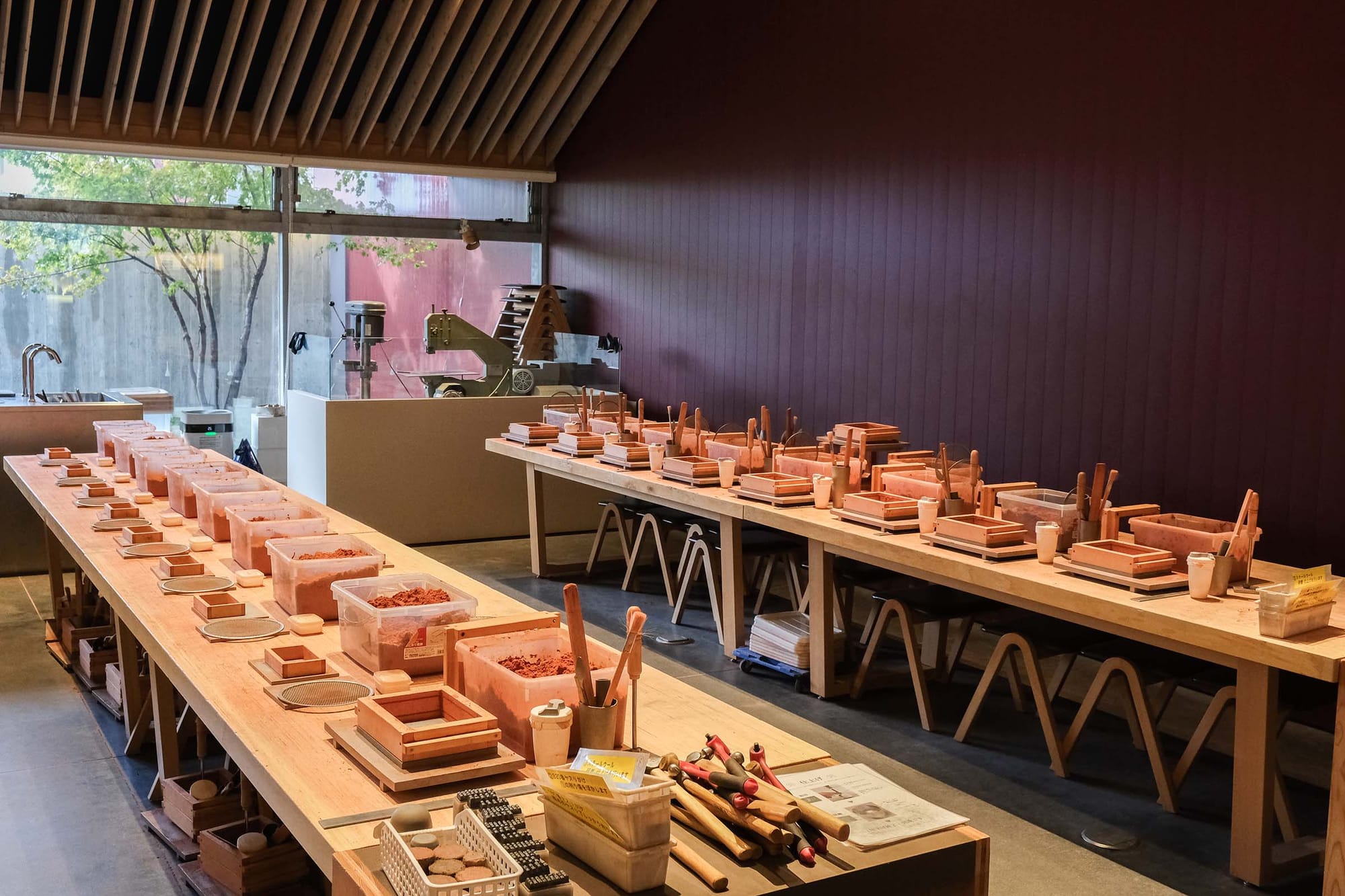
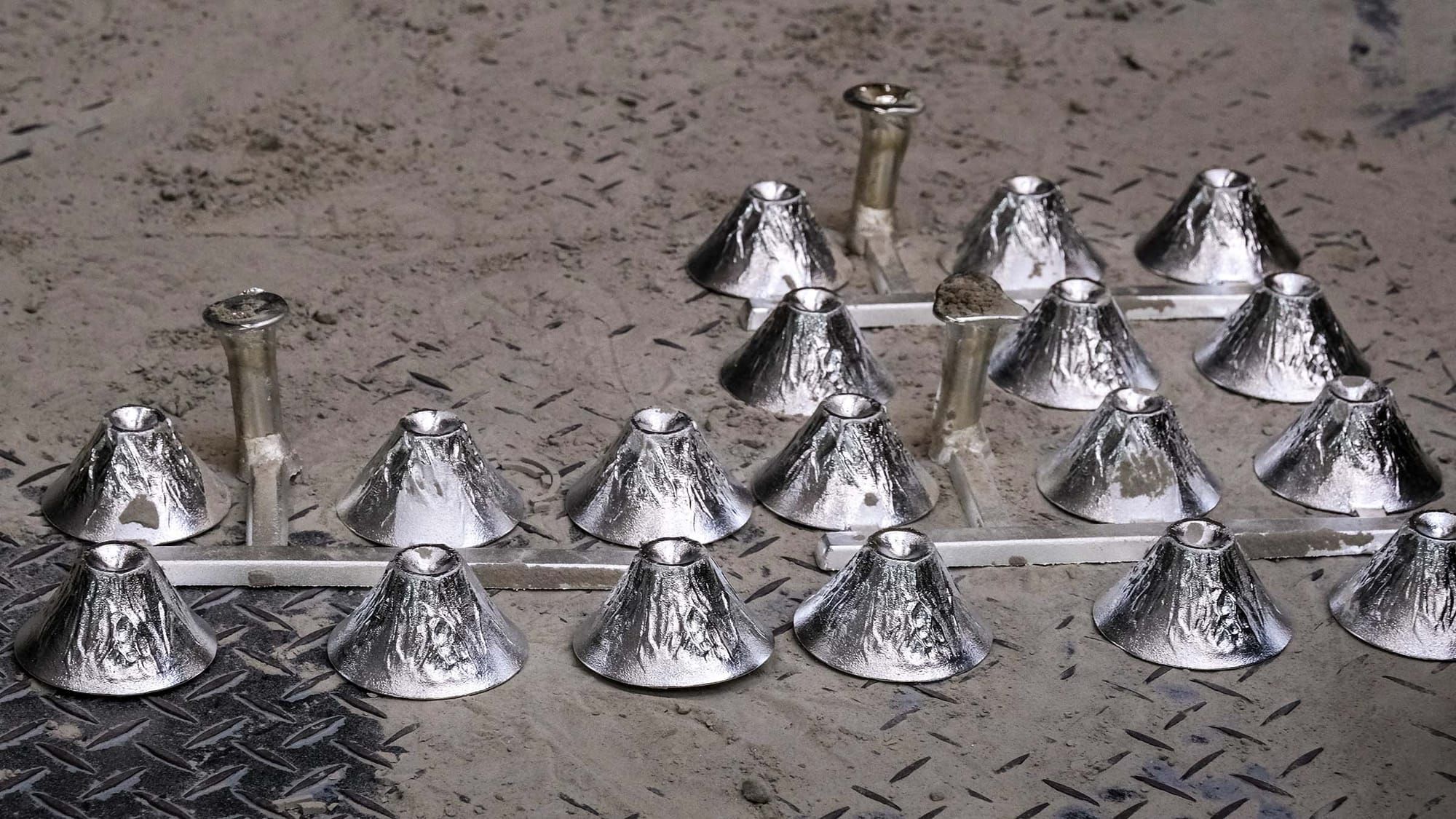
Nousaku lets you feel what they do, not just see it. One last random note from my notebook: tin takes just a few minutes to solidify when poured into the sand-cast moulds from its molten state. Bronze takes approximately 20 minutes but the craftspeople at Nousaku leave it for longer when making bells because they’ve found that they sound better.
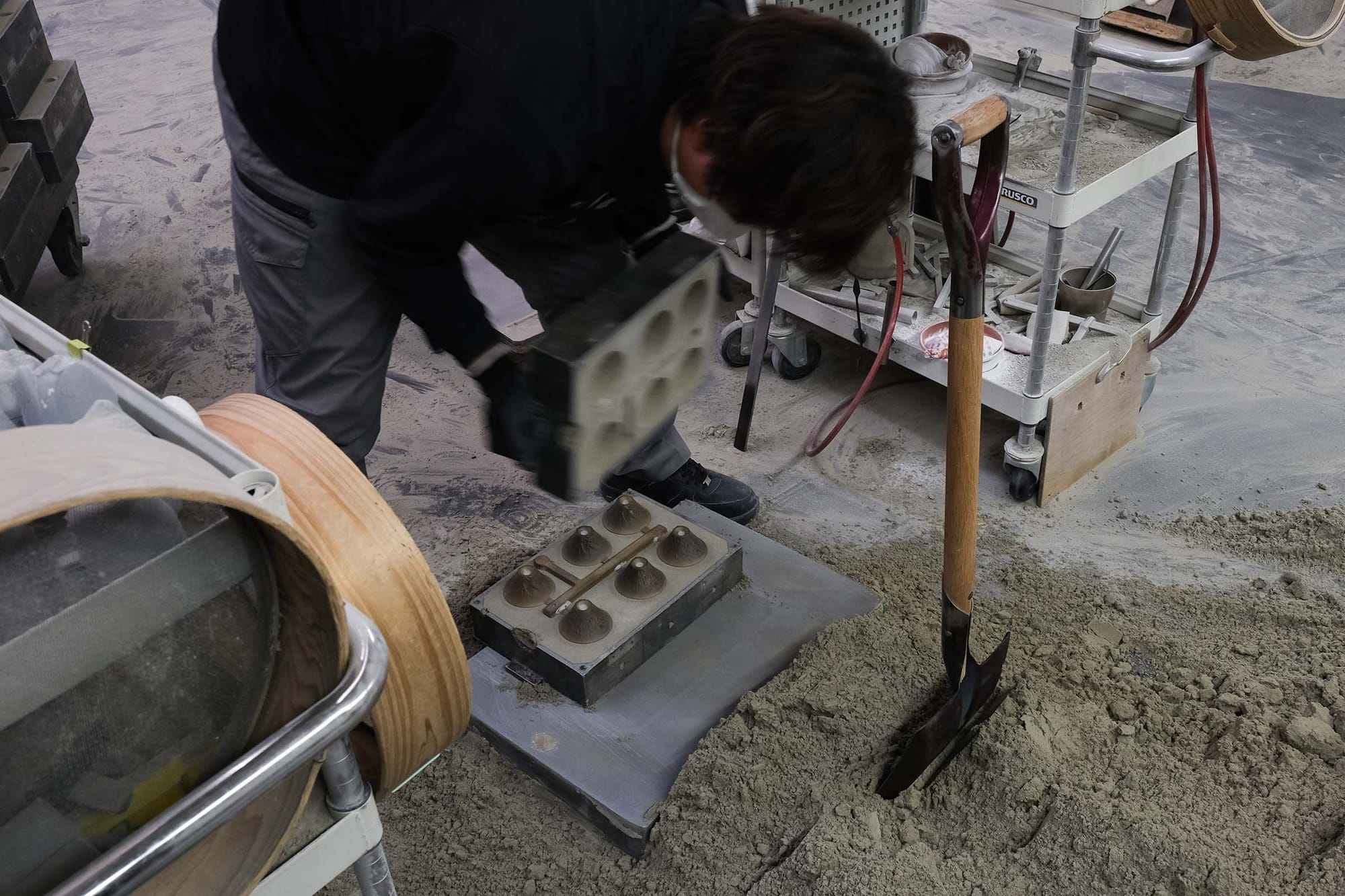
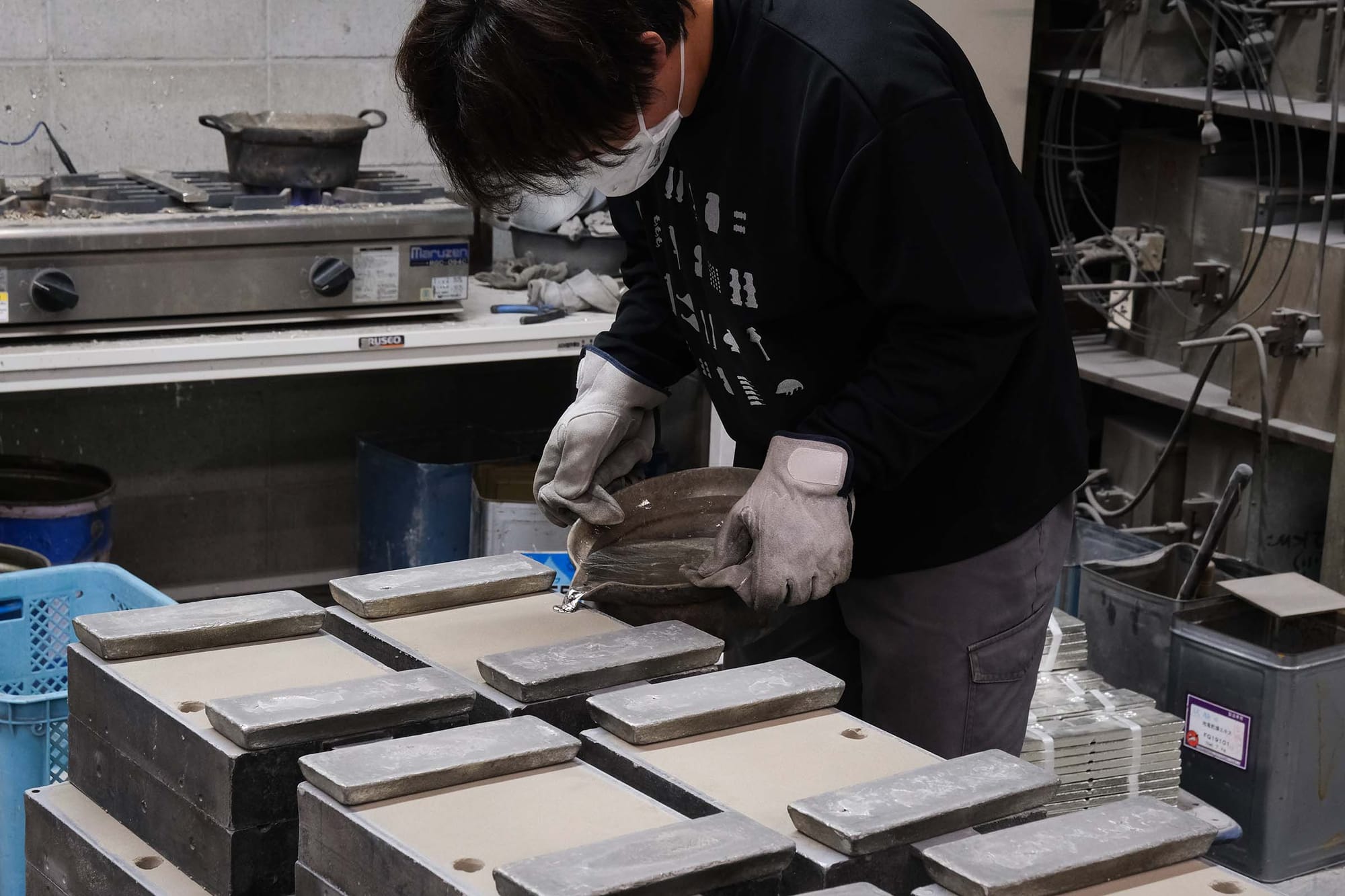
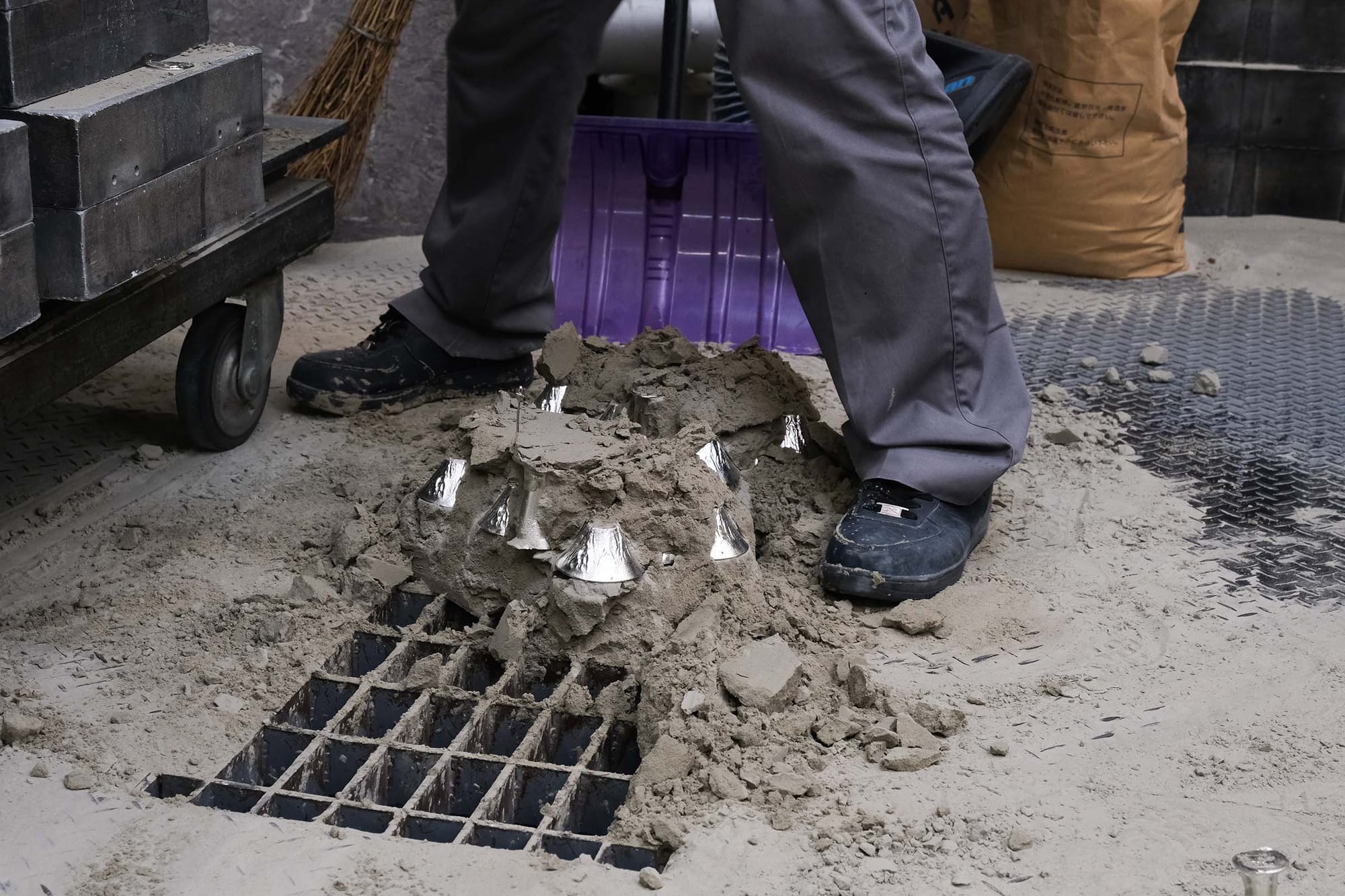
Making the Mount Fuji sake cups. Photos by Gianfranco Chicco
Like the content of The Craftsman? Share it with a friend! You can support my work by offering me a virtual coffee ☕️
つづく