
When Apricots Blossom - Milan Design Week 2026

Working with The Crosses, led by Adnan Abbasi, I was a creative producer and digital strategist for When Apricots Blossom, Uzbekistan's first national exhibition at Milan Design Week 2026 (20–26 April, Palazzo Citterio).
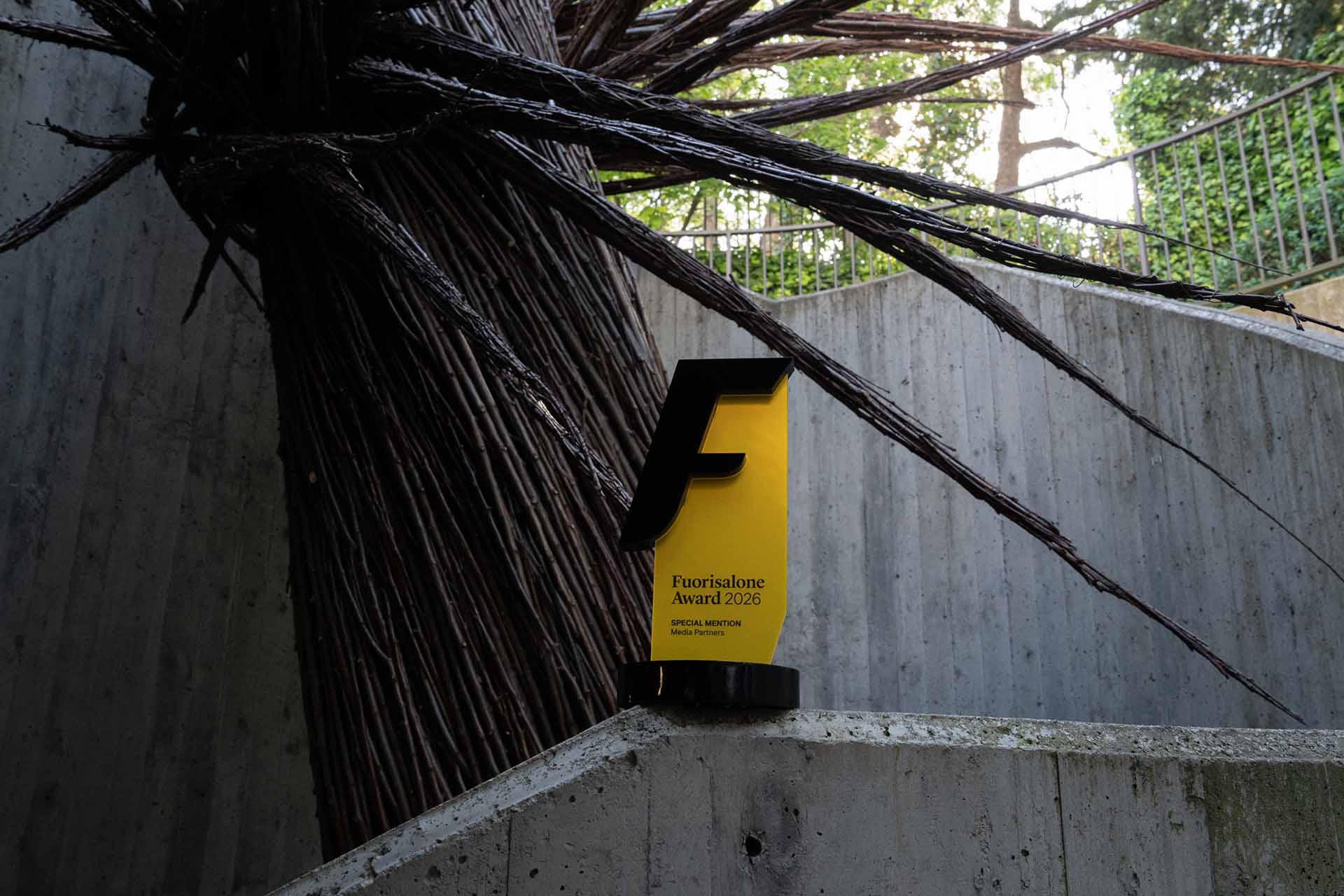
Commissioned by Gayane Umerova, Chairperson of the Uzbekistan Art and Culture Development Foundation (ACDF), and curated by Kulapat Yantrasast, Founder of WHY Architecture, the exhibition drew 25,000 visitors over seven days, was shortlisted for the Fuorisalone Award, and received the Special Mention from the Fuorisalone Media Critics.
Elevating Craft Through Design
When Apricots Blossom took its title from a 1937 poem by Uzbek writer Hamid Olimjon, an ode to spring, hope and resilience. Its subject was Karakalpakstan, a region in northwestern Uzbekistan where the shrinking of the Aral Sea, which has lost approximately 90% of its original volume since the 1960s, has defined life for generations. The exhibition positioned craft not as heritage on display, but as a system of living knowledge with a practical role in environmental adaptation. Through the elevation of craft to design, the project explores the creation of new economic opportunities to channel the creative energy and appetite from Karakalpakstan.
Three craft traditions structured the curatorial argument: bread-making, yurt-building and tassel-weaving, each addressing a fundamental human need (food, shelter, clothing), and each demonstrating how local materials and intergenerational knowledge have historically allowed communities to respond to changing landscapes.
Creative Director and Designers
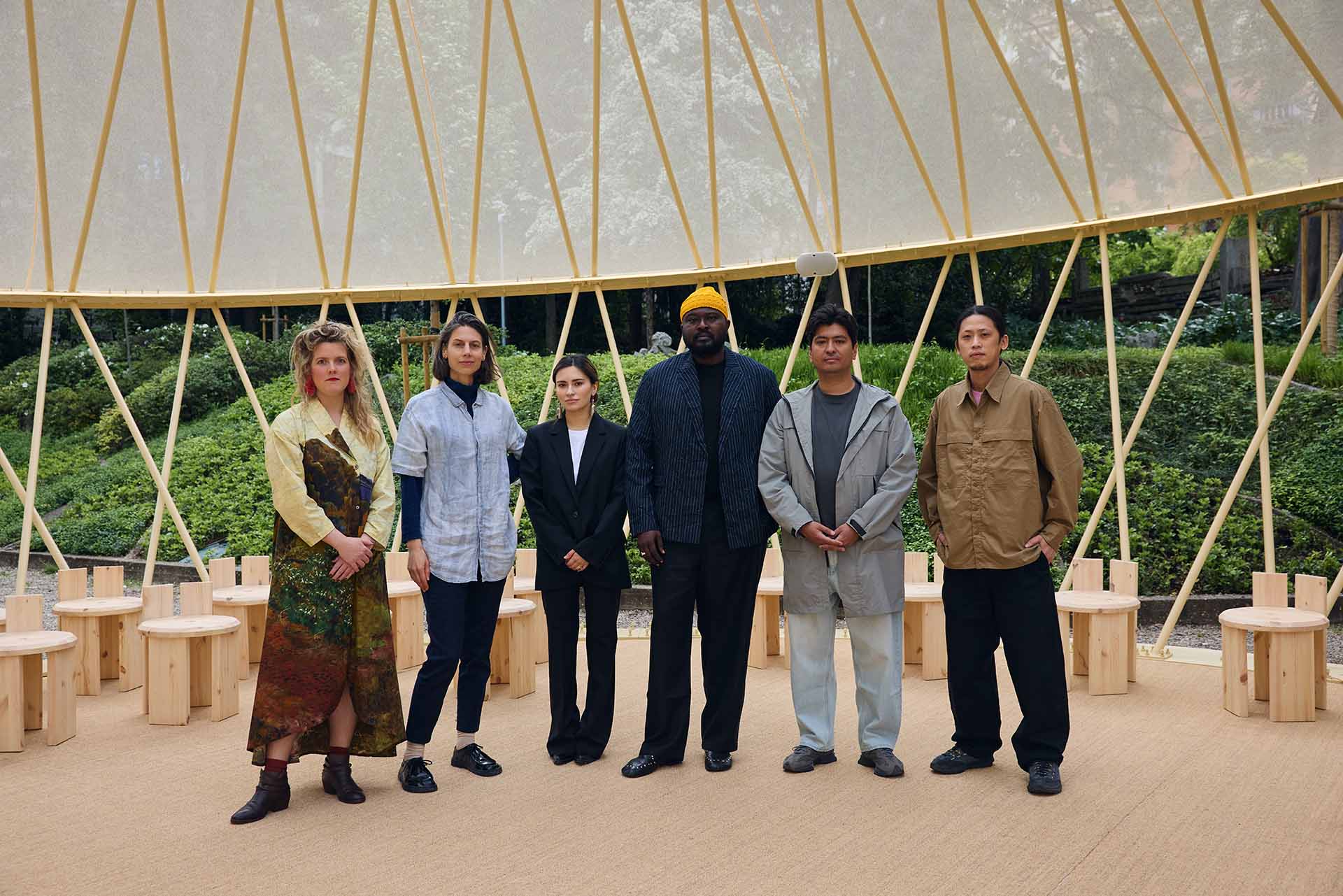
Kulapat Yantrasast, whose practice WHY Architecture has designed spaces for the Metropolitan Museum of Art in New York and the Musée du Louvre in Paris, travelled across Uzbekistan before developing the exhibition concept, visiting cultural institutions and meeting artisans directly. Production of the exhibition was by Black Engineering.
Material Palette
The commissions and scenography drew on materials native to the region and its craft traditions: textiles, reeds, felt, wood and ceramics.
Research Trips to Aral Sea region and Tashkent
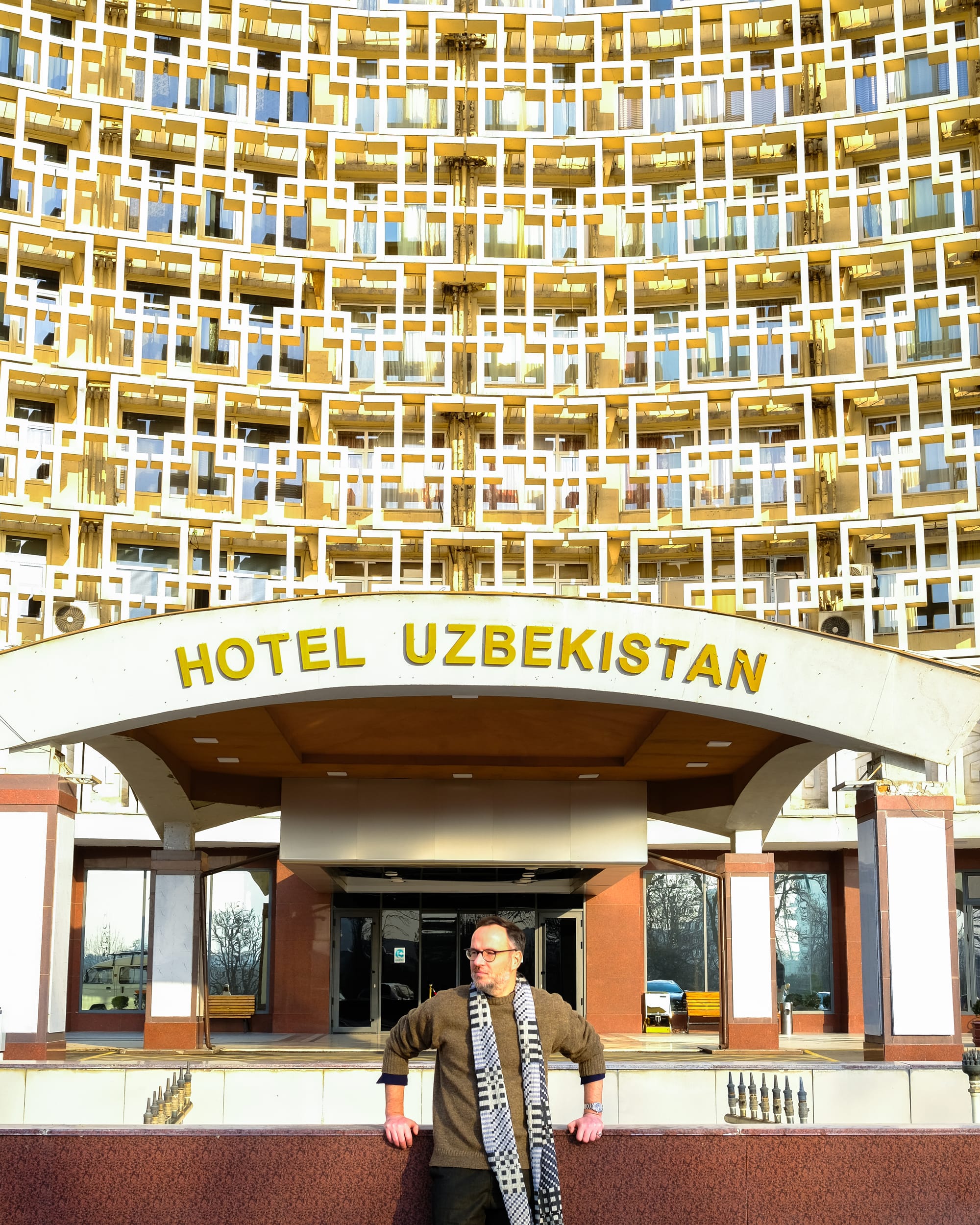
The Crosses team made several trips to Uzbekistan, to Tashkent and to Nukus, capital of Karakalpakstan, with Yantrasast and designers to meet artisans, understand the material culture of the region first-hand, and identify the collaborators who would work alongside international designers on the commissions.
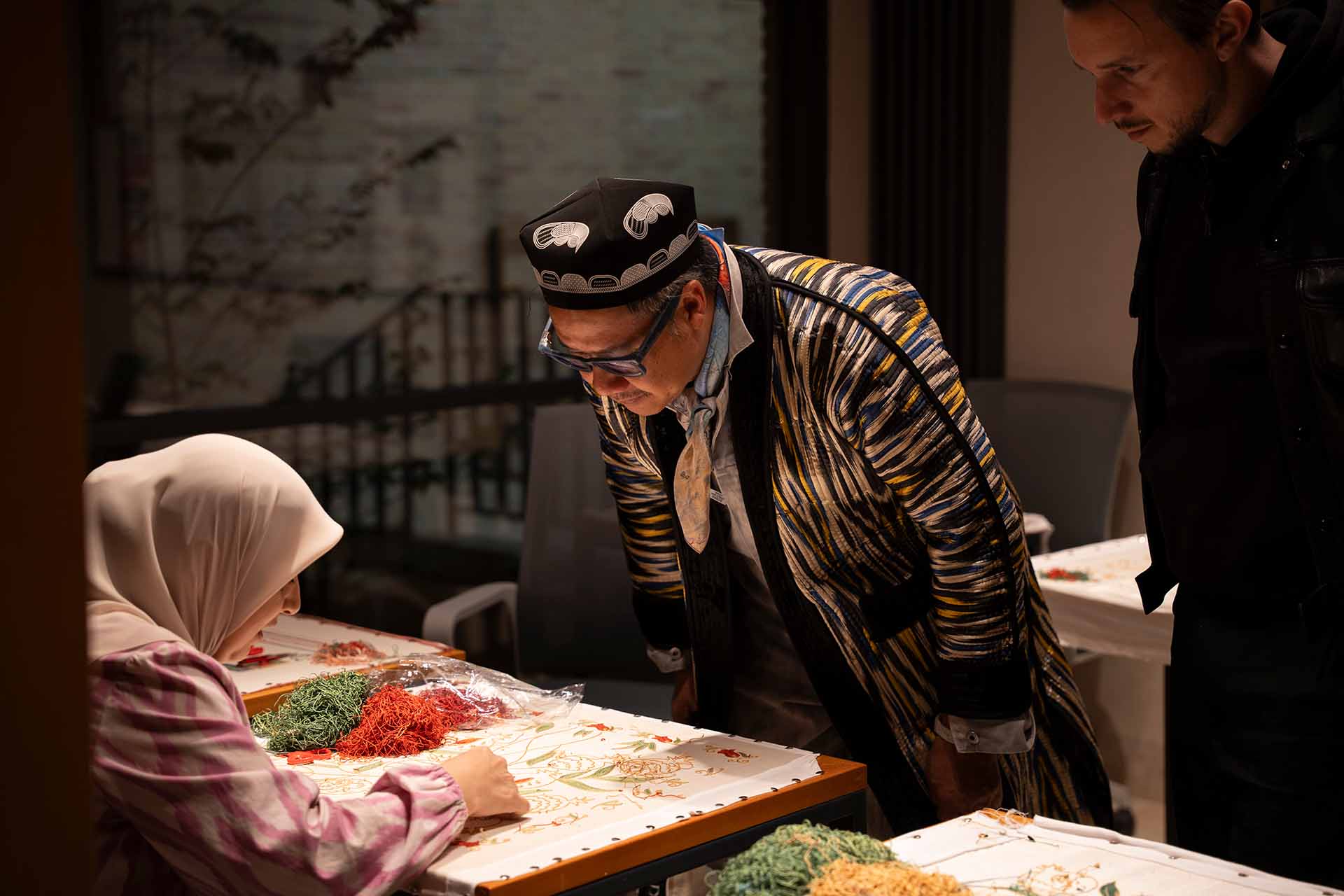
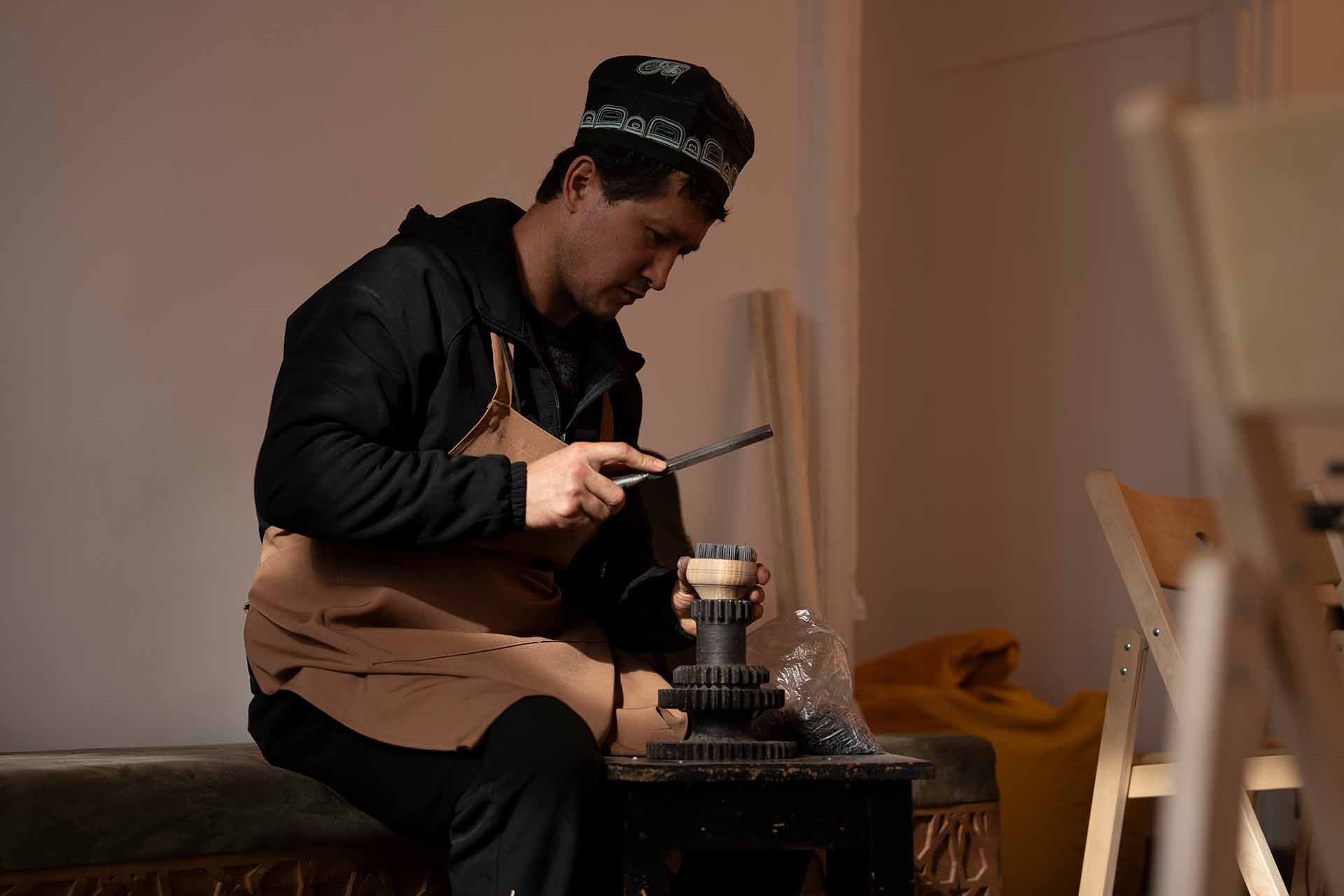
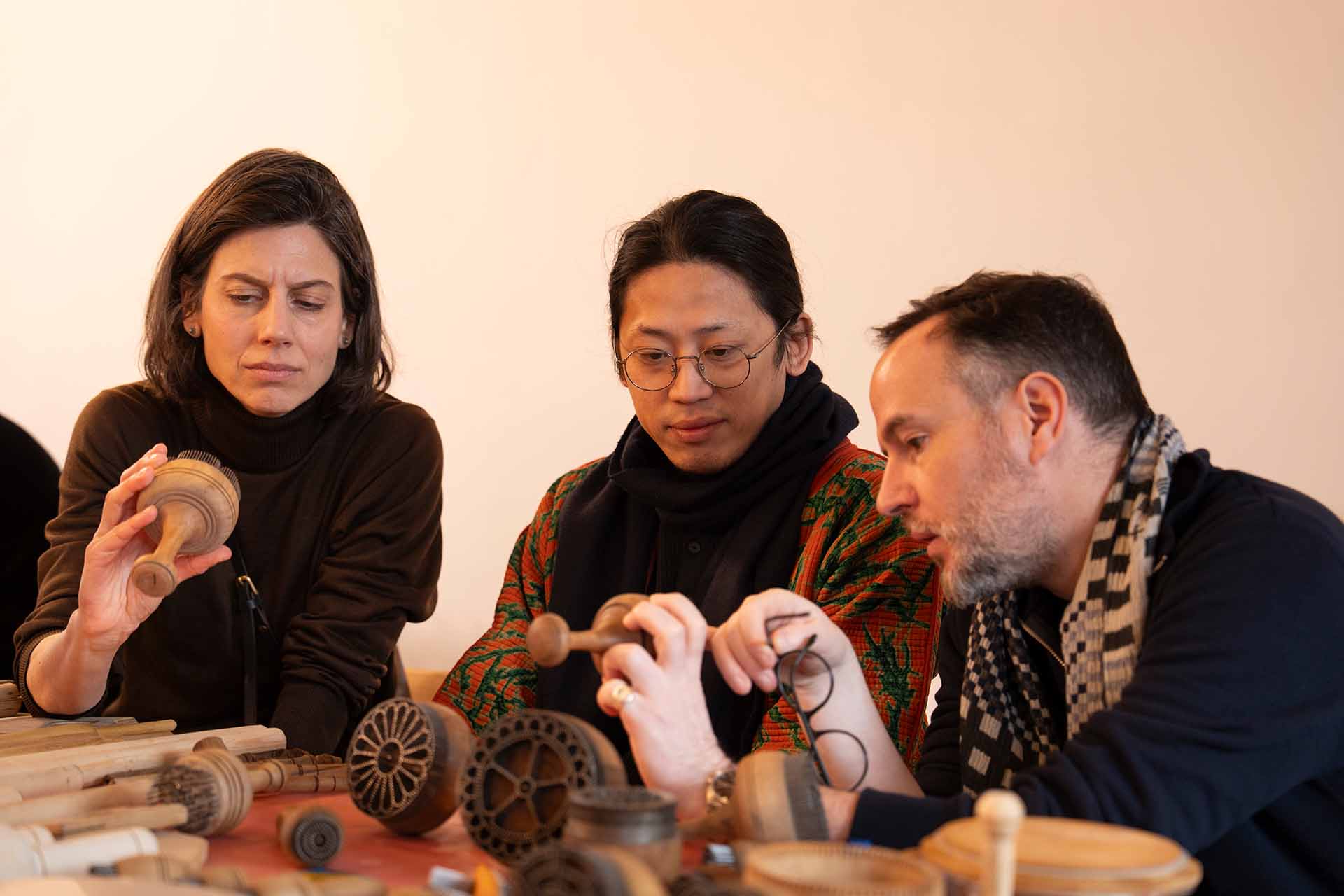
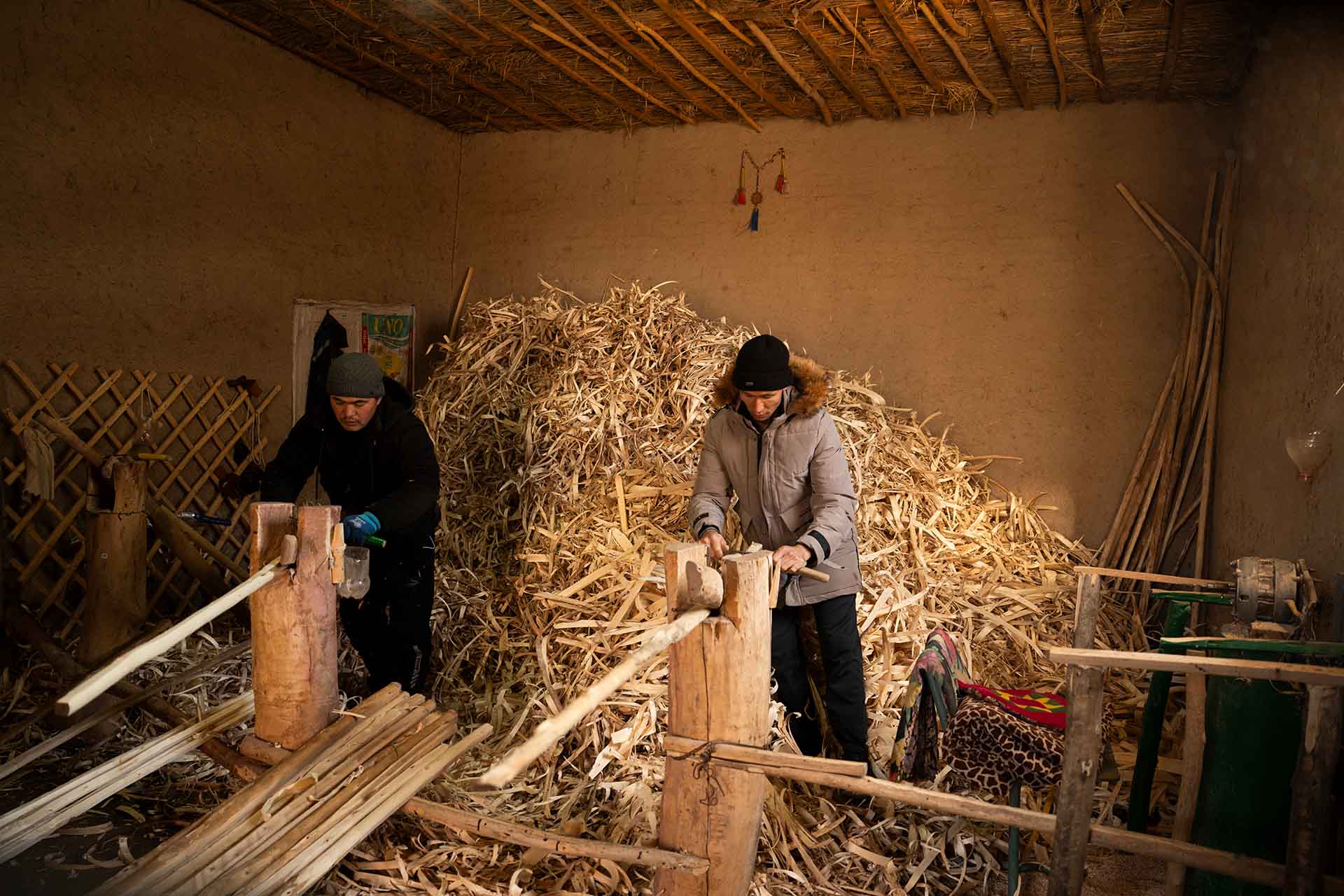
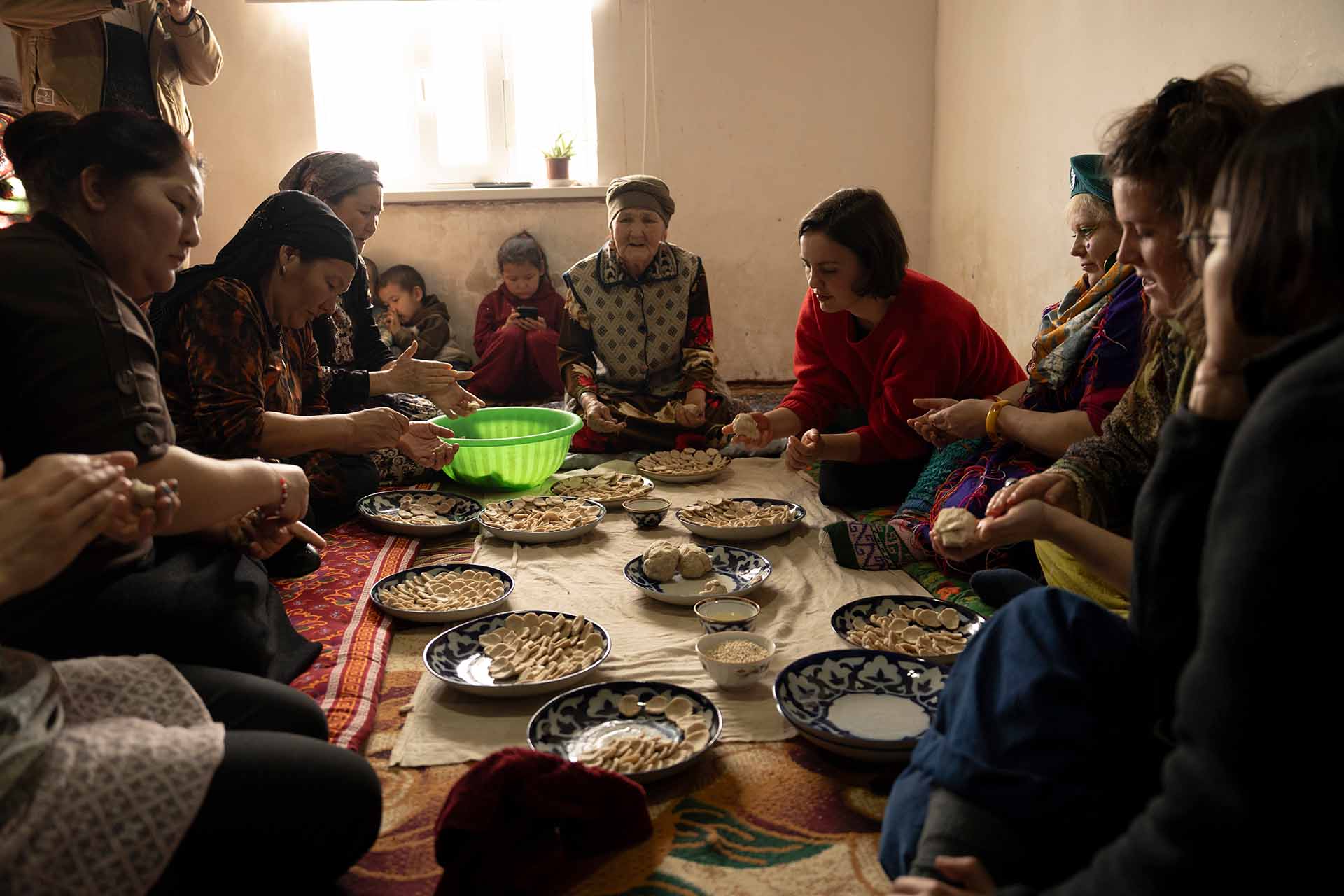
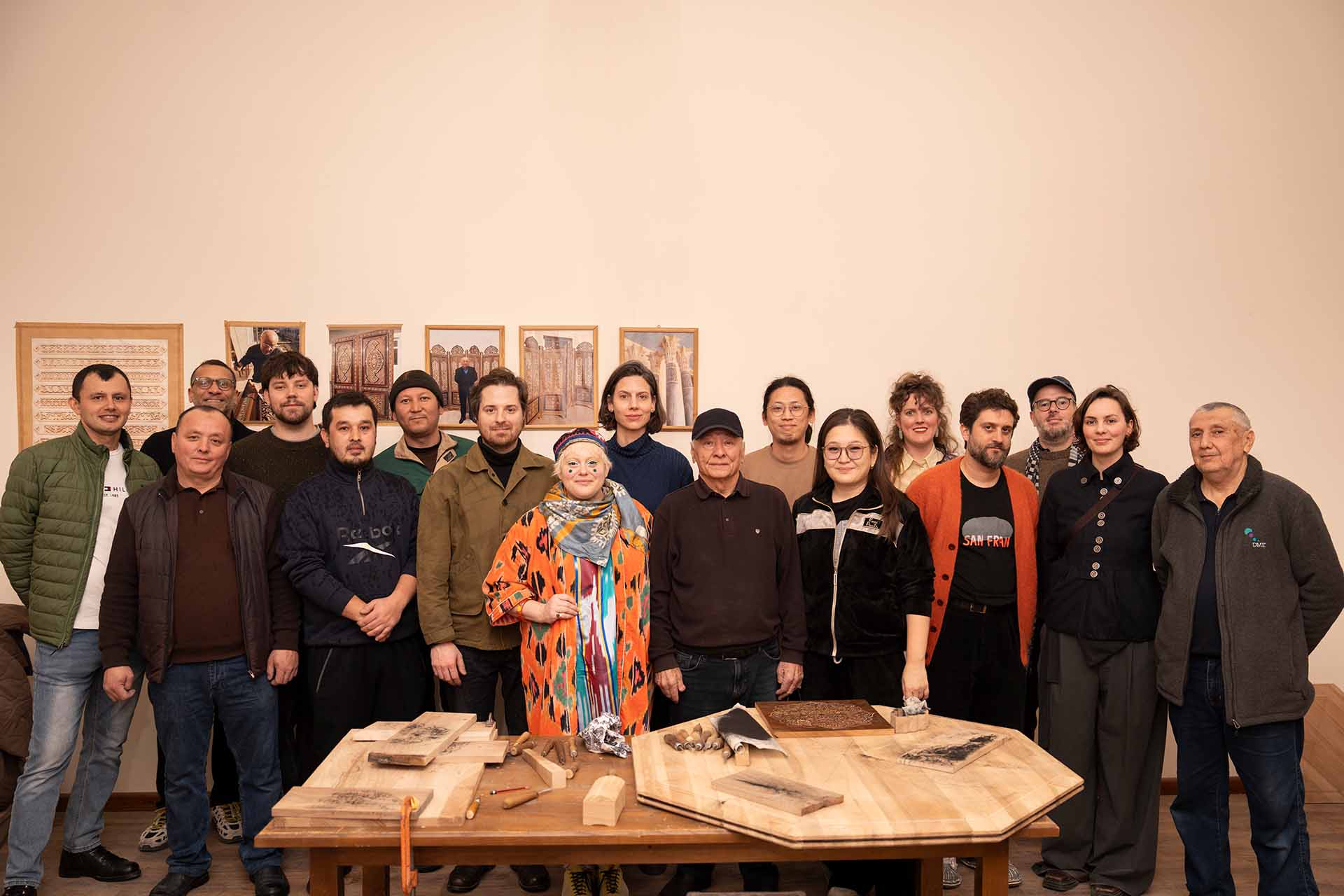
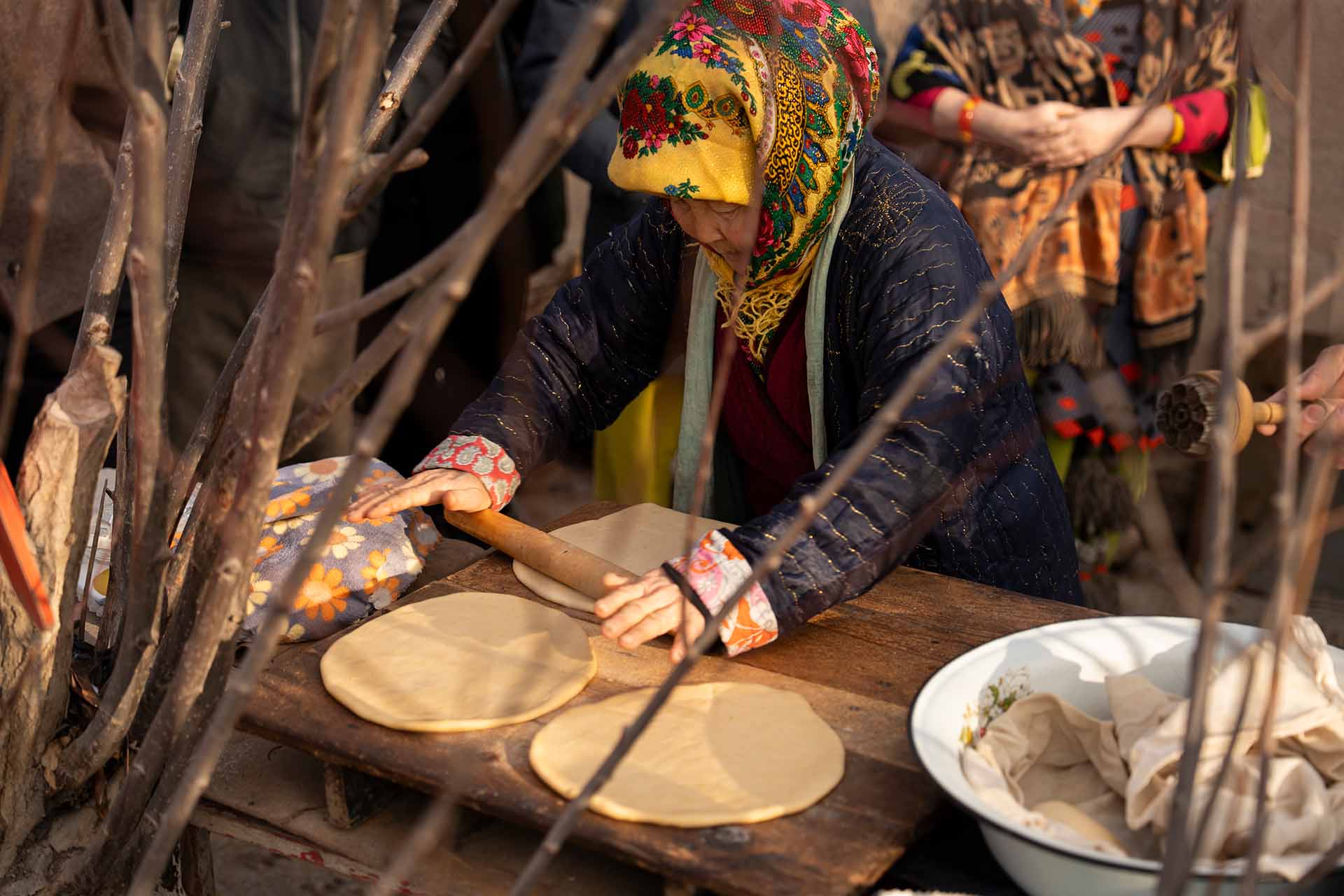
Research trips to immerse ourselves in Uzbek craft culture
Bread Culture: Bread Stamps and Trays
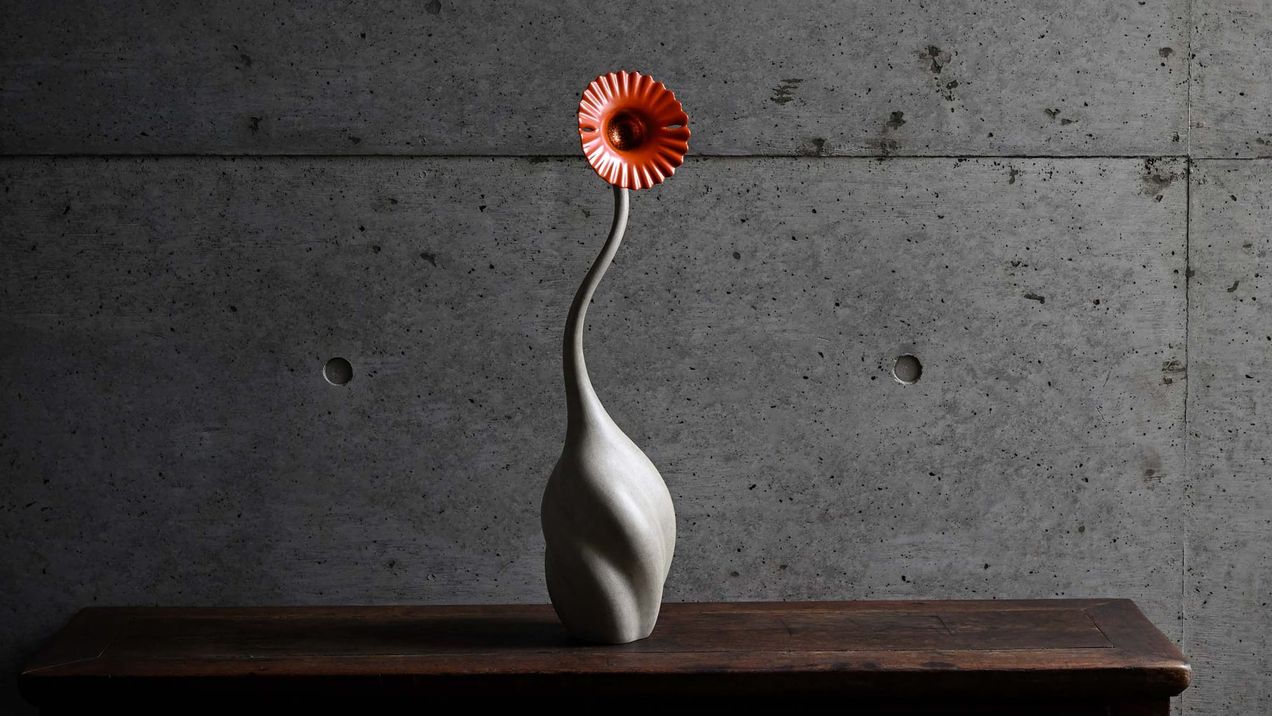
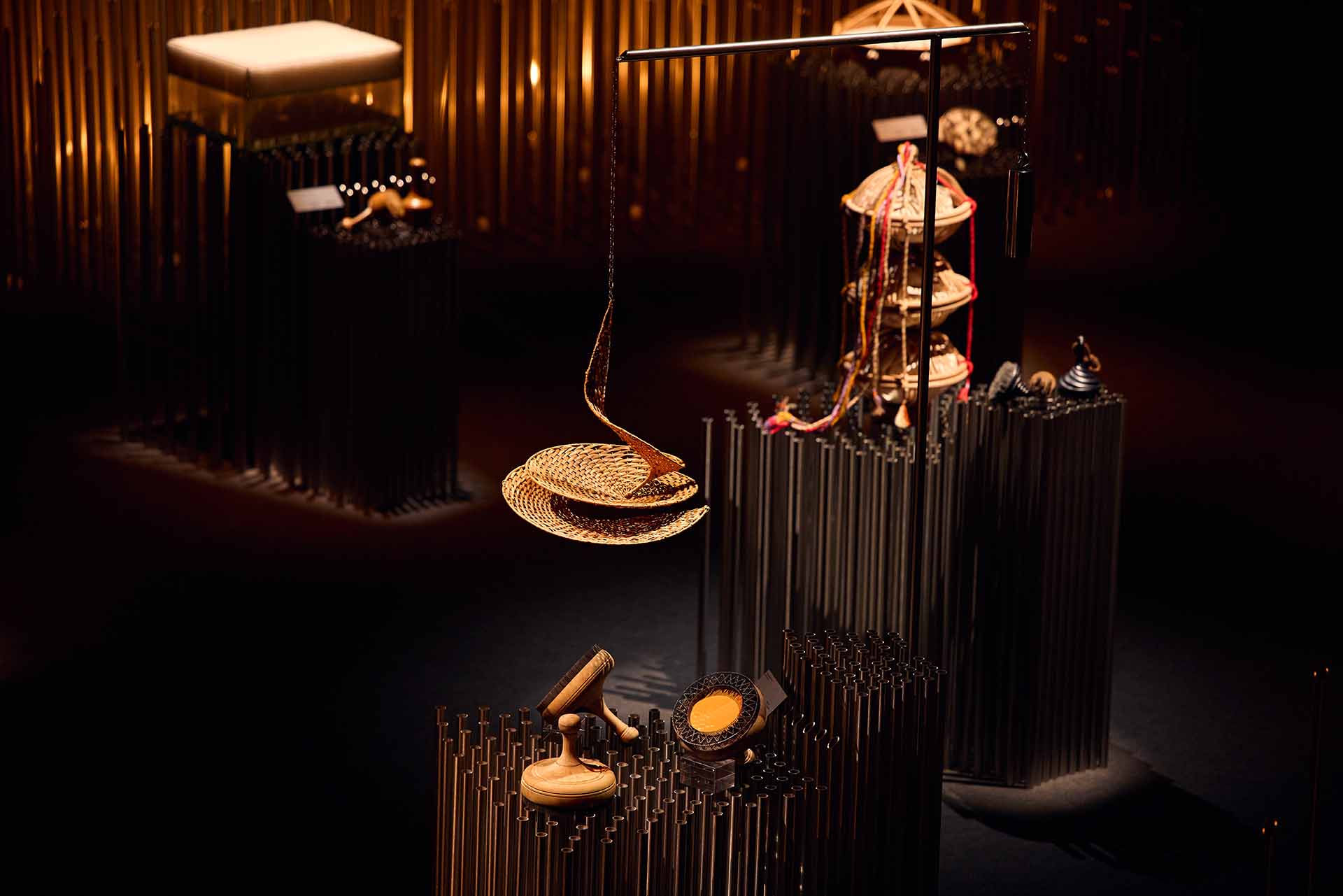
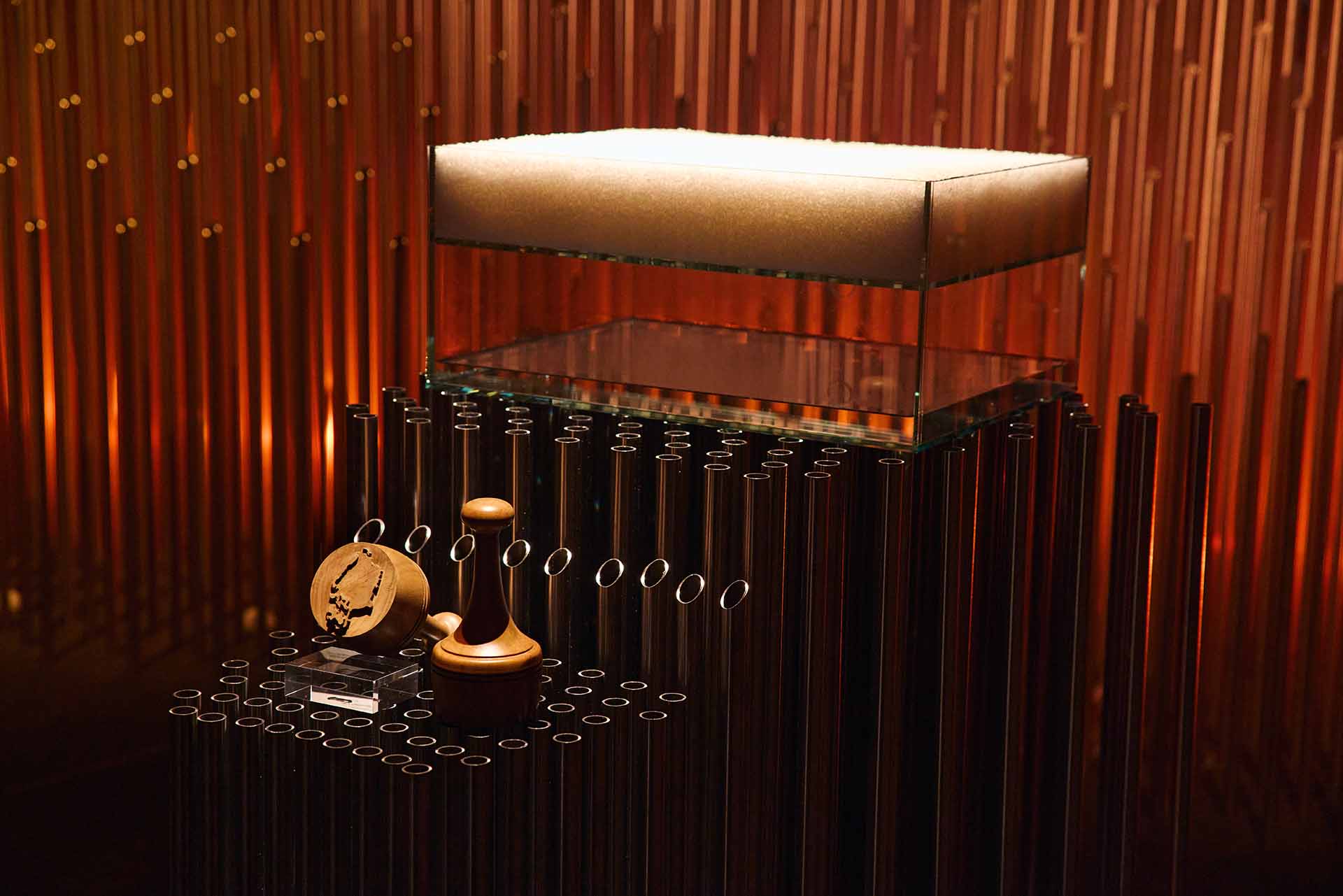
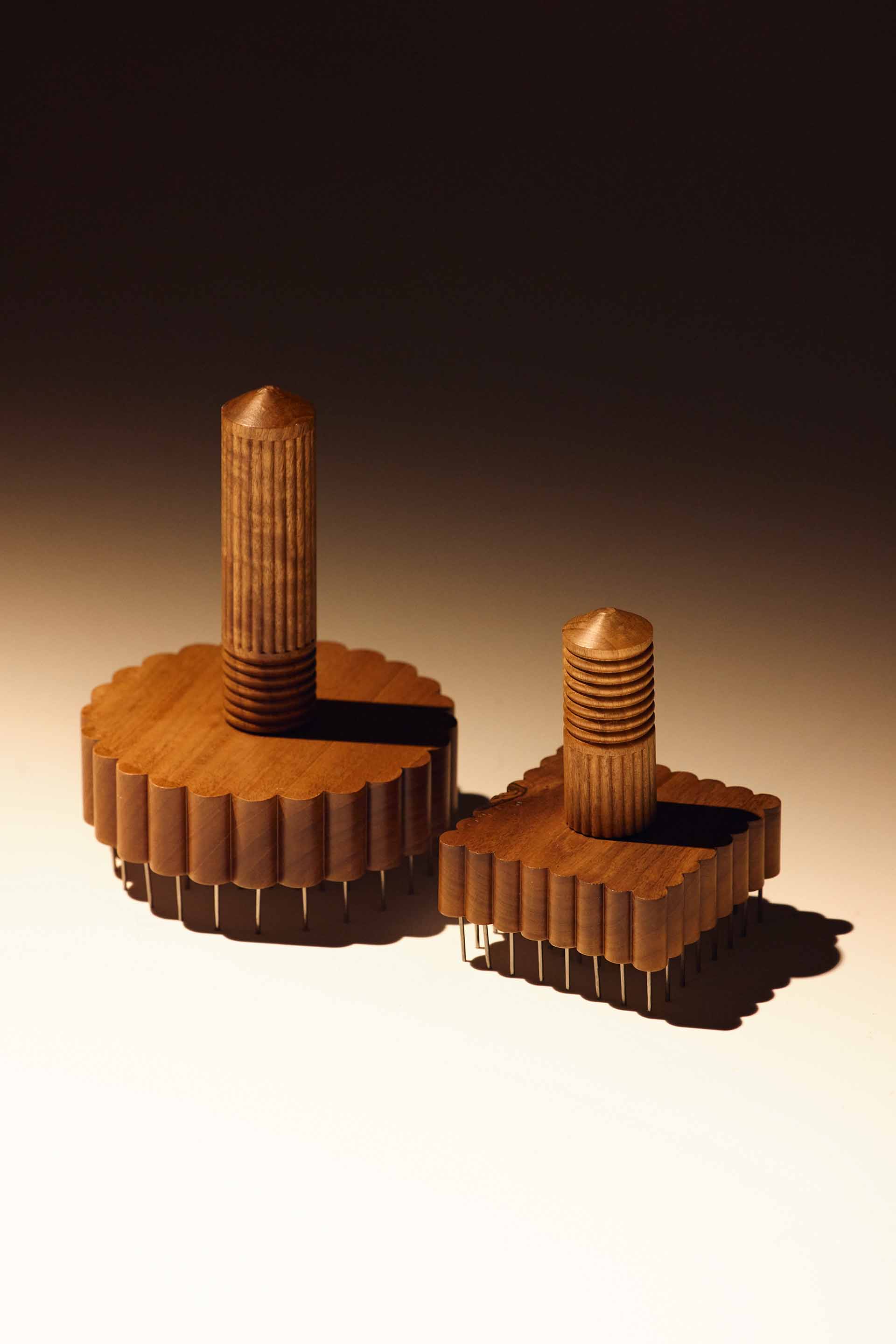
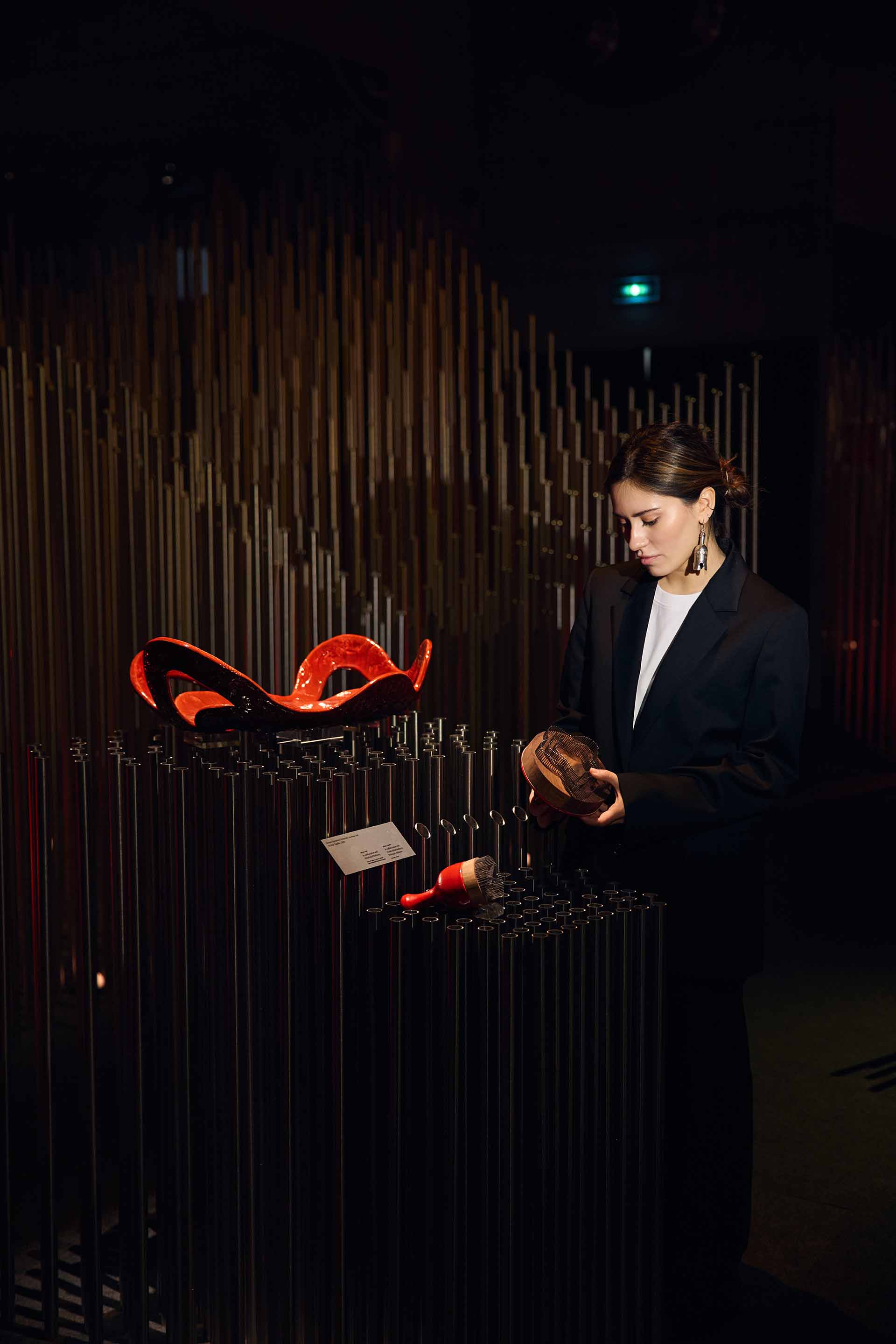
Central to the exhibition was Uzbekistan's bread-making culture and its hand-held stamp, called chekich in Uzbek and tikesh in Karakalpak, used to press intricate patterns into flatbread before baking. These stamps act as both signature and decoration, linking each loaf to a specific baker, household or village. Twelve international designers were commissioned to create their own versions of bread stamps and trays in collaboration with Uzbek and Karakalpak artisans.
Exhibition User Journey
The exhibition unfolded across five main stages.
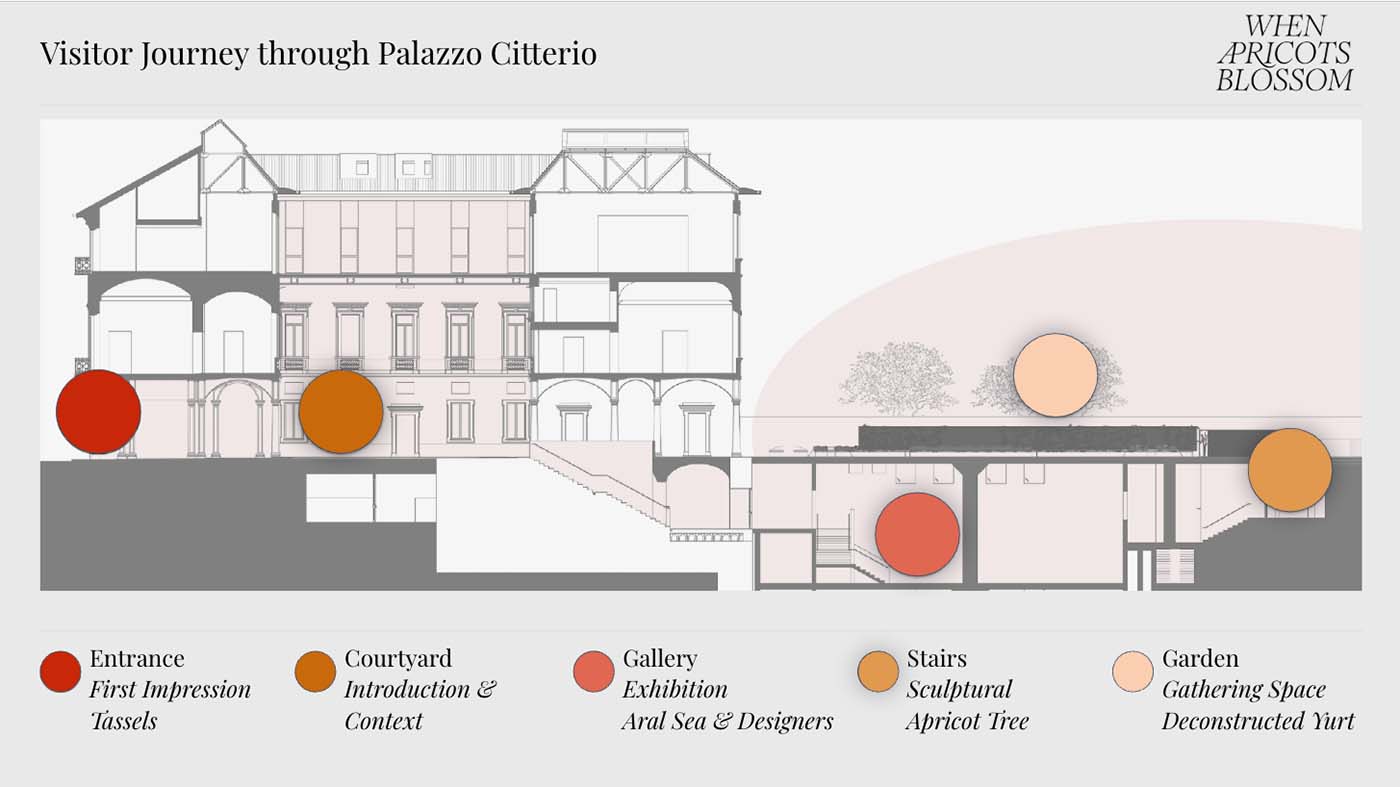
Facade
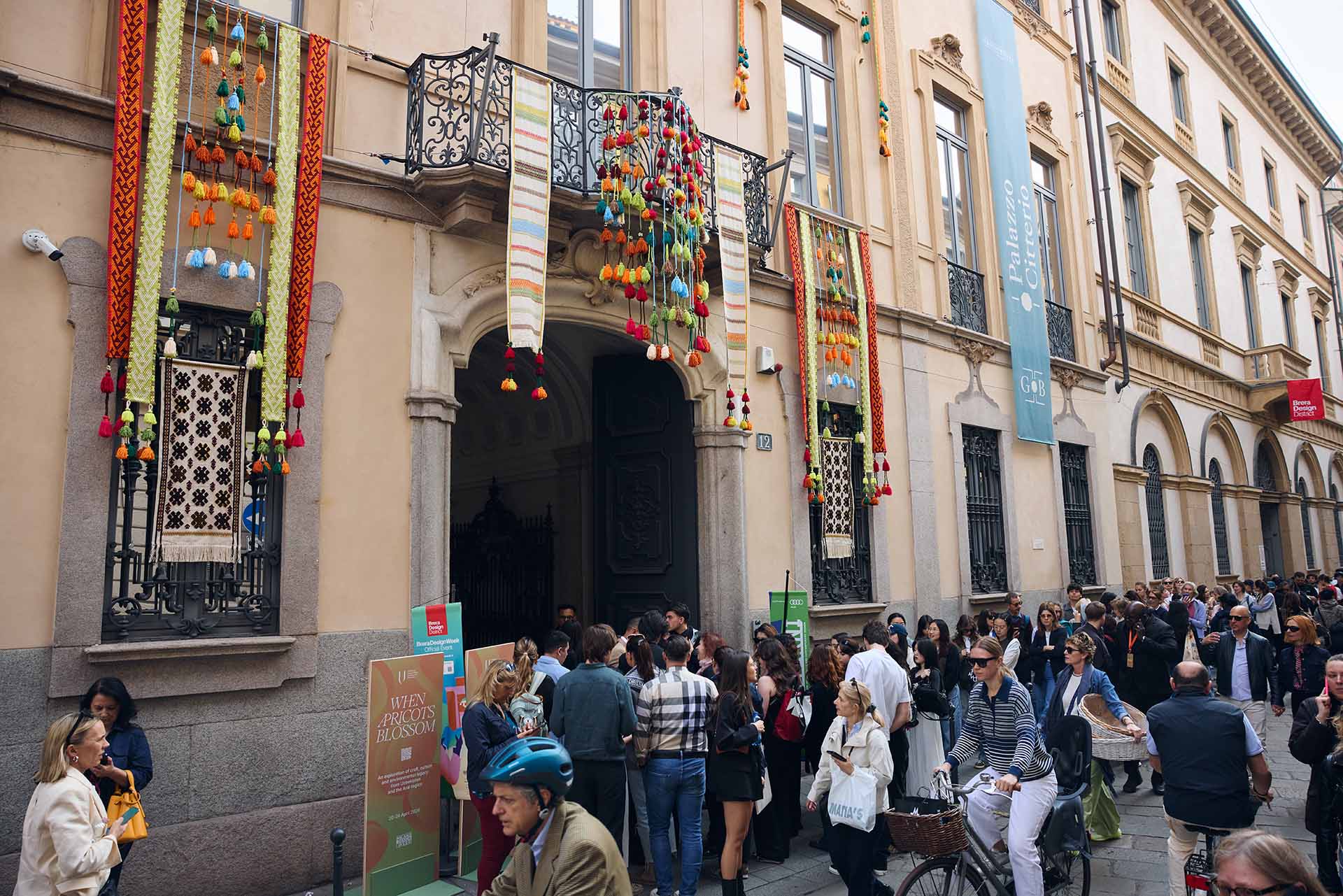
Visitors arrived to find the facade of Palazzo Citterio covered in Bringing the Inside Out, a cascading installation of tassels by Bethan Laura Wood, created with Karakalpak and Uzbek craftspeople and drawing on the ornamentation of yurts.
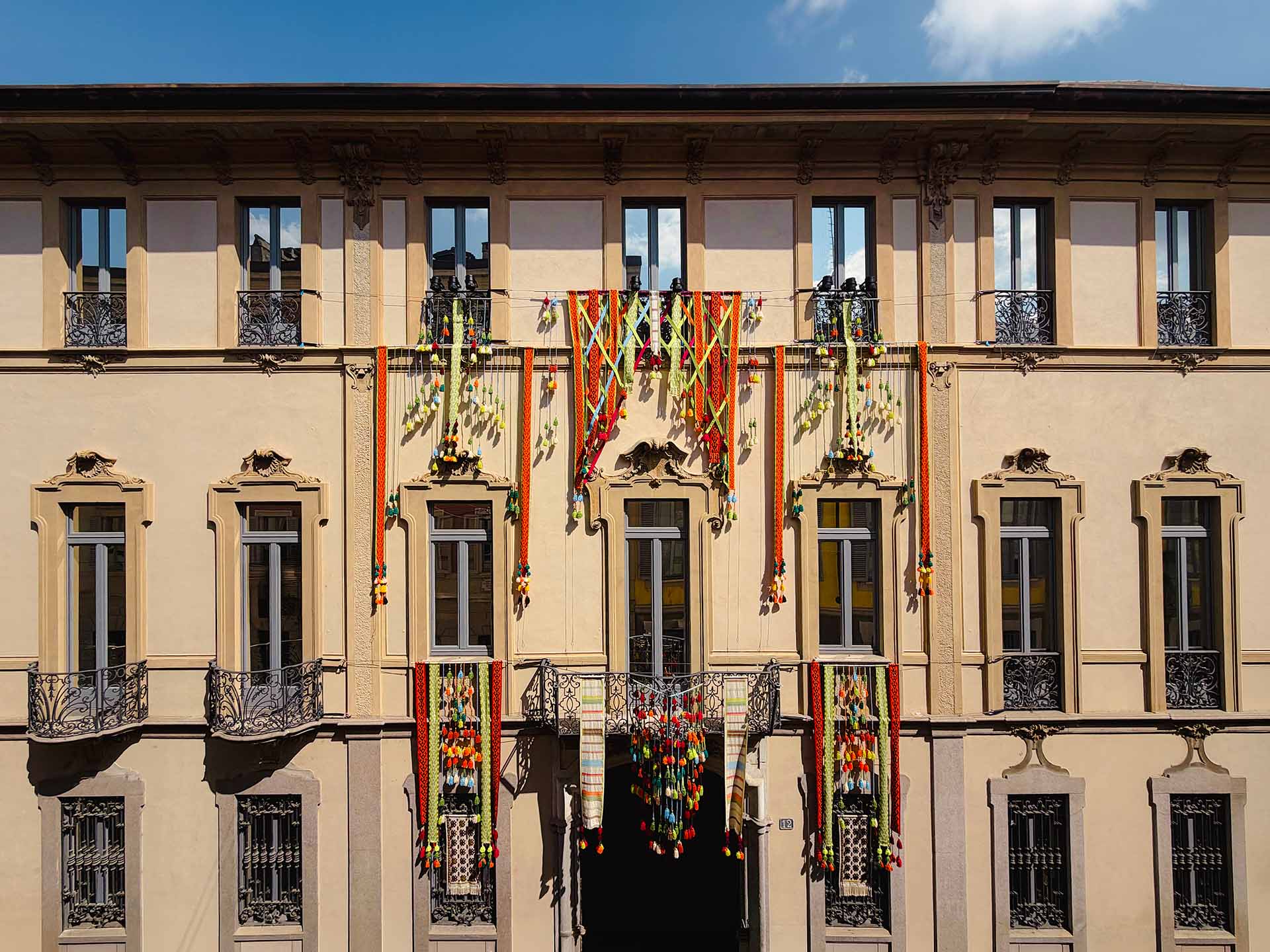
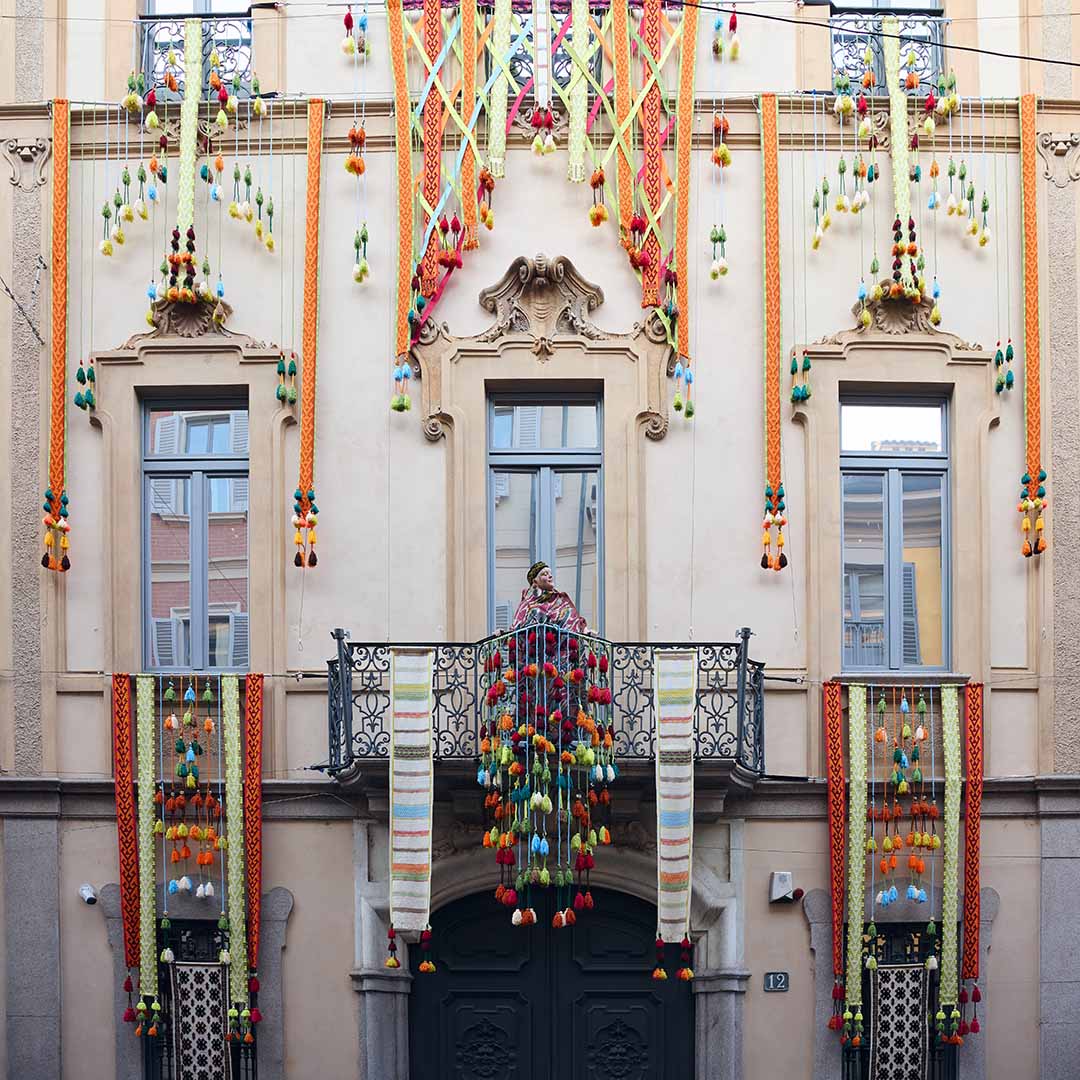
The facade of Palazzo Citterio by Bethan Laura Wood in collaboration with Uzbek artisans
Courtyard
Inside, the courtyard set the context for what followed: ACDF's mission, the story of the Aral Sea and the craft traditions of Karakalpakstan.
Gallery
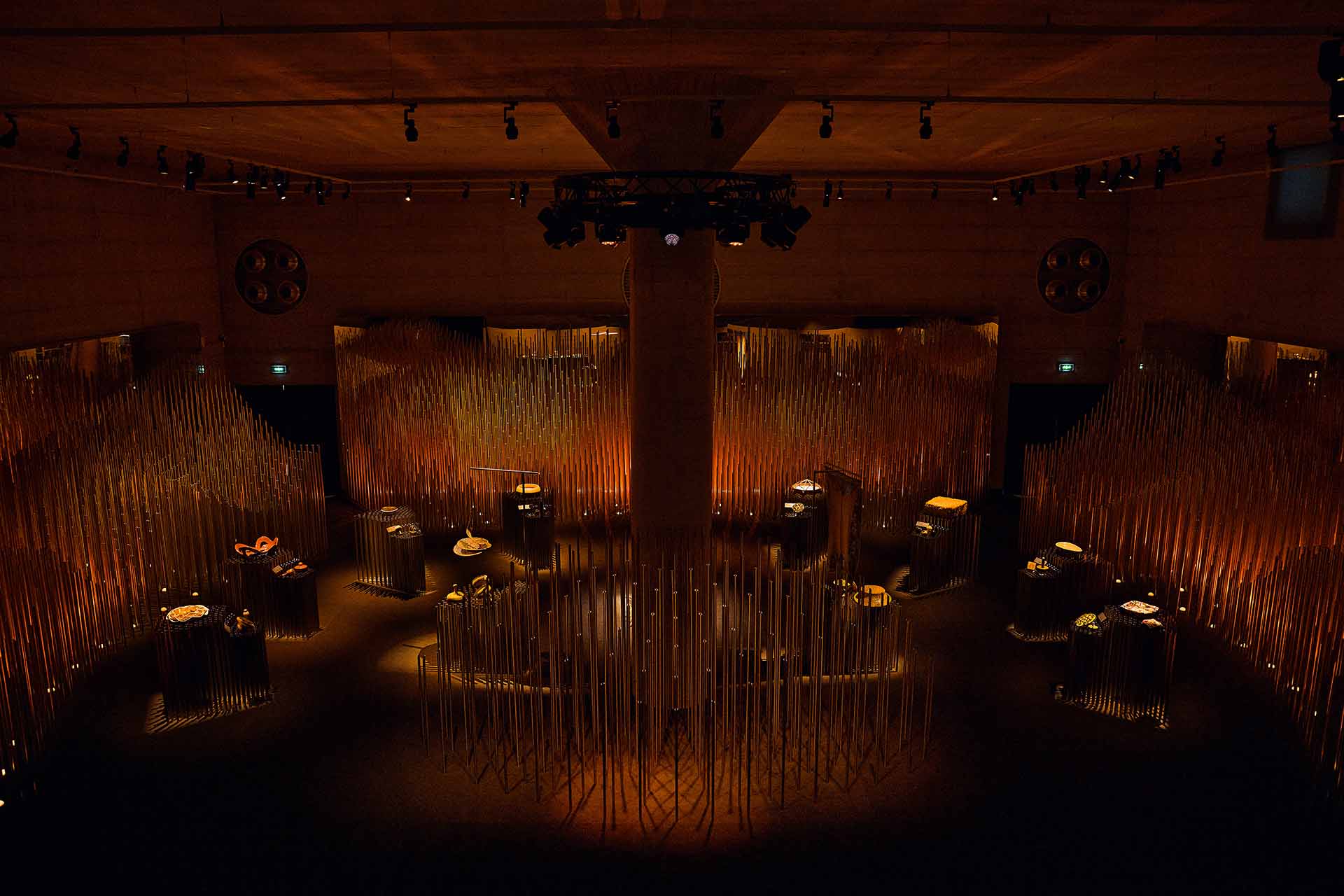
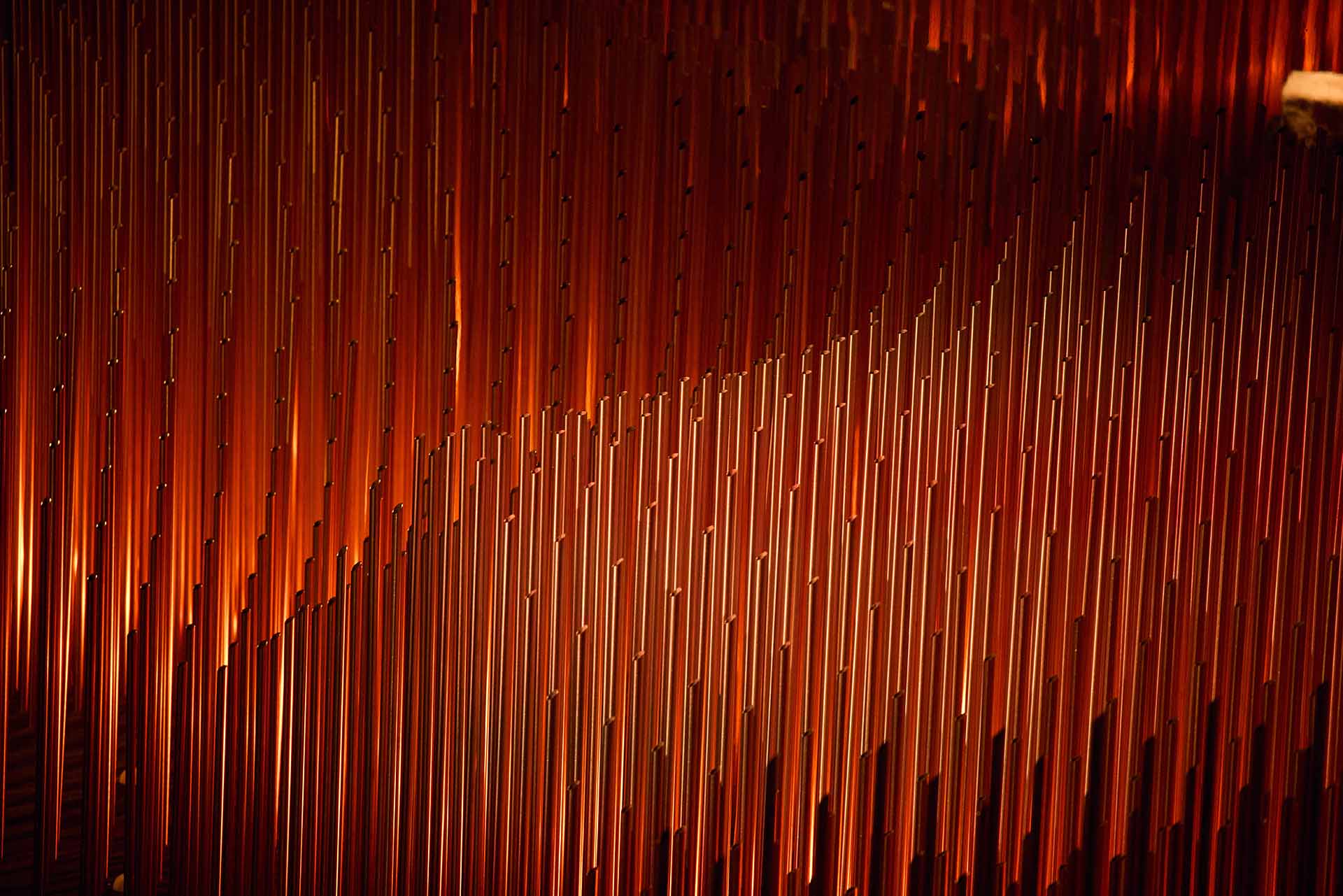
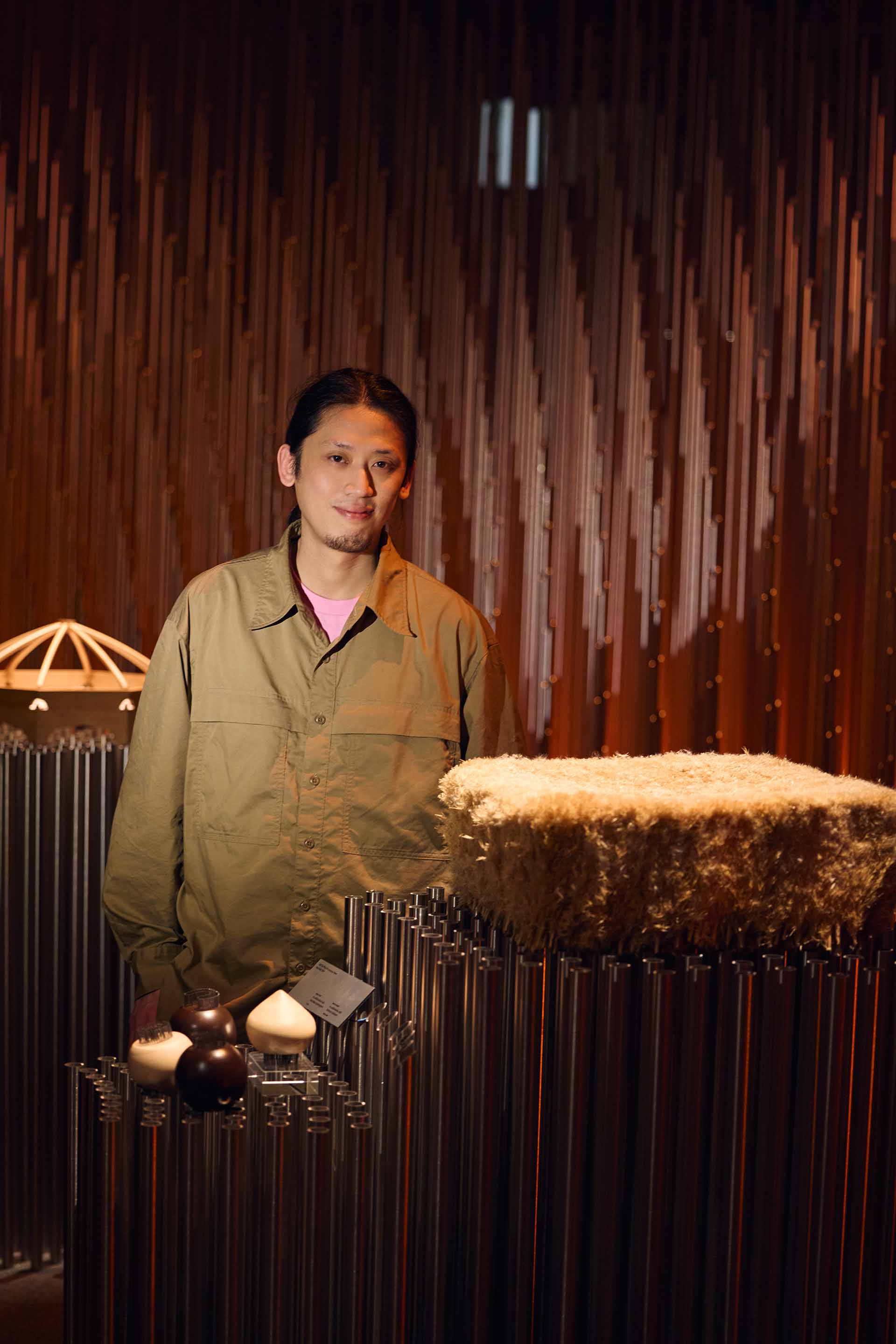
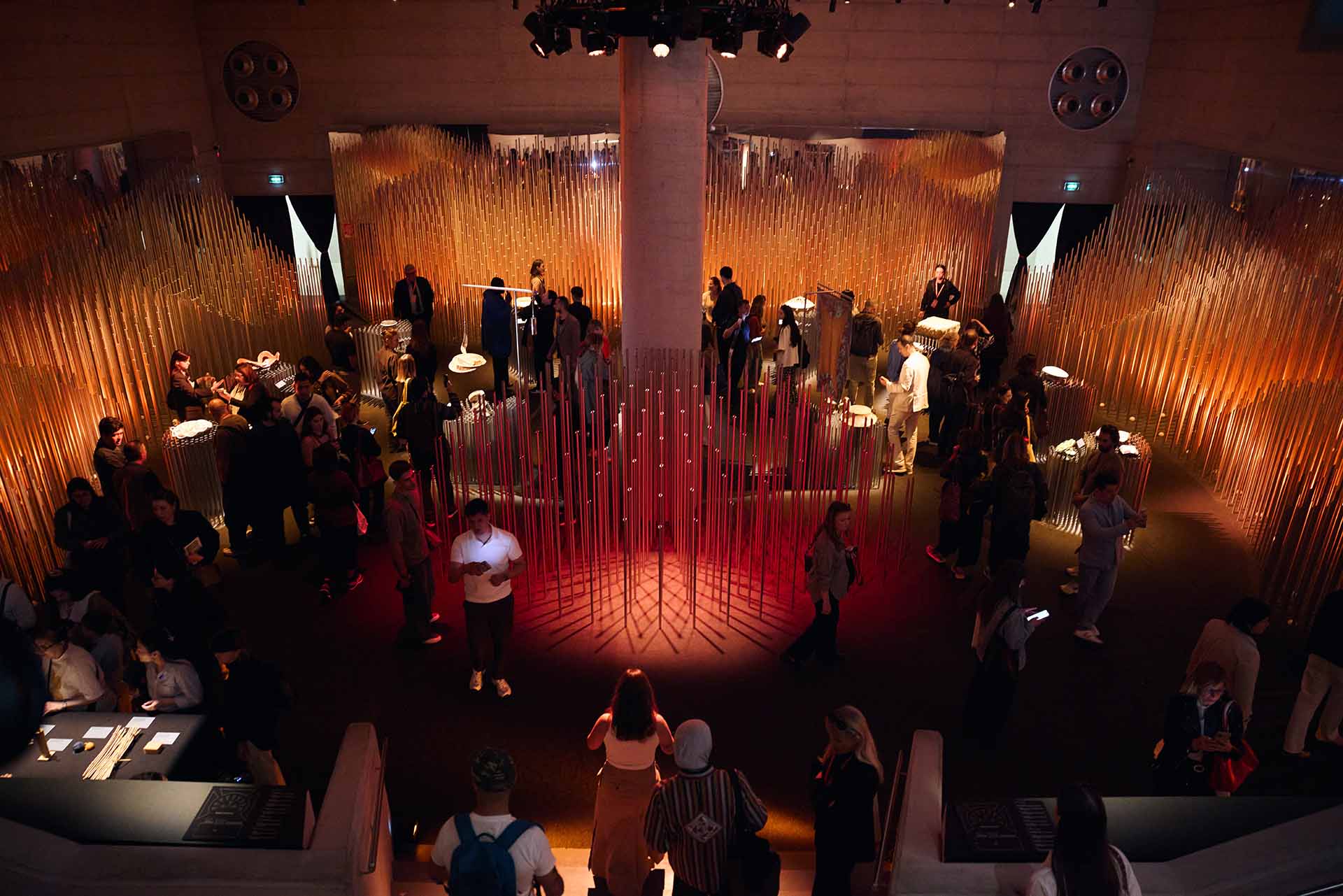
The gallery scenography, designed by Yantrasast and WHY Architecture's Oskar Bocquillon, used metallic reed-like forms to evoke the landscapes of the region and make a reference to the metal pins of the bread stamps. It featured a lighting installation and a soundscape that evolved throughout the day.
Aral Sea
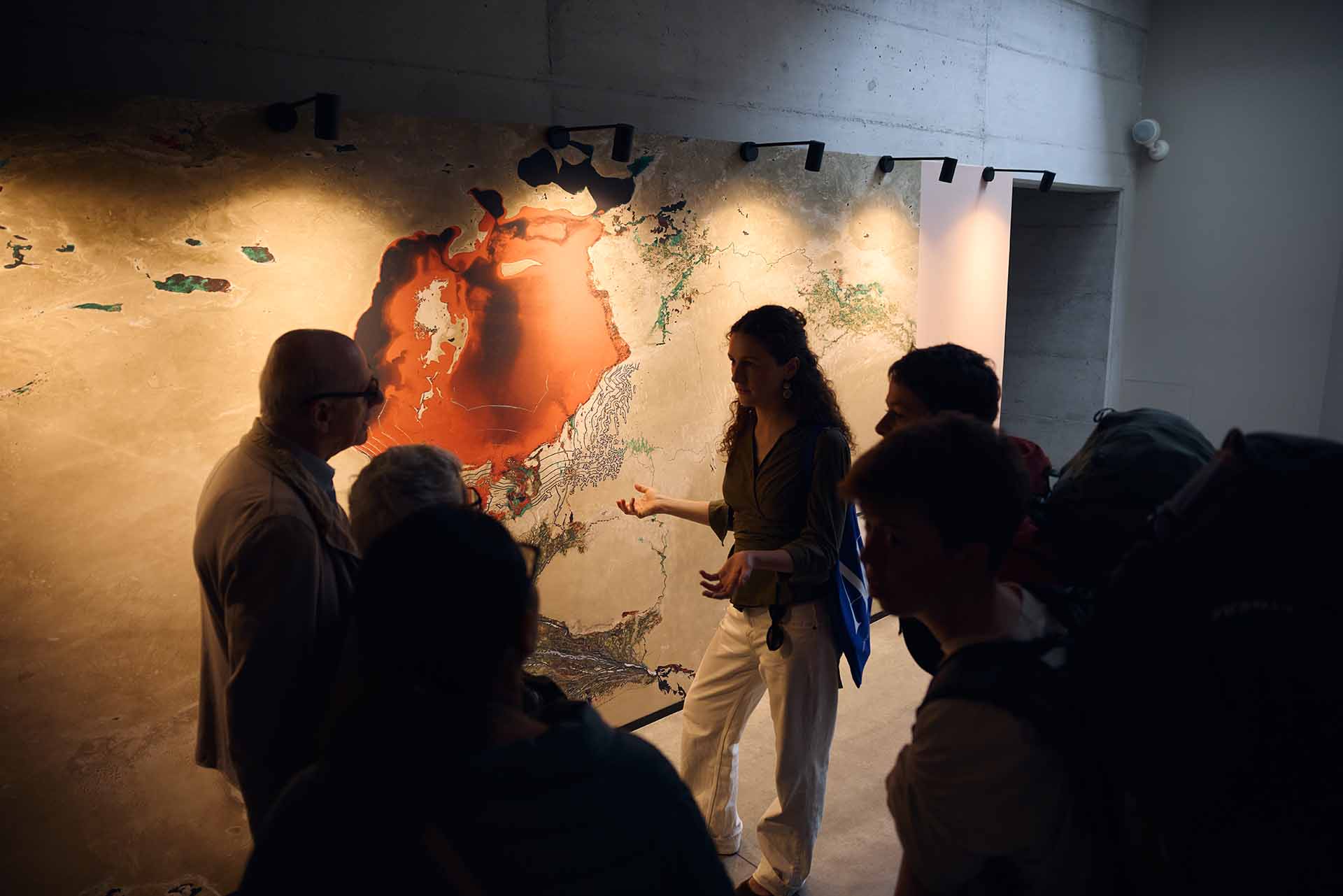
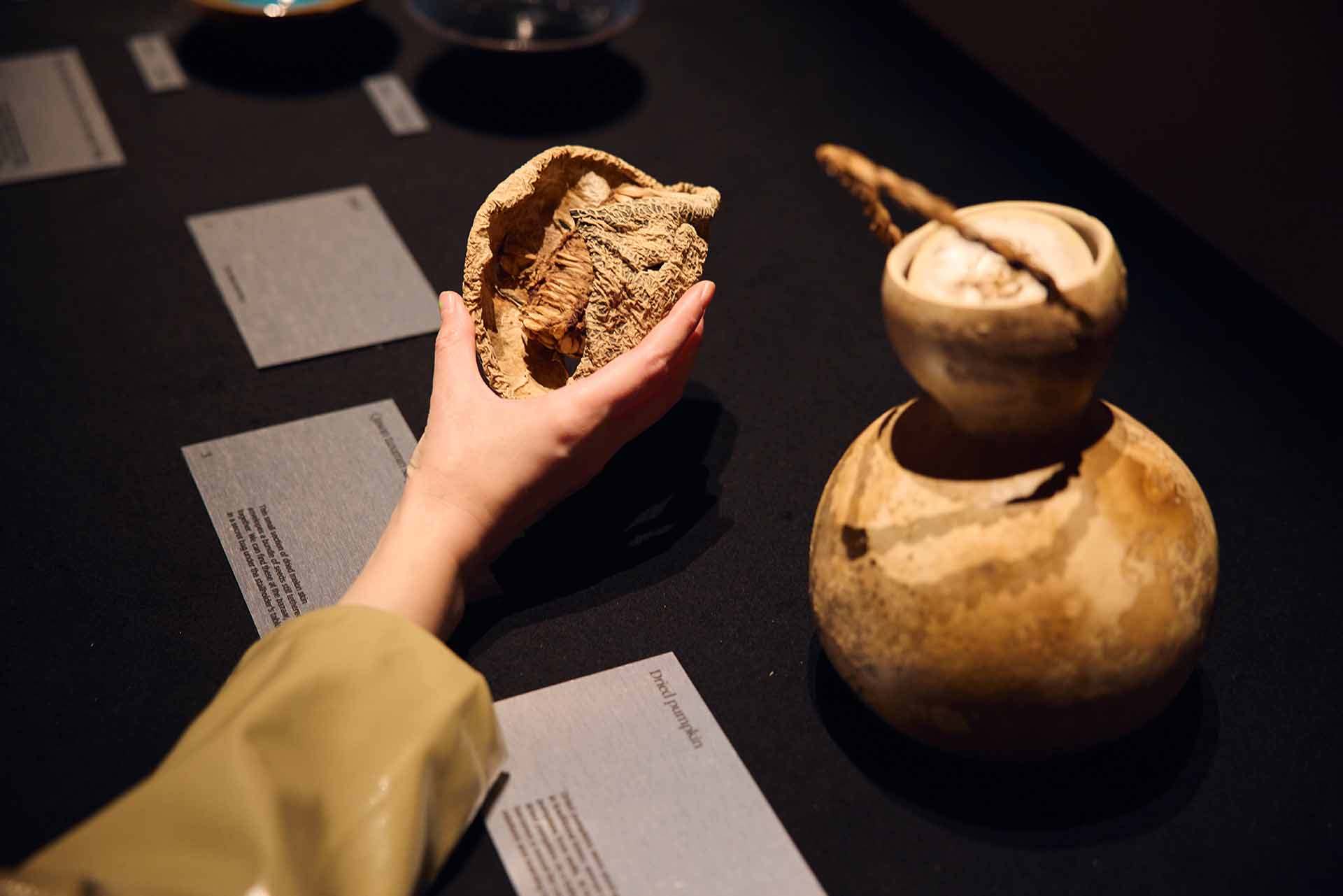
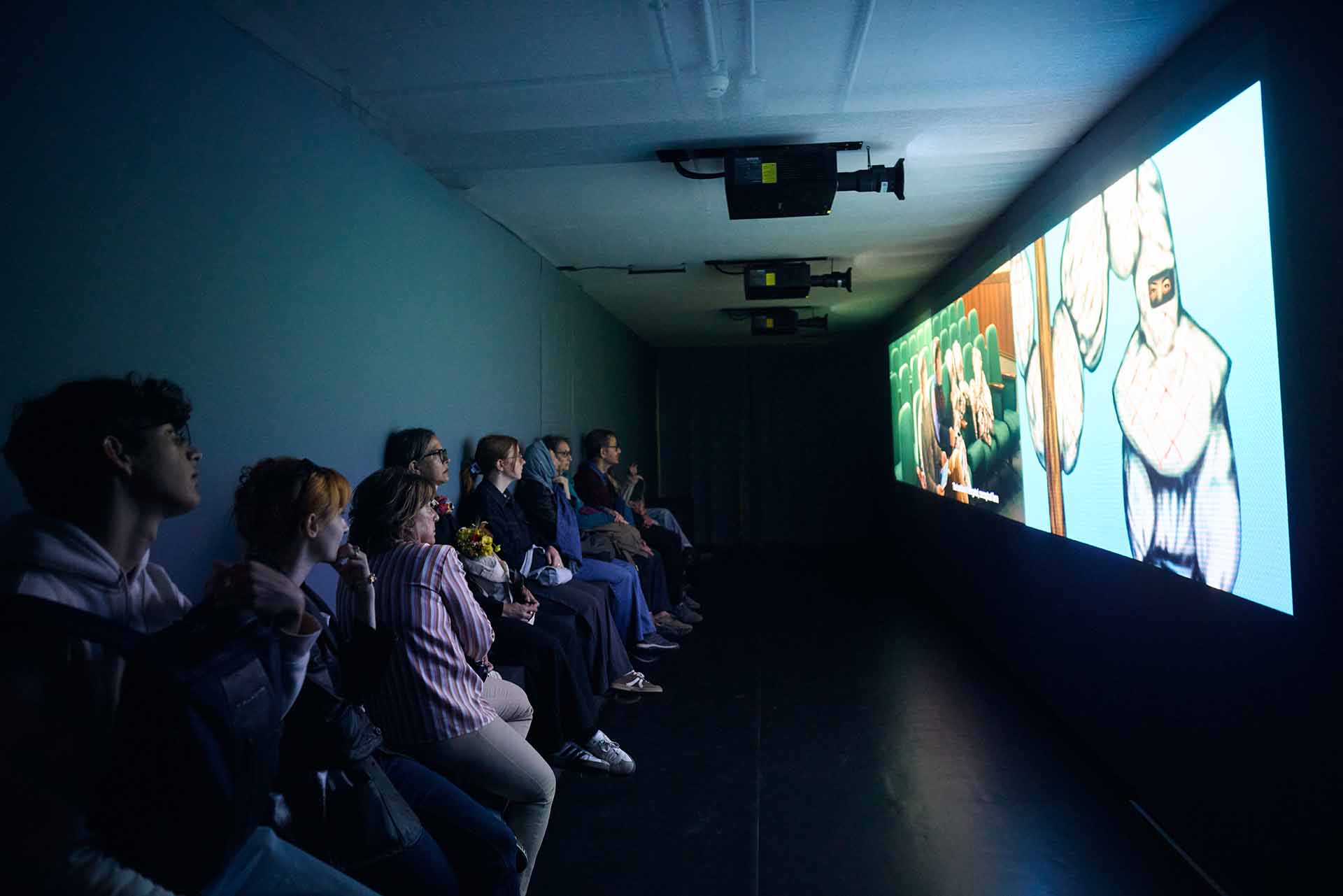
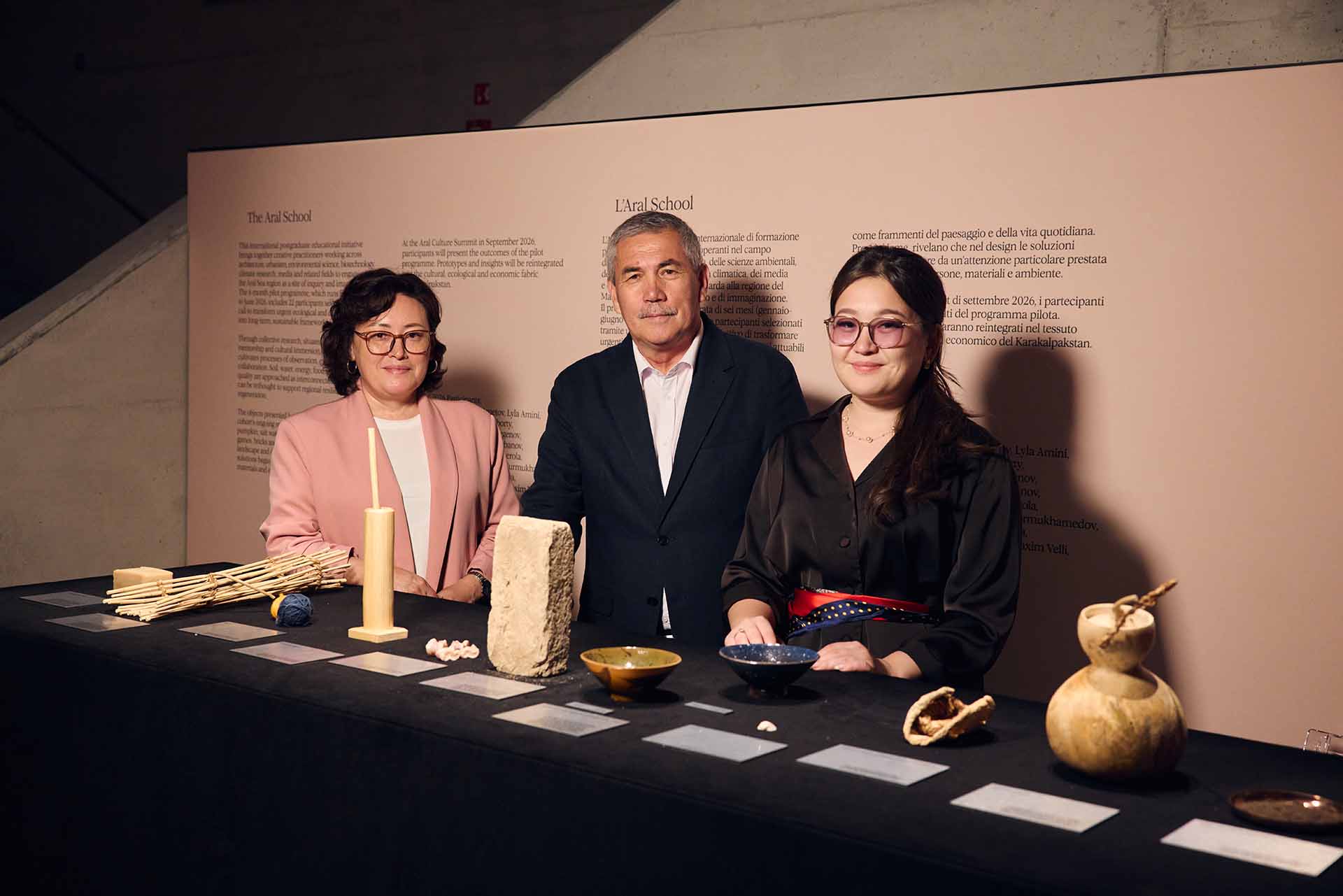
One section was dedicated to ACDF's longer-term work in the region: artefacts selected by participants of the Aral School, an ecological postgraduate programme based in Nukus; material about the Aral Culture Summit, a biennial gathering held in Karakalpakstan; and a dedicated room screening Where the Water Ends, directed by Manuel Correa and Marina Otero Verzier, in which residents of Karakalpakstan, the last generation to remember life alongside the sea, decide what rituals and memories to preserve.
Designer Commissions: Bread Stamps and Bread Trays
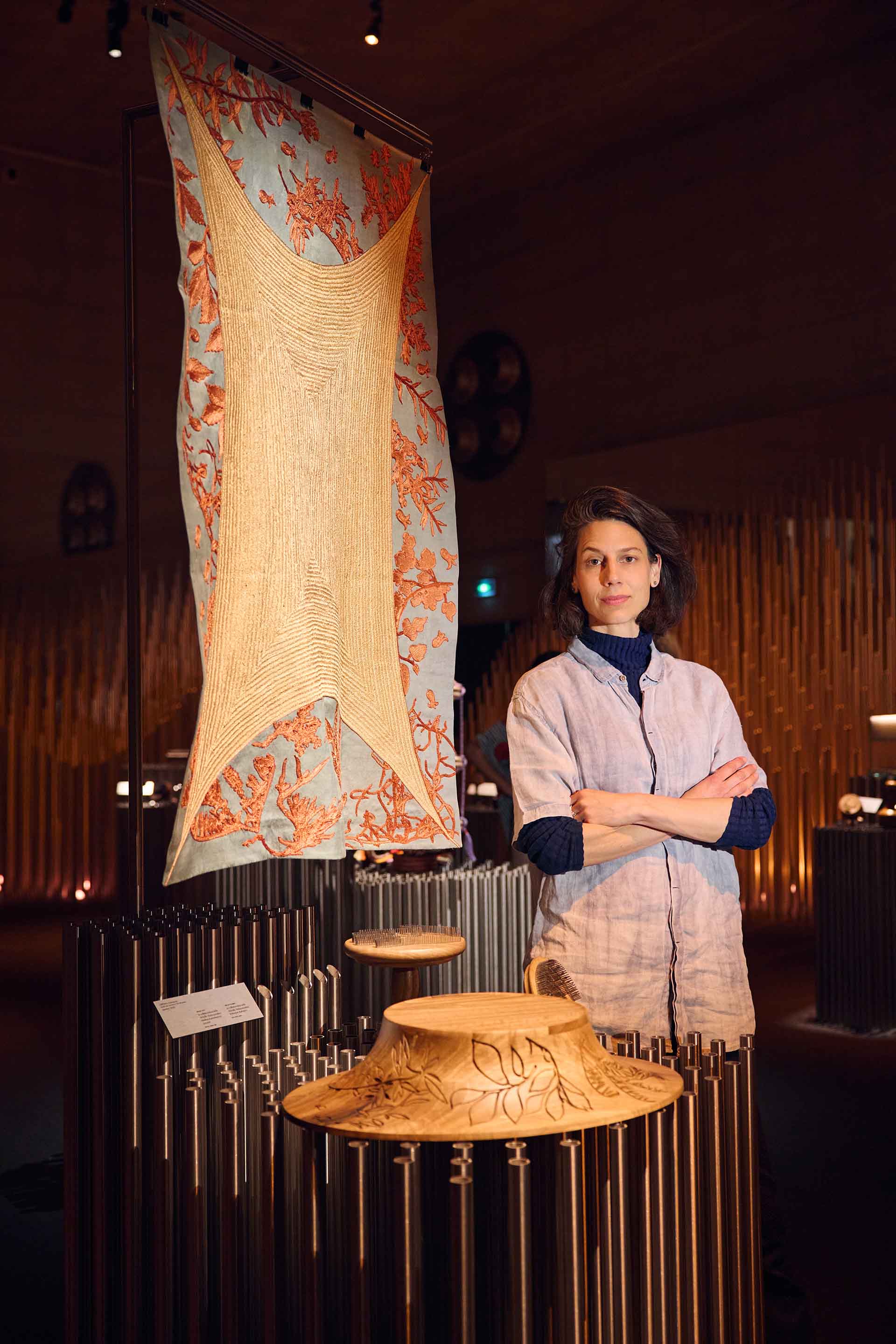
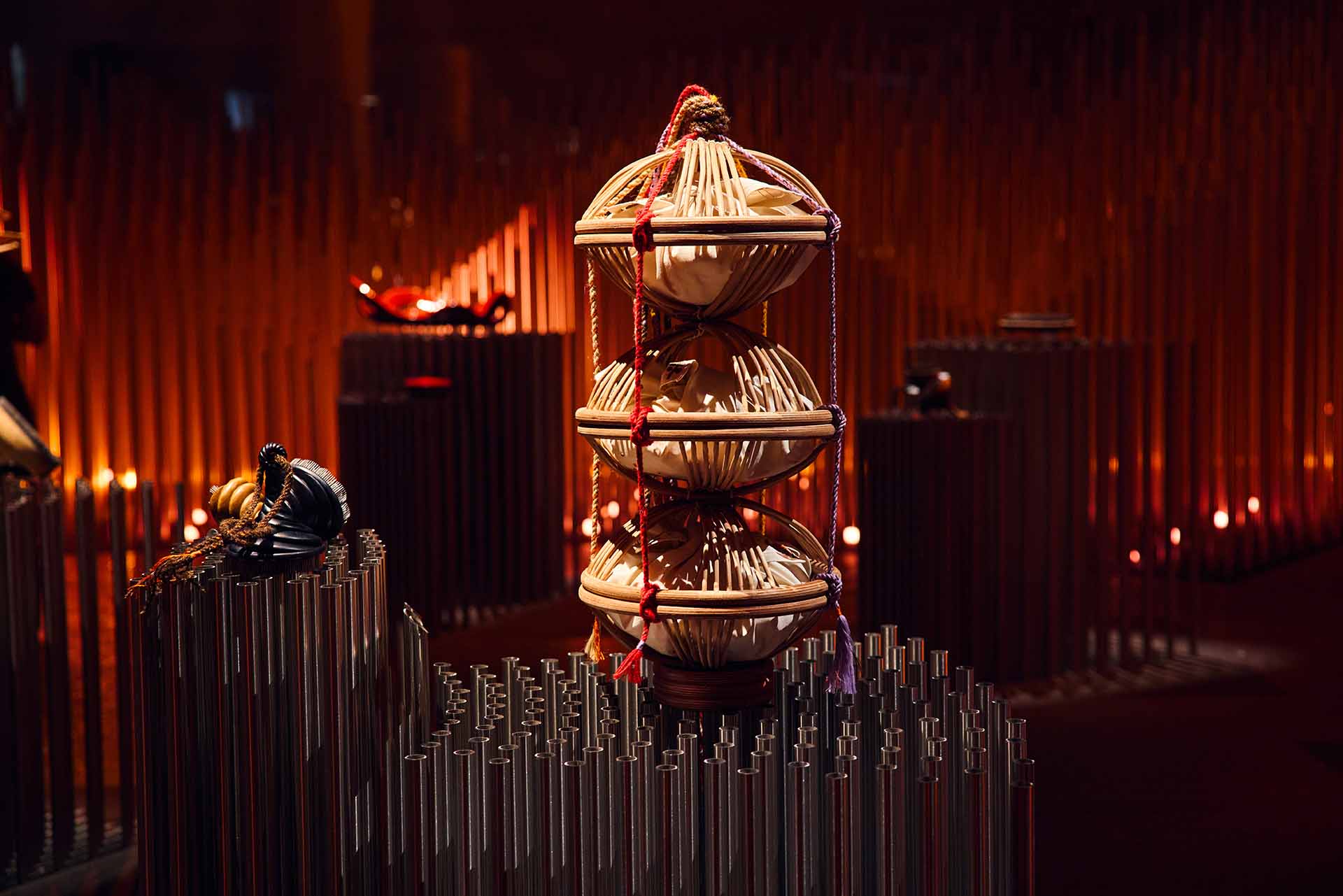
Twelve designers presented their commissions: Studio CoPain, Sevara Haydarova-Donazzan, Glithero, Bobir Klichev, Fernando Laposse, Nifemi Marcus-Bello, Raw Edges, Marcin Rusak, Sanne Visser, Bethan Laura Wood, Kulapat Yantrasast and Didi Ng Wing Yin. Approaches ranged from hand-twisted yarns and suzani embroidery to geometric ceramic forms.
Participating Artisans: Shukurjon Azimov, Nigora Amangeldieva, Boburjon Atabayev, Abdulla Abdurazzokov, Abdulvahid Bukhoriy, Otabek Gaybullayev, Madina Kasimbayeva, Nursultan Qosbergenov, Lyudmila Yusupova, Yorqinoy Yuldasheva, Biybisara Kunnazarova and Altinay Naubetova.
Staircase
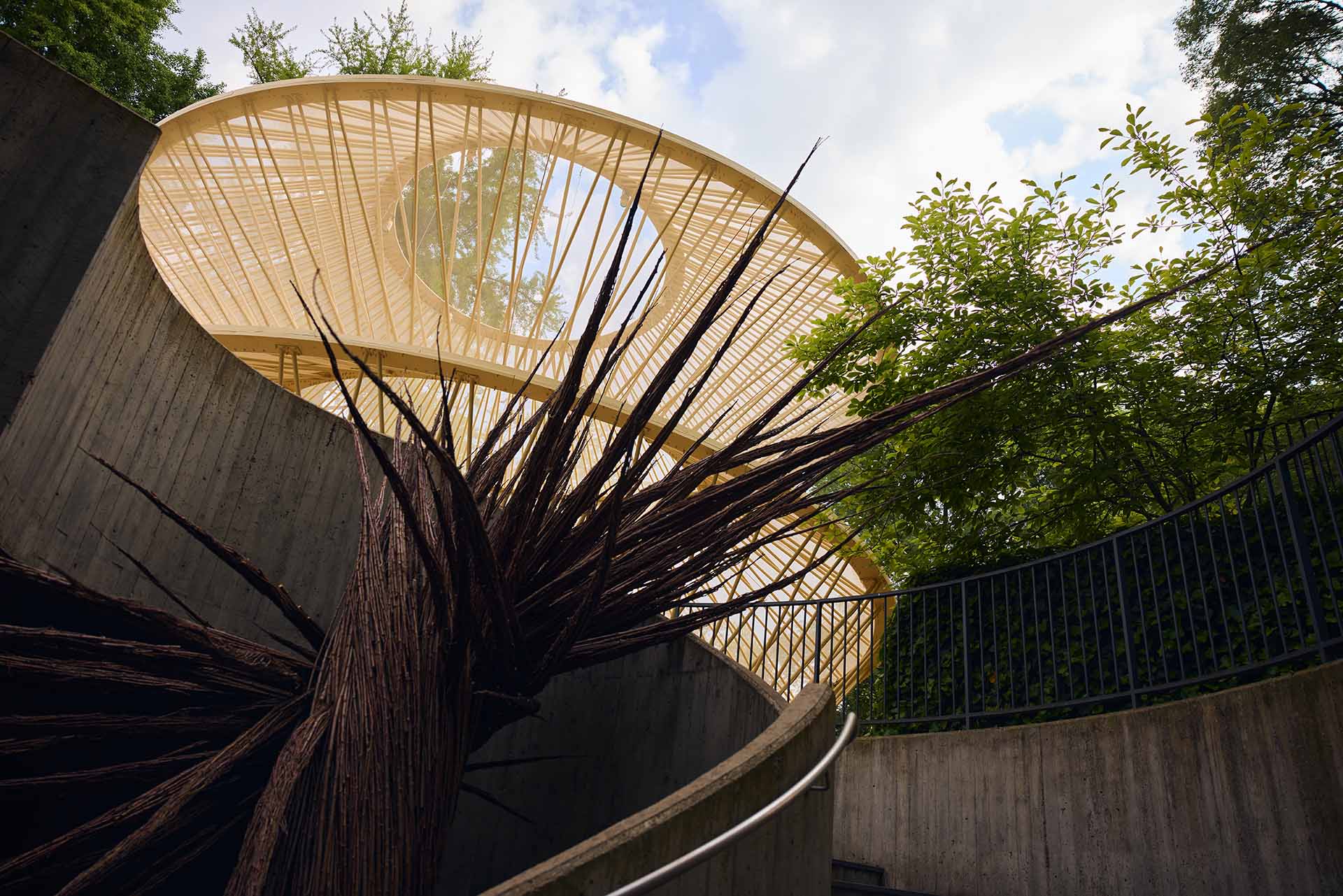
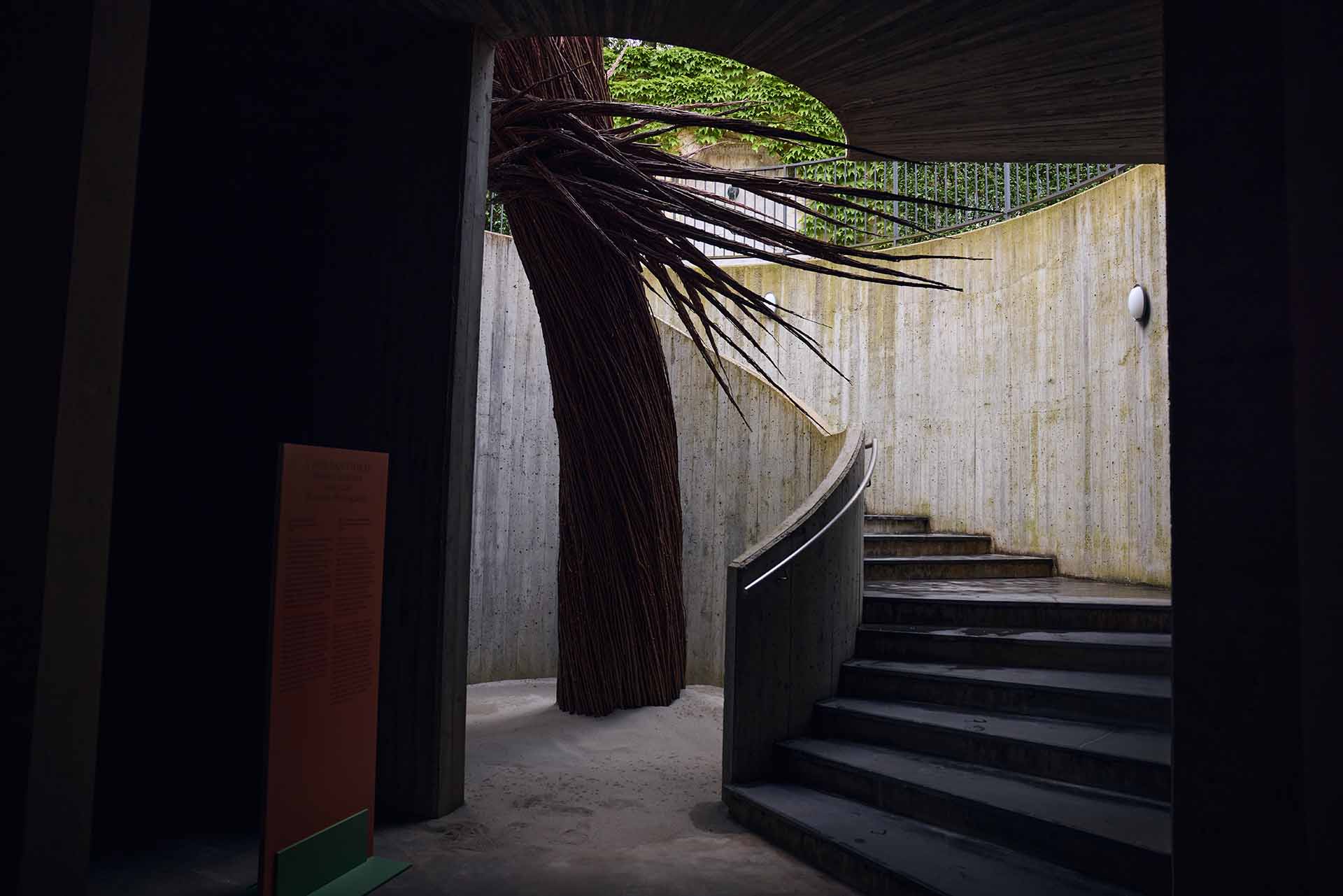
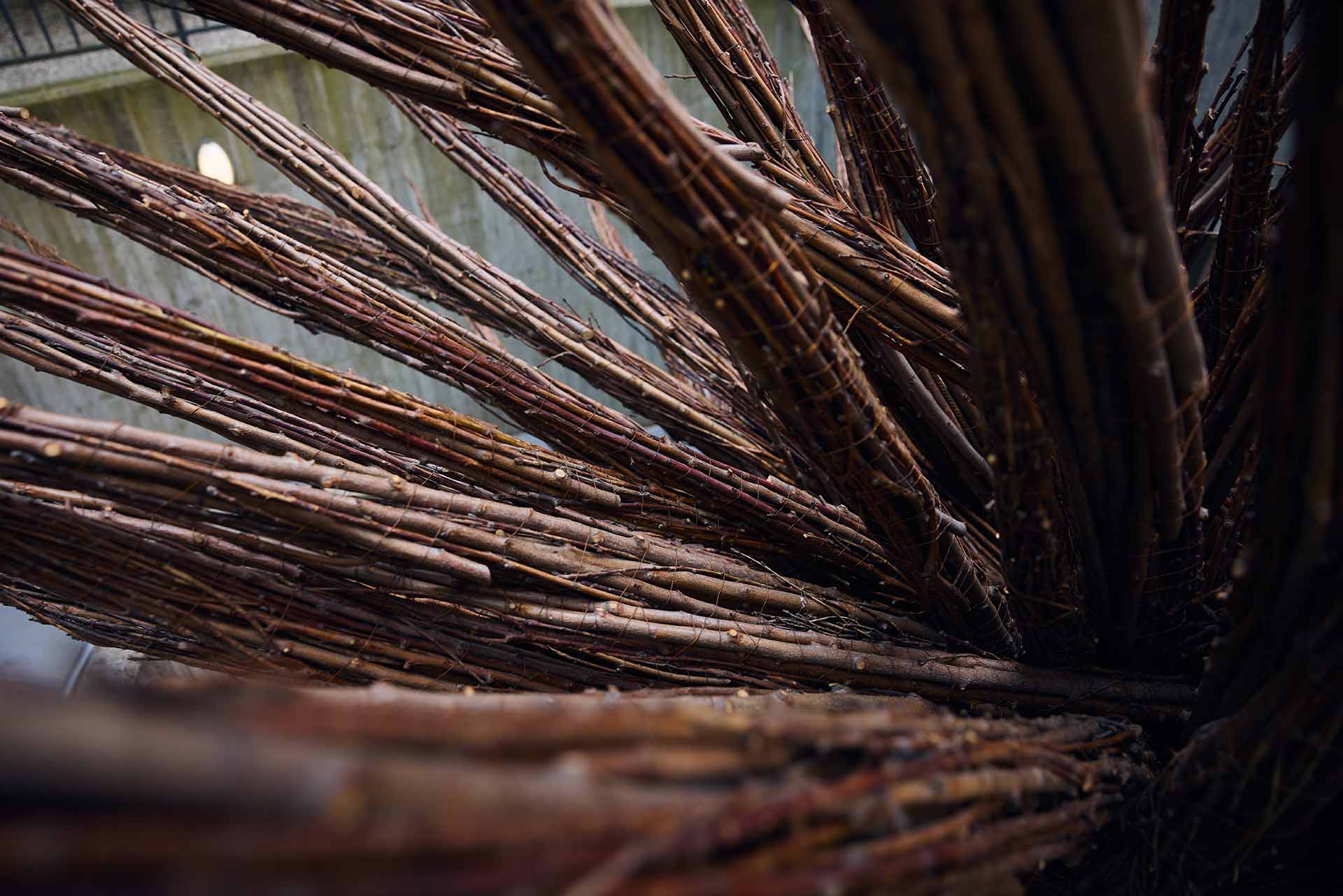
Rather than installing apricot trees in the space, Tashkent-based floral artist Ruben Saakyan and Roman Shtengauer created A Thousand Voices, a sculptural installation of apricot branches collected during the pruning season in Uzbekistan. This marked the transition from gallery to garden.
Garden Pavilion
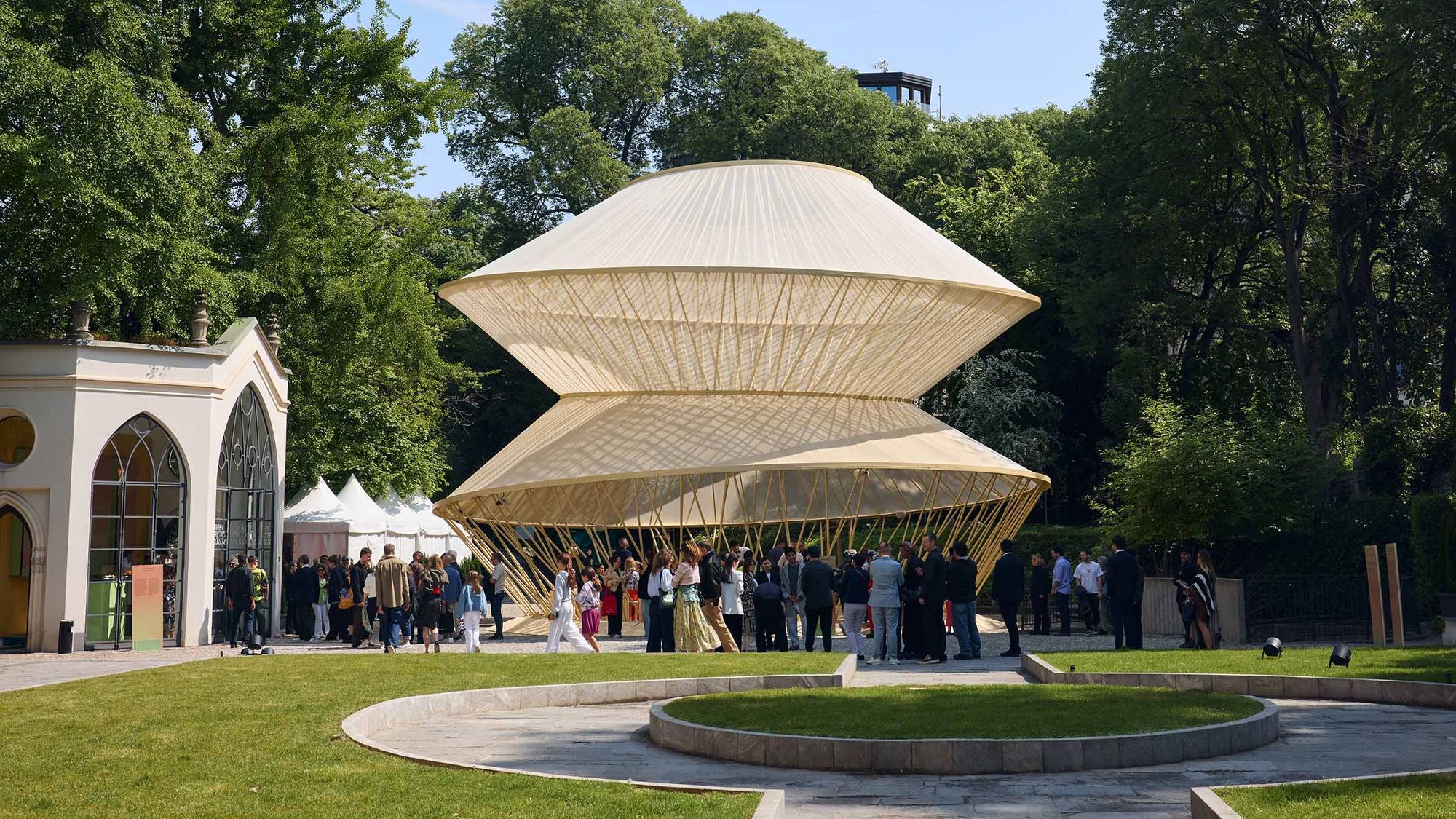
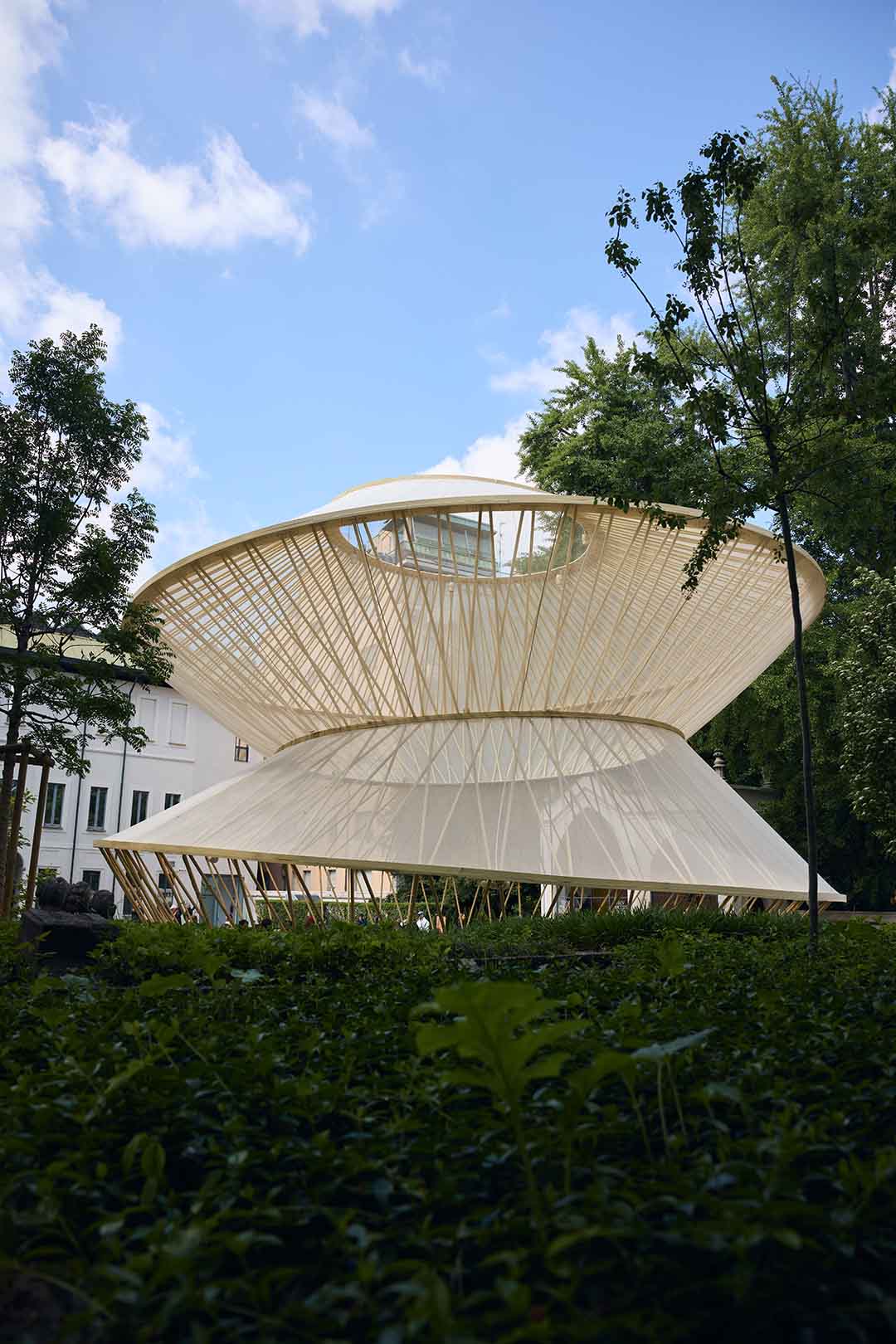
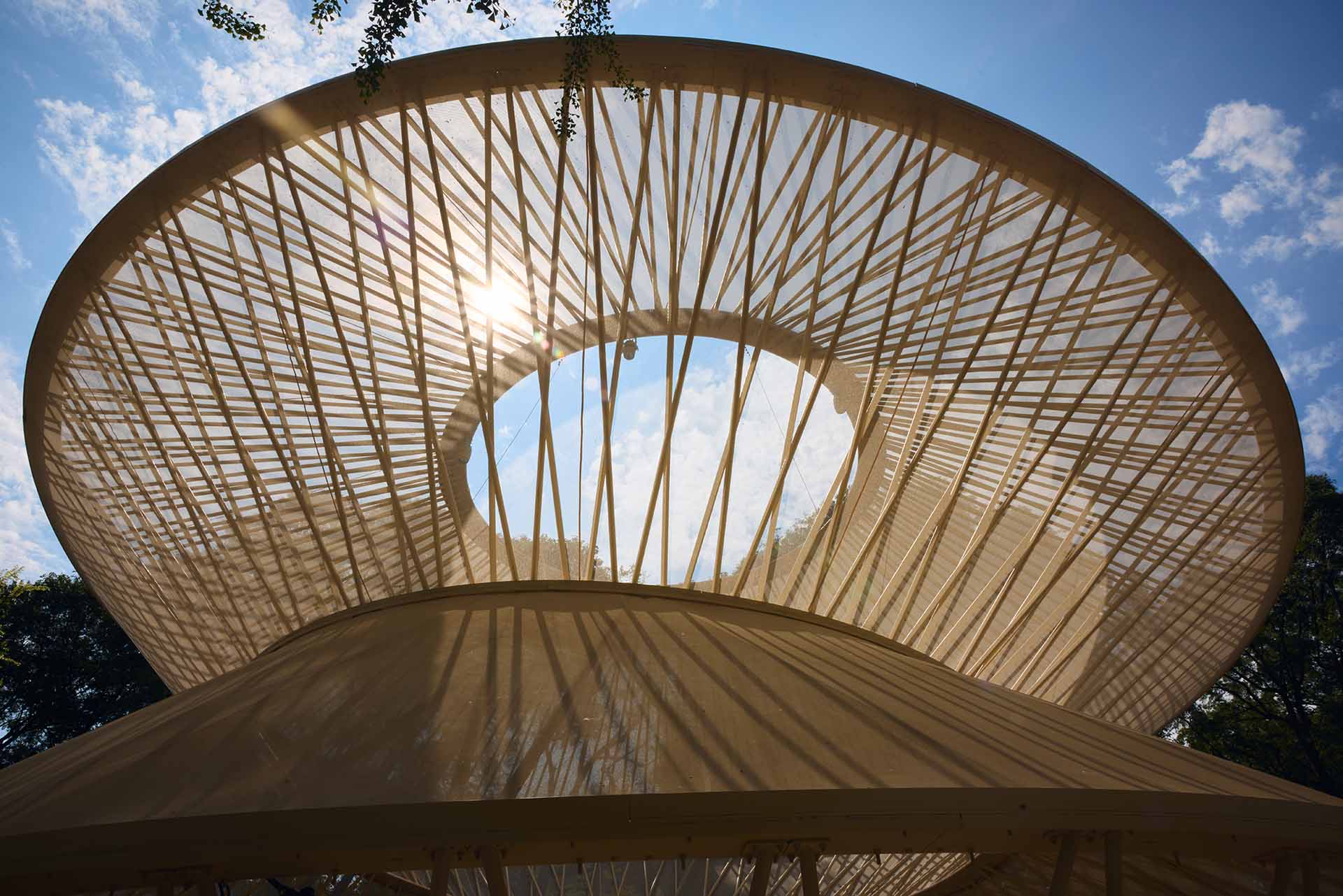
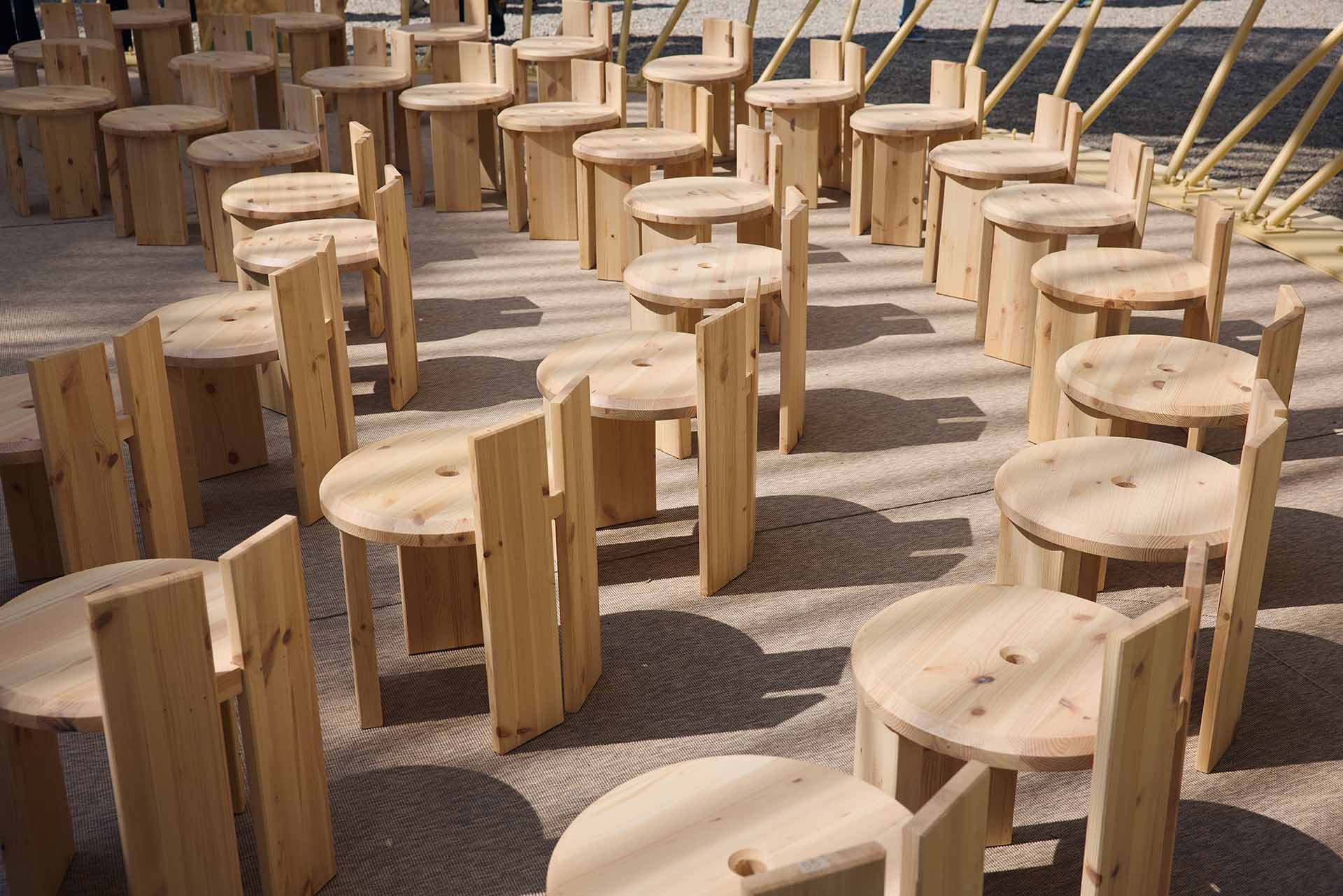
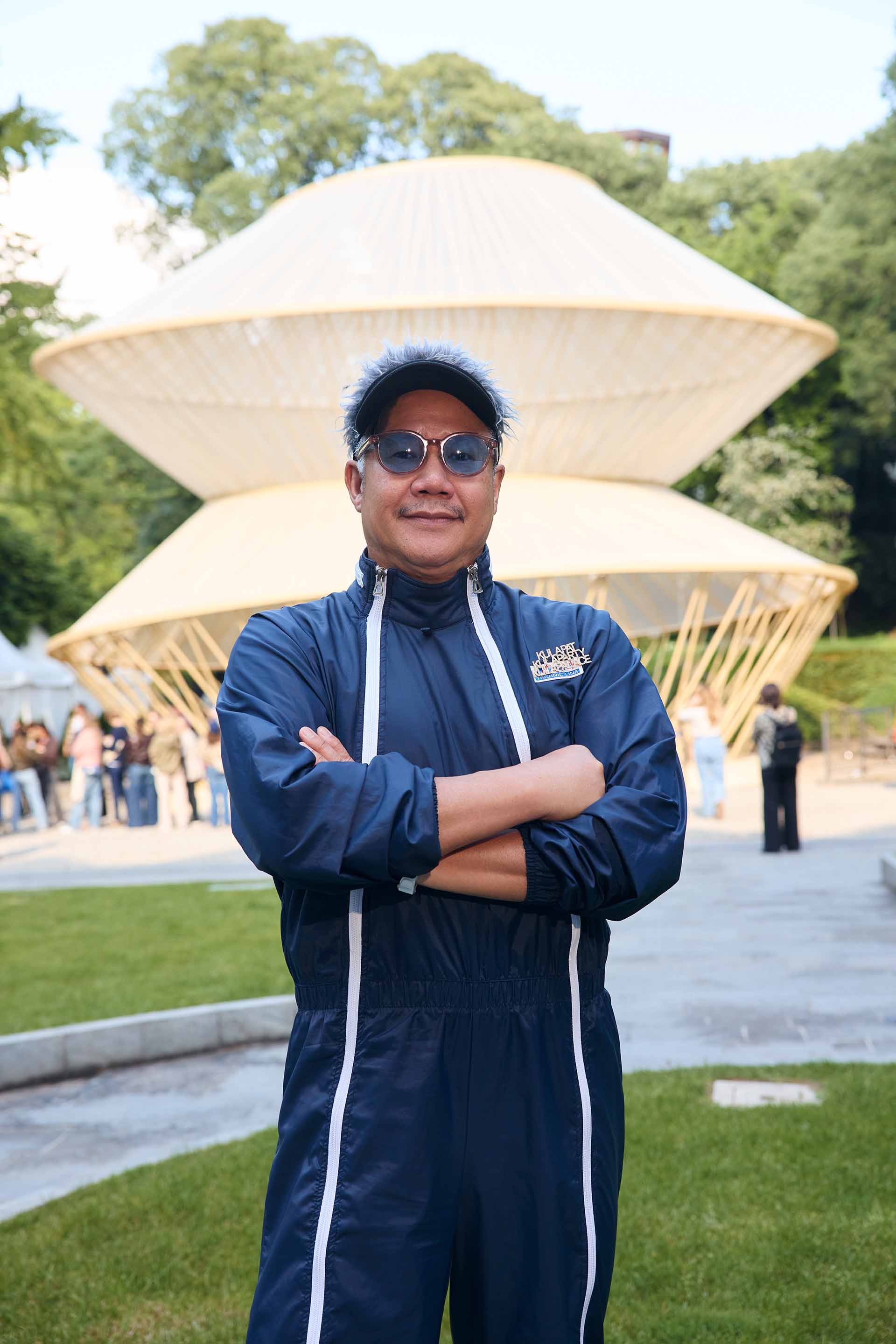
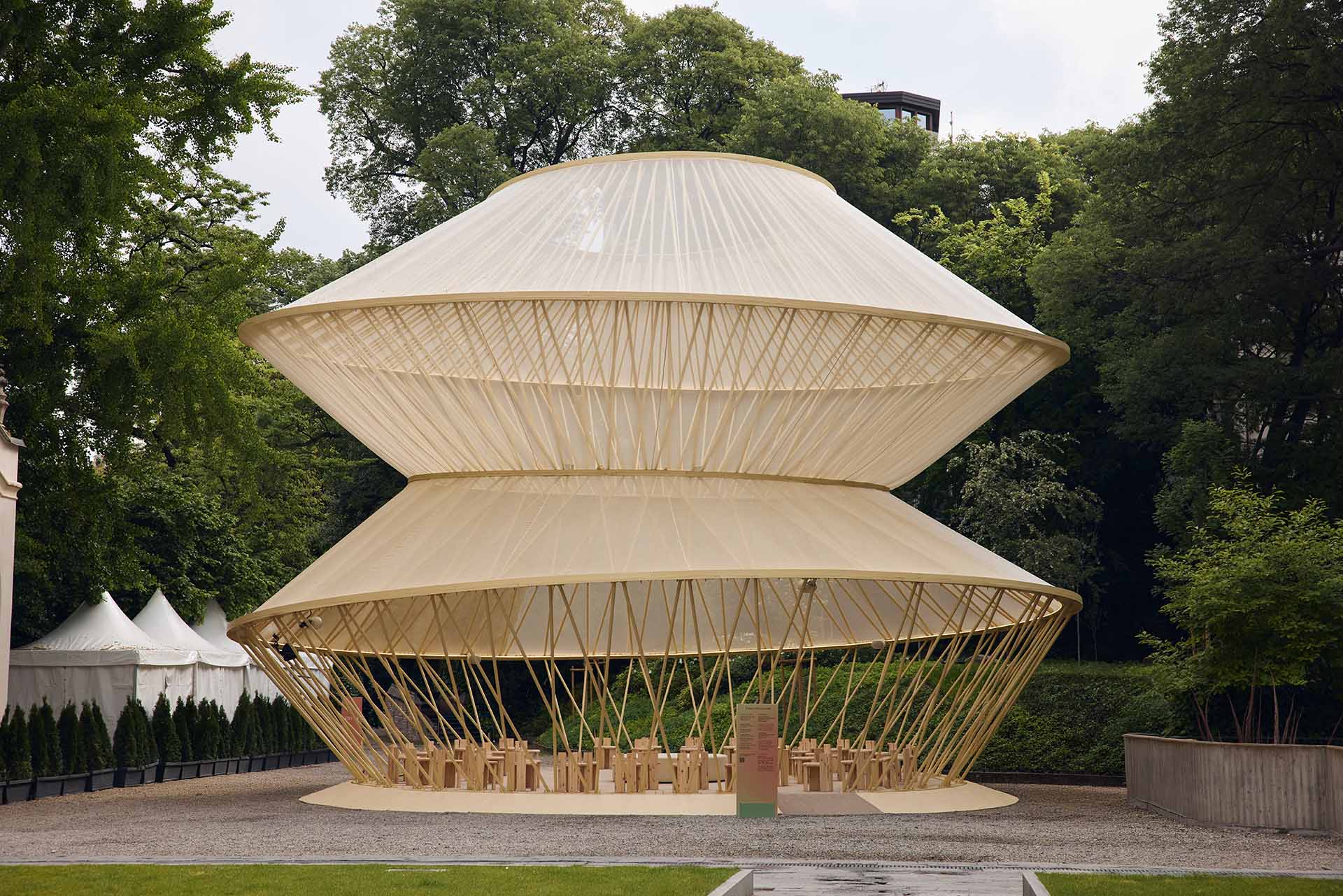
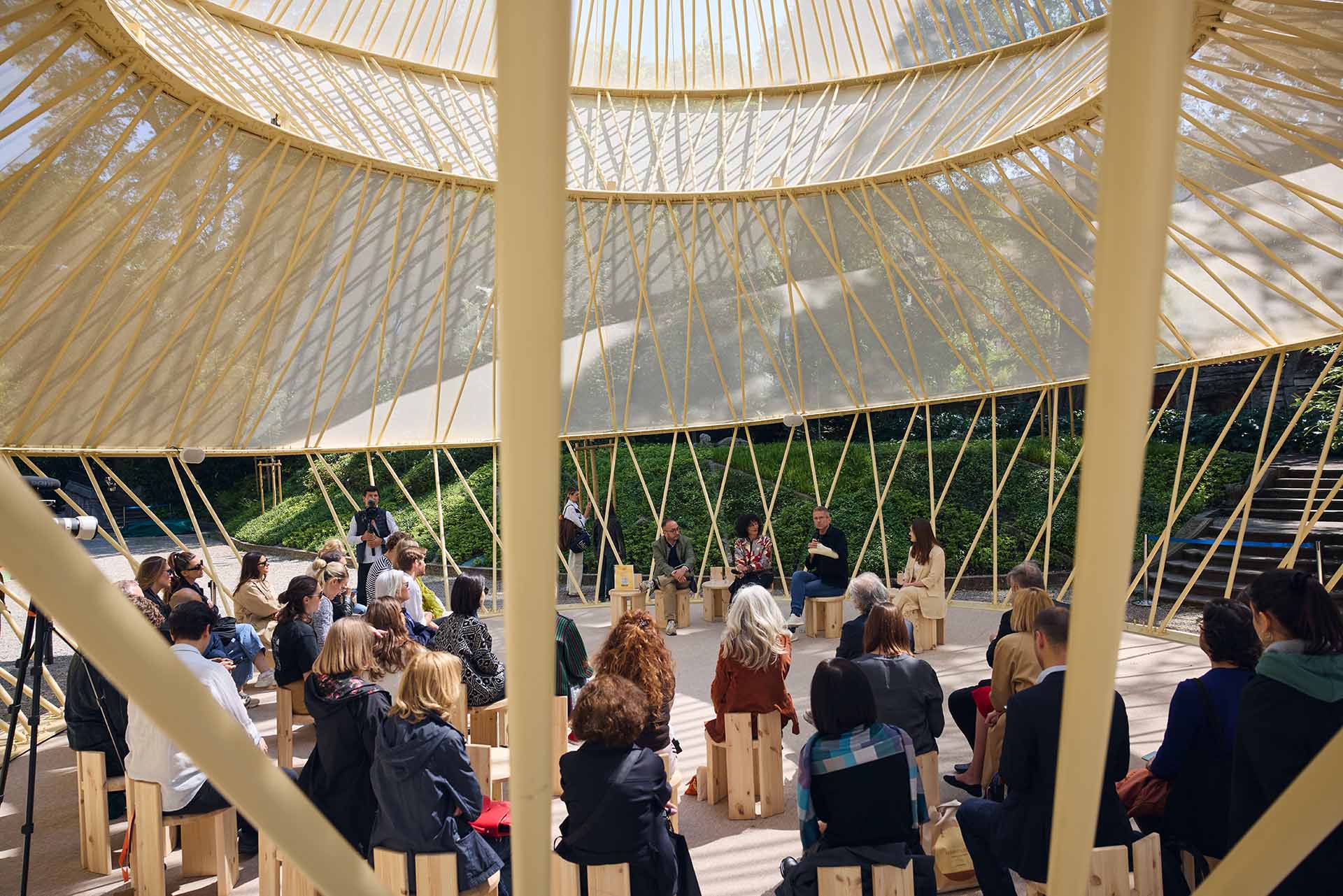
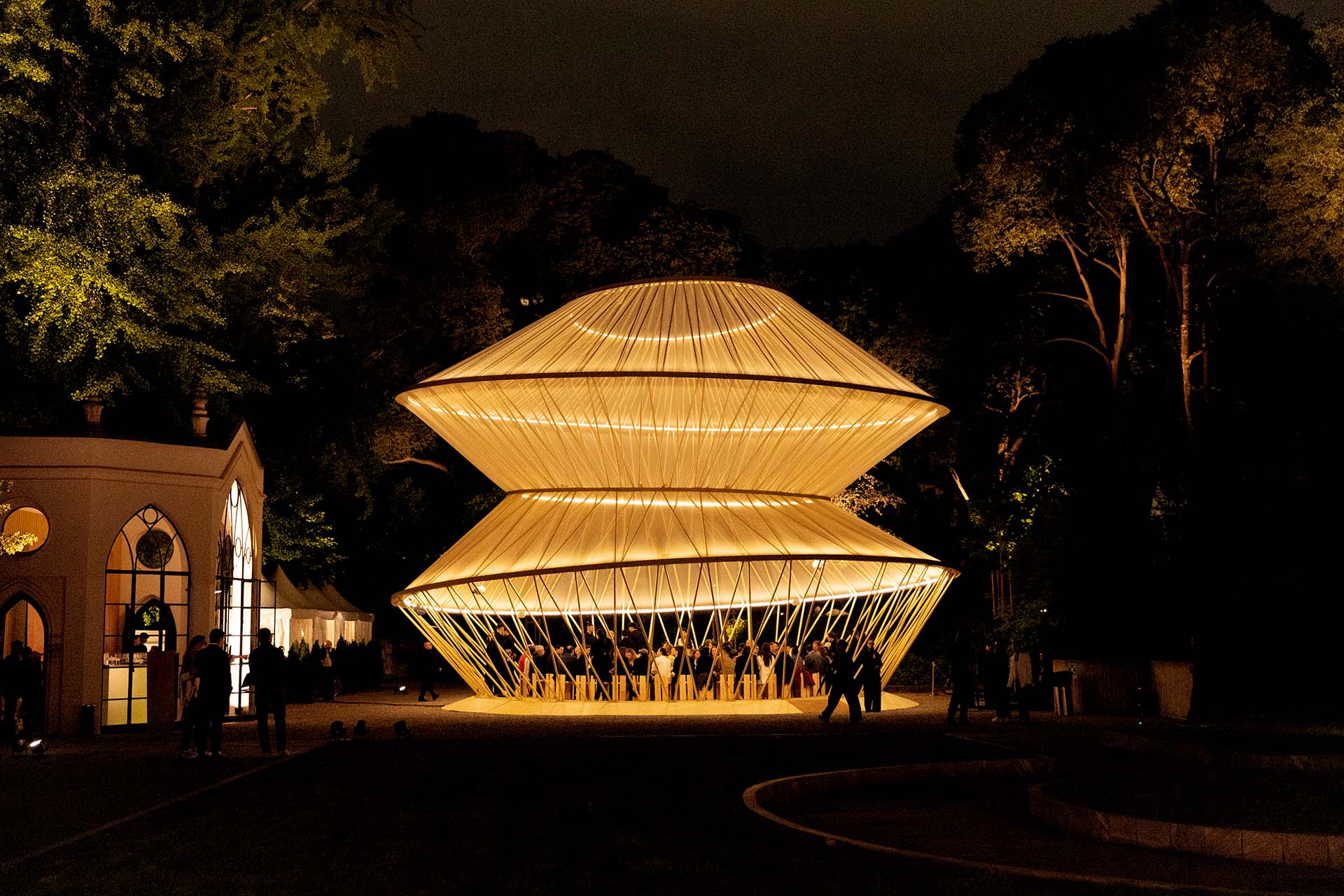
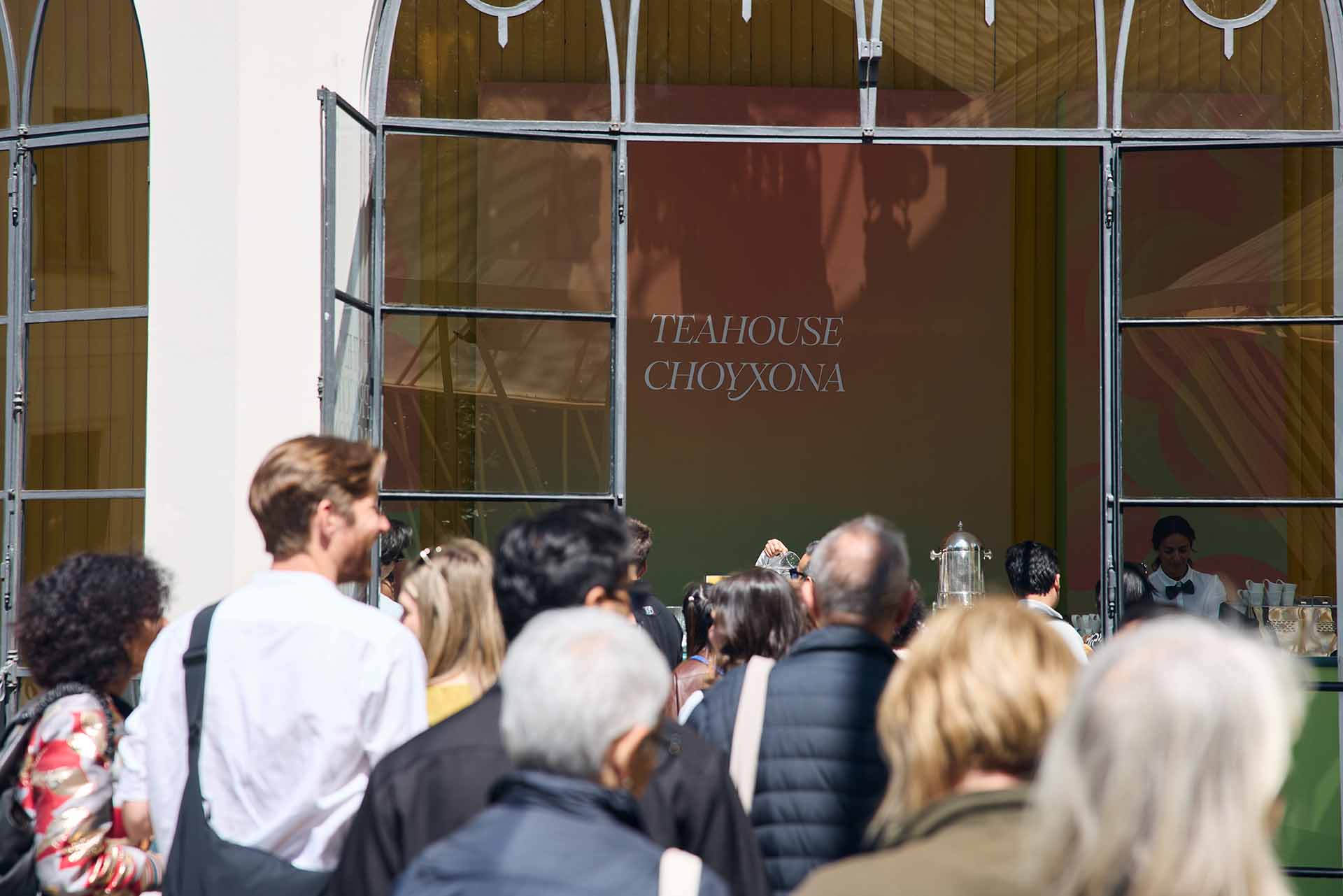
A 15-metre-wide structure of 500 steel elements encased in translucent fibre gauze, the Garden Pavilion was Yantrasast's contemporary reinterpretation of the Karakalpak yurt, conceived as a lightweight, deployable structure. It served as the social heart of the exhibition and the venue for the public programme. Next to it, an existing space was repurposed as a tea house to offer food and refreshments during key moments of the day.
Programming
Talks
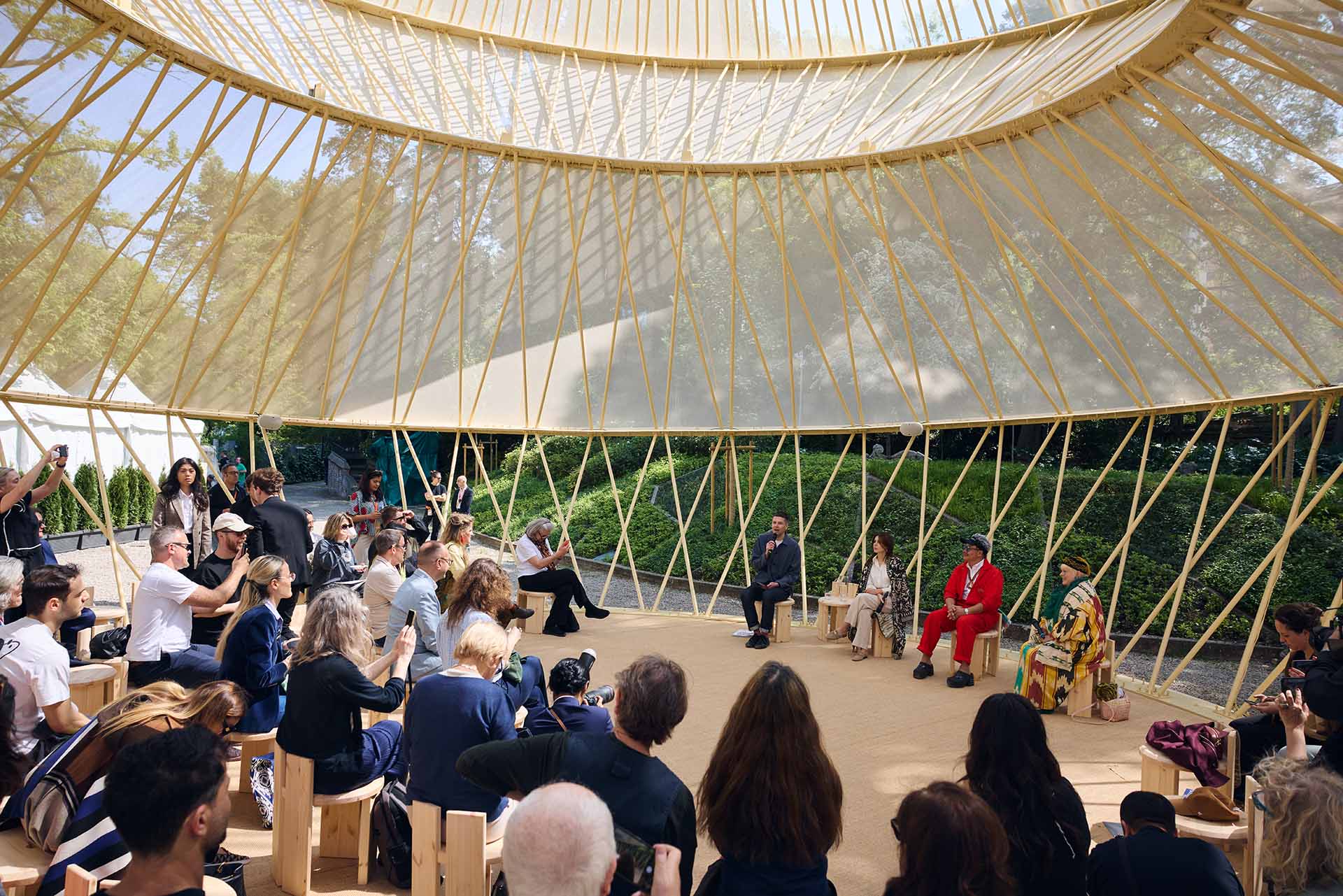
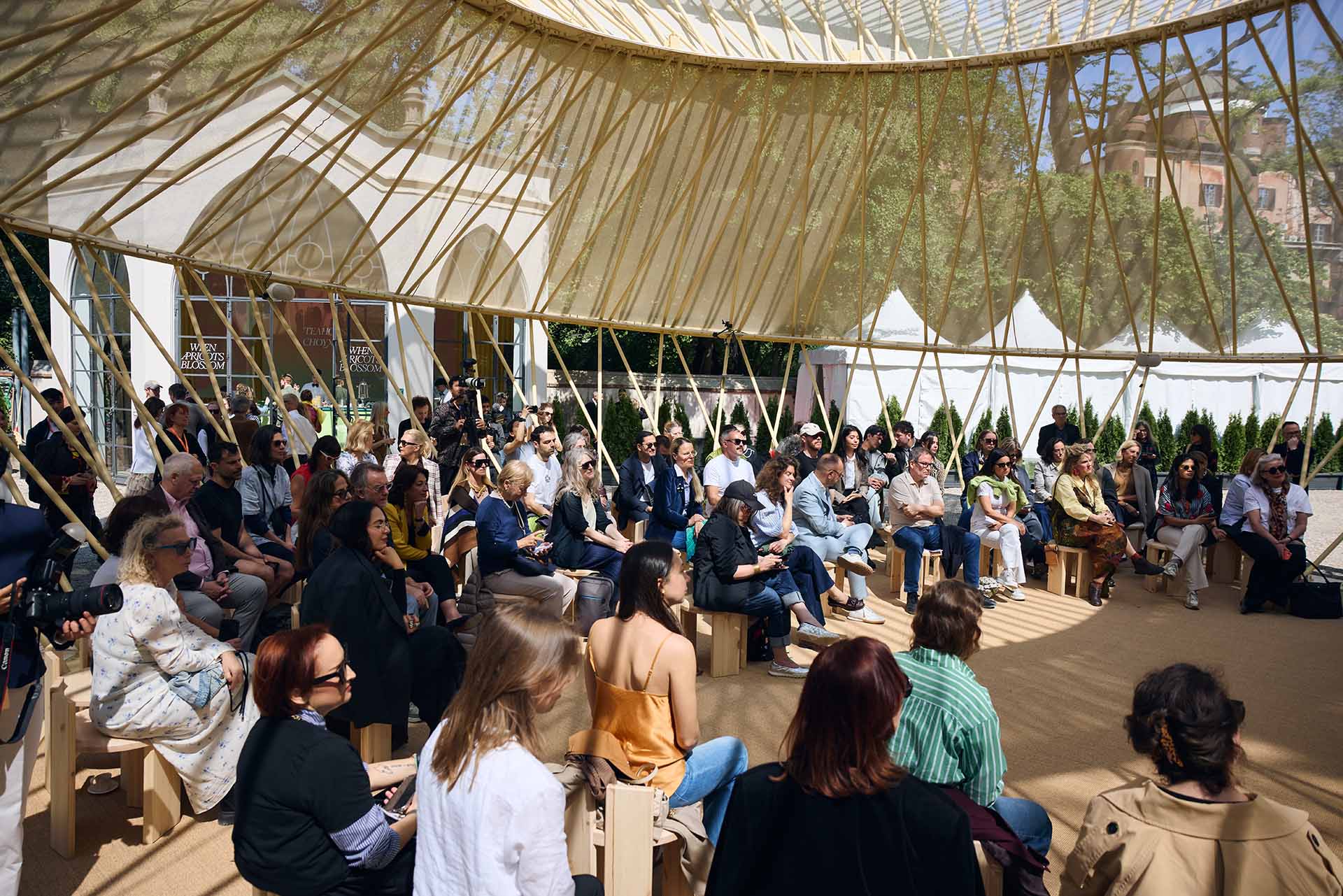
Five talks brought together designers, architects, curators and researchers to explore craft traditions, ecological thinking and the role of design in fragile environments. Speakers included Aric Chen (Director, Zaha Hadid Foundation), Carlo Ratti (Founding Partner, CRA-Carlo Ratti Associati, Curator Biennale Architettura 2025), Max Fraser (Editorial Director, Dezeen), Elena Kan (KIVA Center, Local Mentor of the Food Track, Aral School), Shirin Brückner (Architect) and Oktyabr Dospanov (Head of Archaeology, Savitsky Museum), alongside several of the exhibition's participating designers.
Workshops
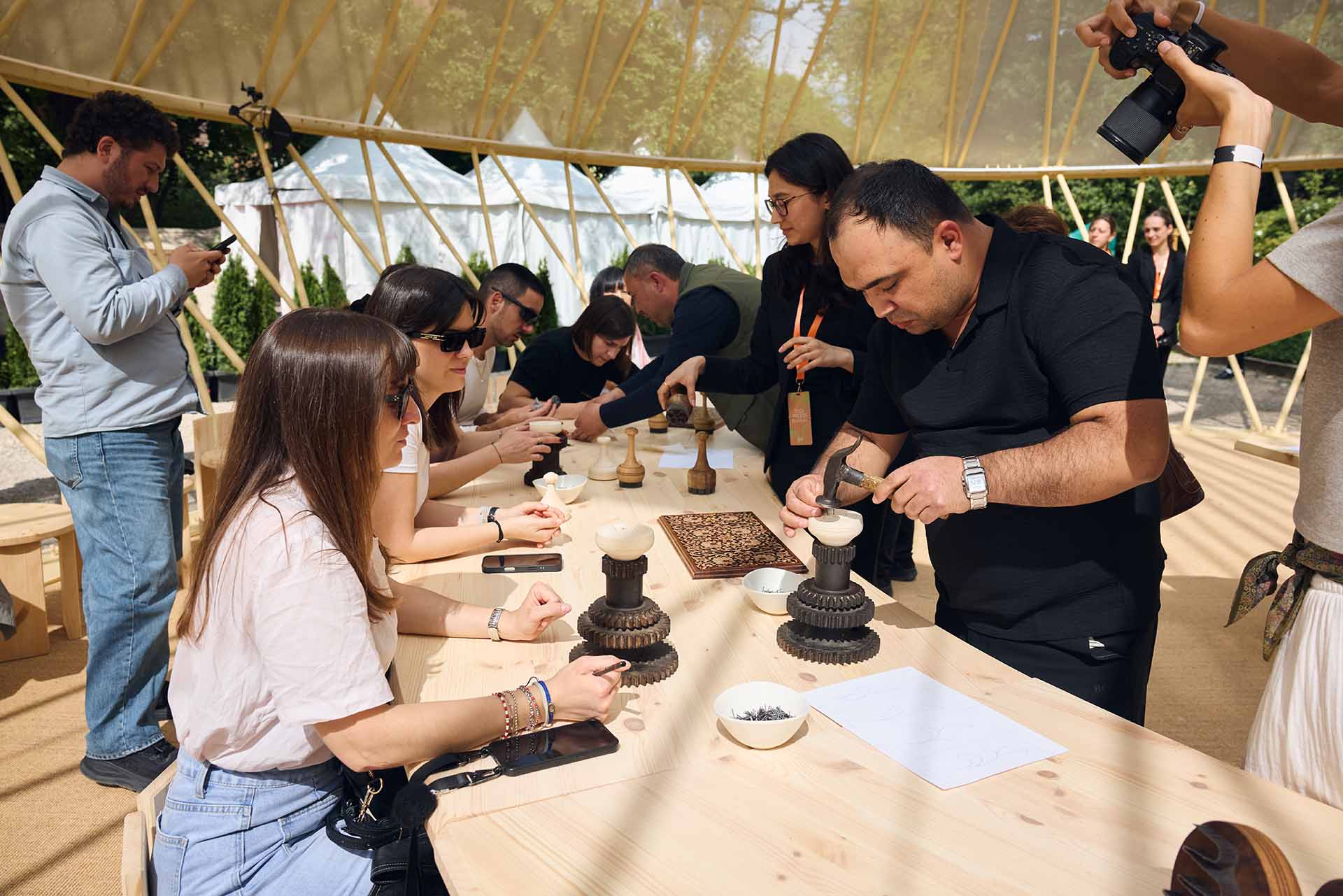
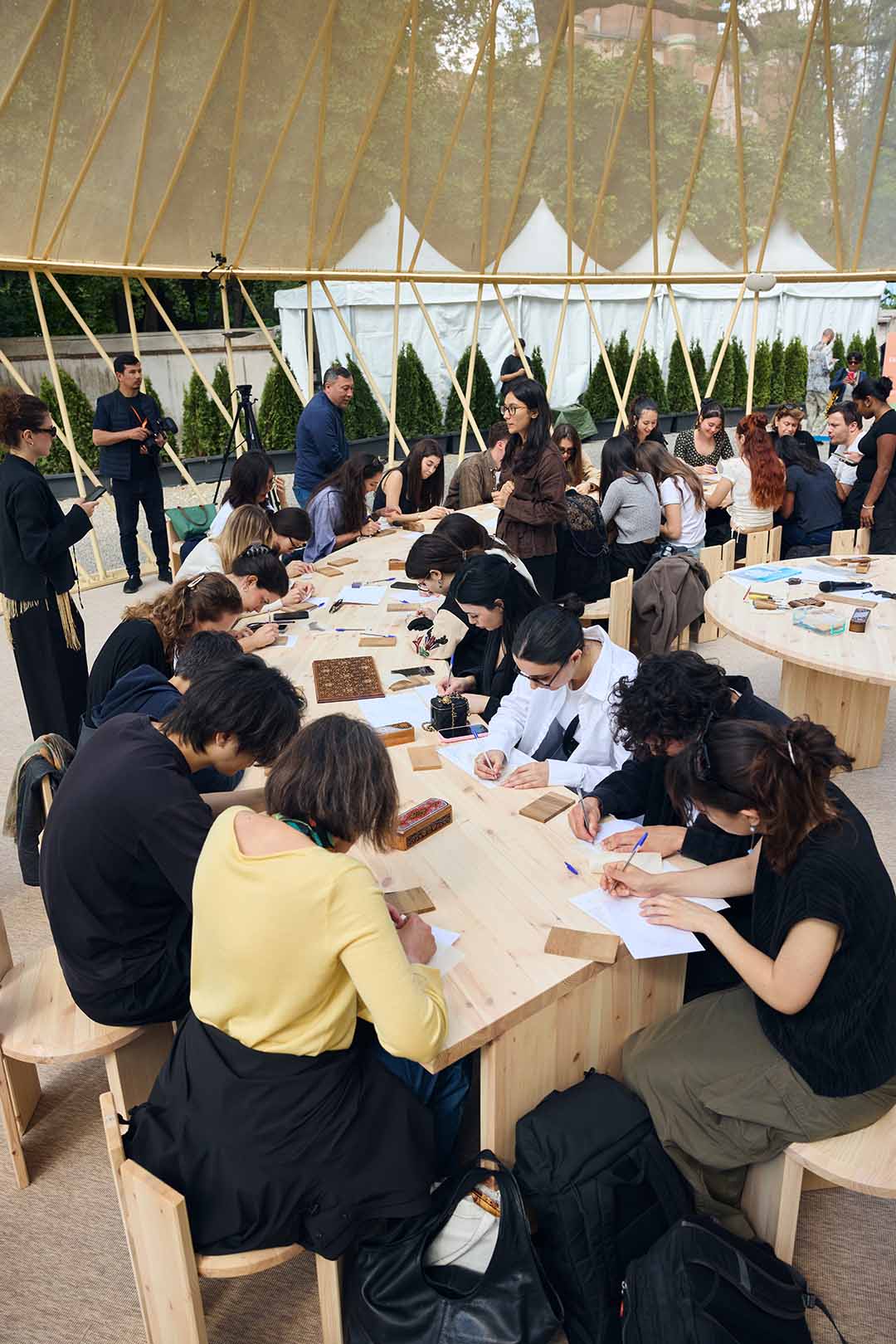
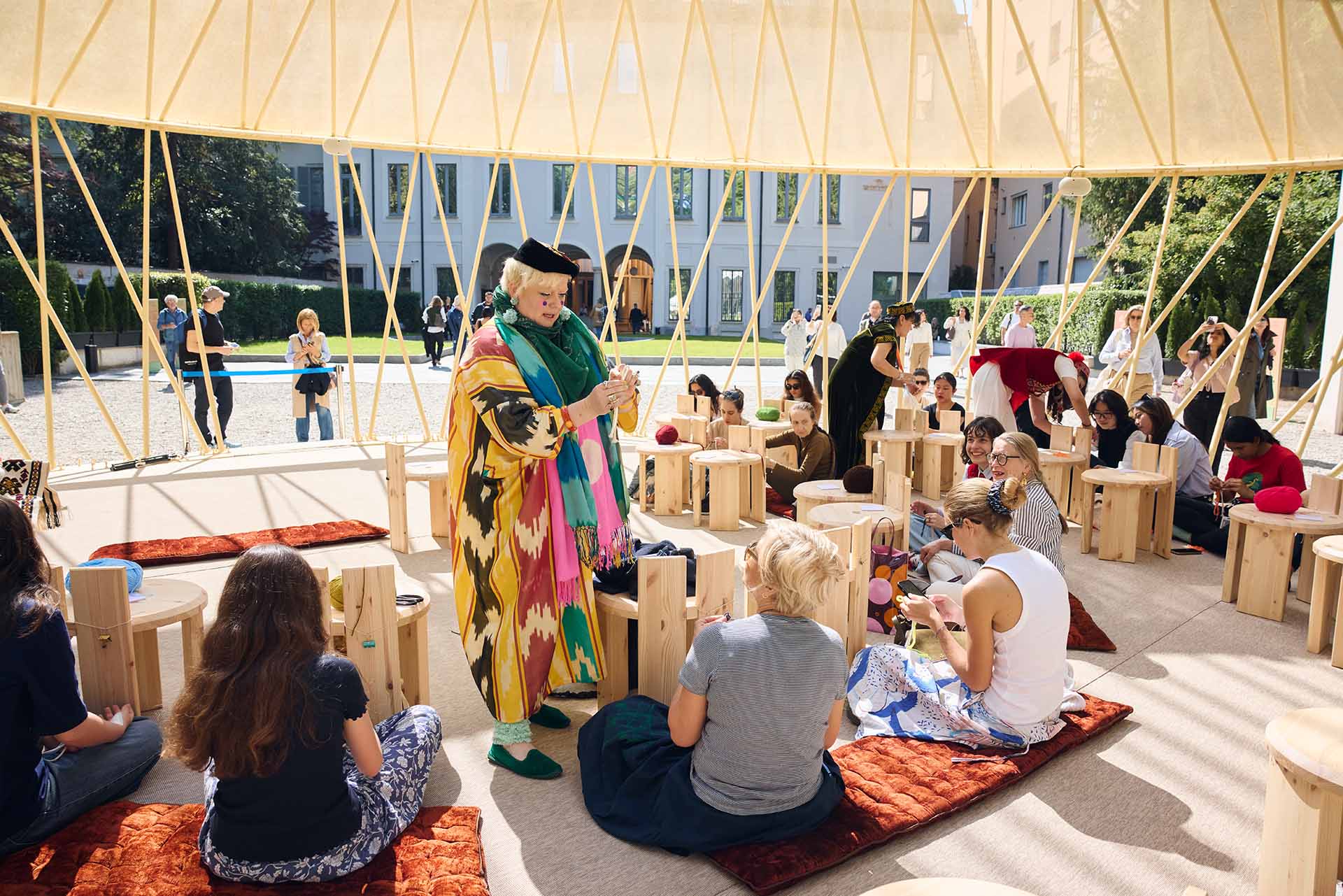
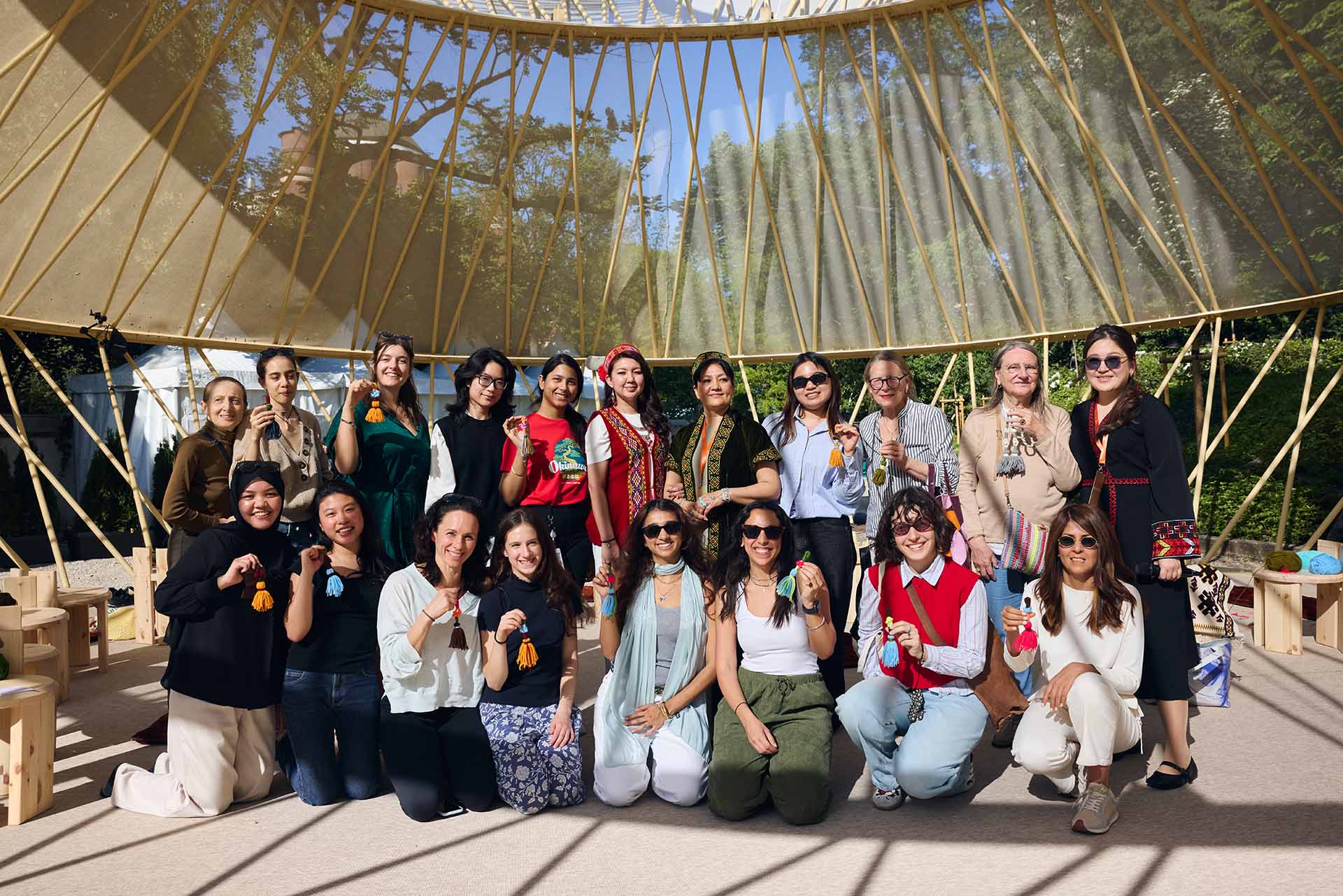
Seven workshops ran across the week: bread stamp carving, wood carving and tassel making, each led by master artisans from Uzbekistan and open to the public.
Special Events
The programme included an opening dinner and a private breakfast with AD Italia, held in the Garden Pavilion.
Uzbek Presence
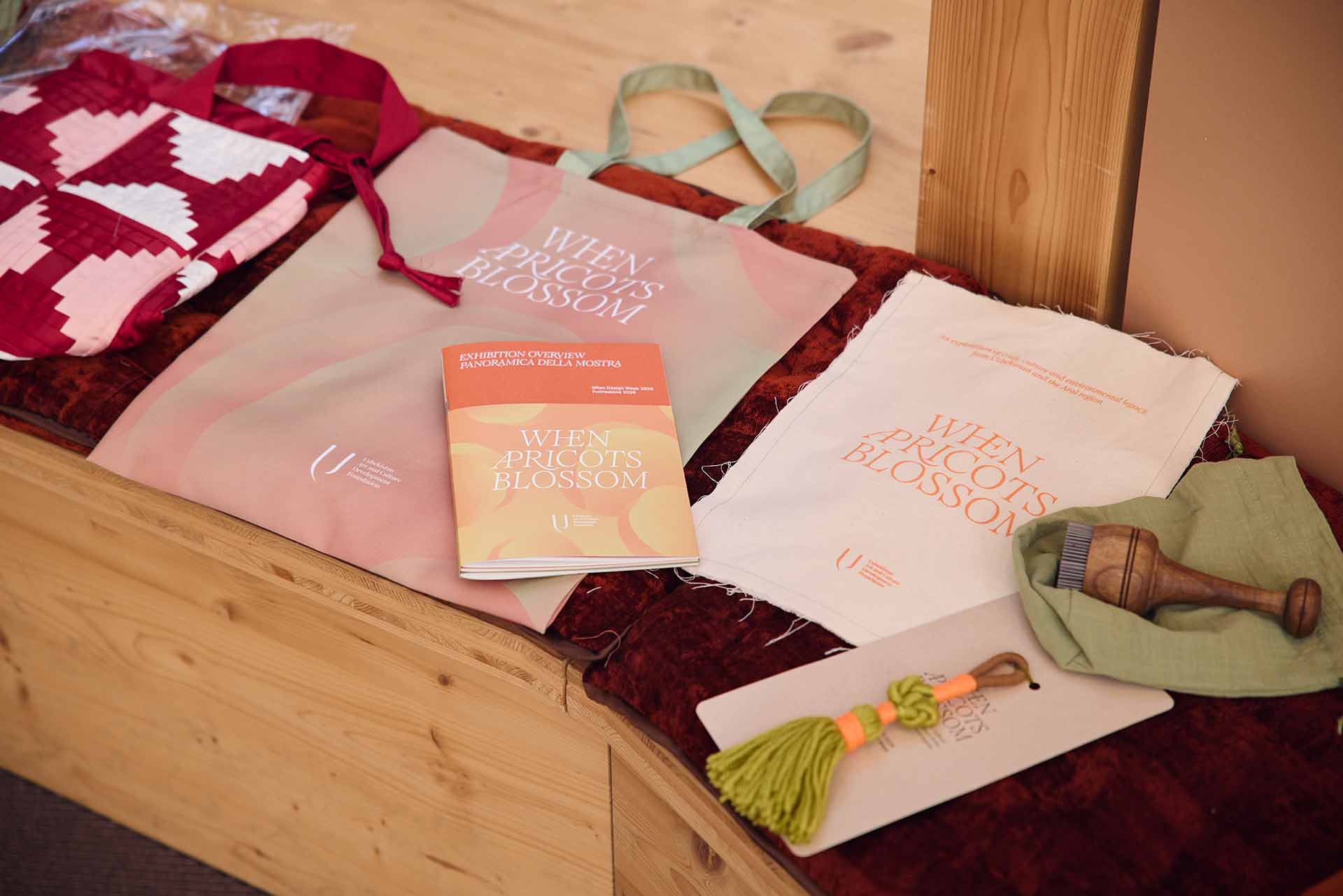
A distinctive quality of the exhibition was the continuous presence of Uzbek and Karakalpak designers, architects, artisans, academics and members of the ACDF team throughout the week. Visitors could speak directly with practitioners who lived and worked in the region, hearing first-hand accounts of Karakalpakstan's craft traditions, landscapes and communities. This was supported by Uzbek hospitality: food, drink and gifts including tote bags and bread stamps offered a tangible connection to the culture on display.
Results
The exhibition welcomed 25,000 visitors over its seven-day run. It was shortlisted for the main Fuorisalone Award and received the Special Mention from the Fuorisalone Media Partners jury. Primary media partners were Dezeen and AD Italia, with special collaborations with Designboom, ArchDaily, Interni, Artribune and Exibart, and presence in the design specials by Corriere della Sera and La Repubblica.
Following the exhibition, the Garden Pavilion was invited by Pinacoteca di Brera to remain at Palazzo Citterio for a further two months, extending its presence to the end of July 2026. It will subsequently be relocated to Nukus, where it will become part of a creative park. The collection of designer commissions returns to Uzbekistan for presentation later in 2026.
A printed catalogue was produced to accompany the exhibition. Graphic design, exhibition branding and identity, including signage and all printed materials, were by the Milanese Studio Pupilla.
My Role
As part of The Crosses, I was creative producer and digital strategist for the exhibition. I coordinated the public programme, led media partnerships, and managed the relationship with Palazzo Citterio. This included managing speakers, artisans and logistics across five talks and seven workshops, and negotiating media partnerships with Dezeen and AD Italia. I also conducted public and private tours of the exhibition for general visitors and key stakeholders.
Photos courtesy of ACDF