
WAJOY at Collect Art Fair 2026

WAJOY (website, instagram) is a new cultural platform founded and directed by Mayumi Tachikawa to connect Japanese craft traditions with international contemporary art audiences. Rather than framing craft as heritage, WAJOY positions it as a living practice addressing present-day concerns around material, time, and sustainability.
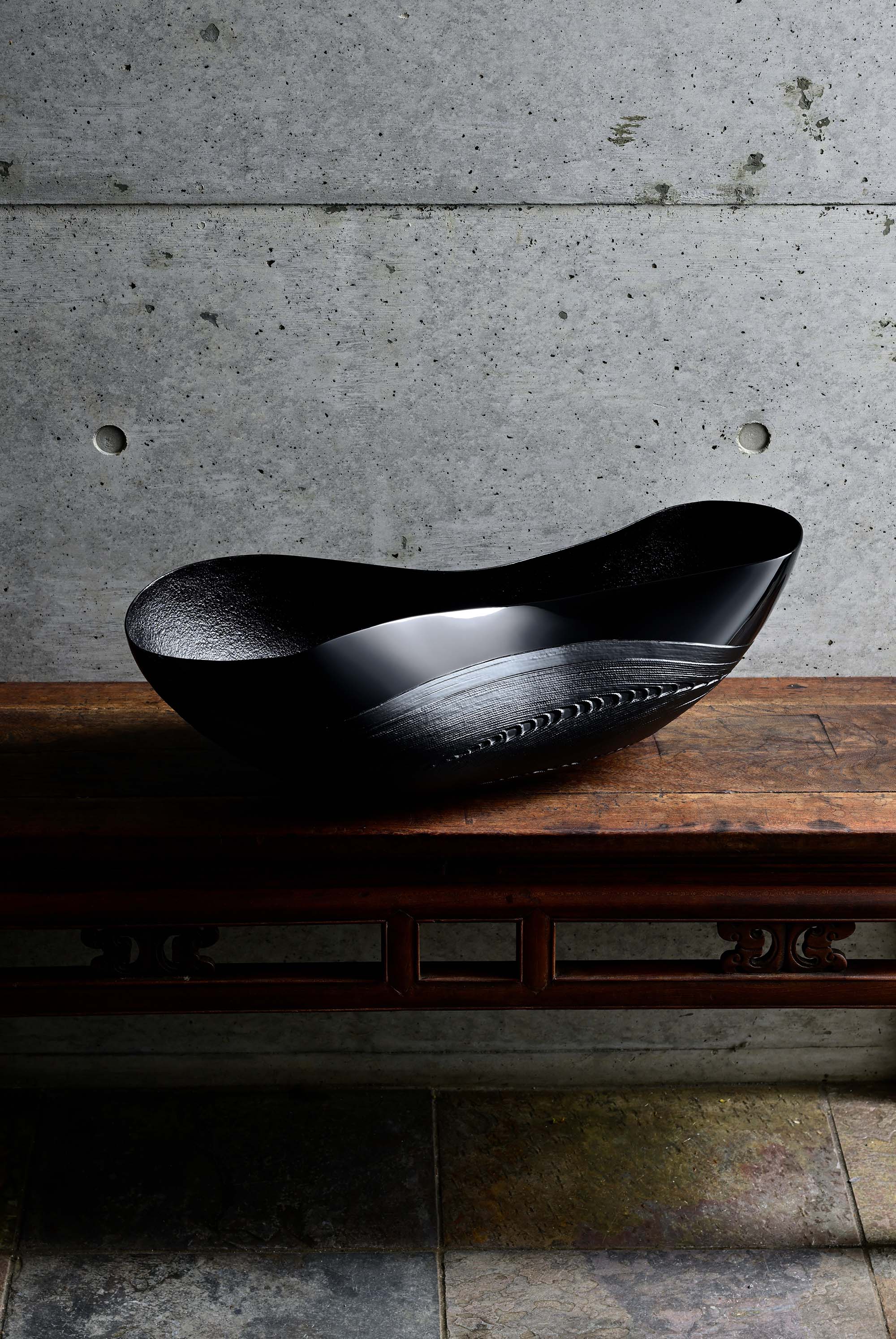
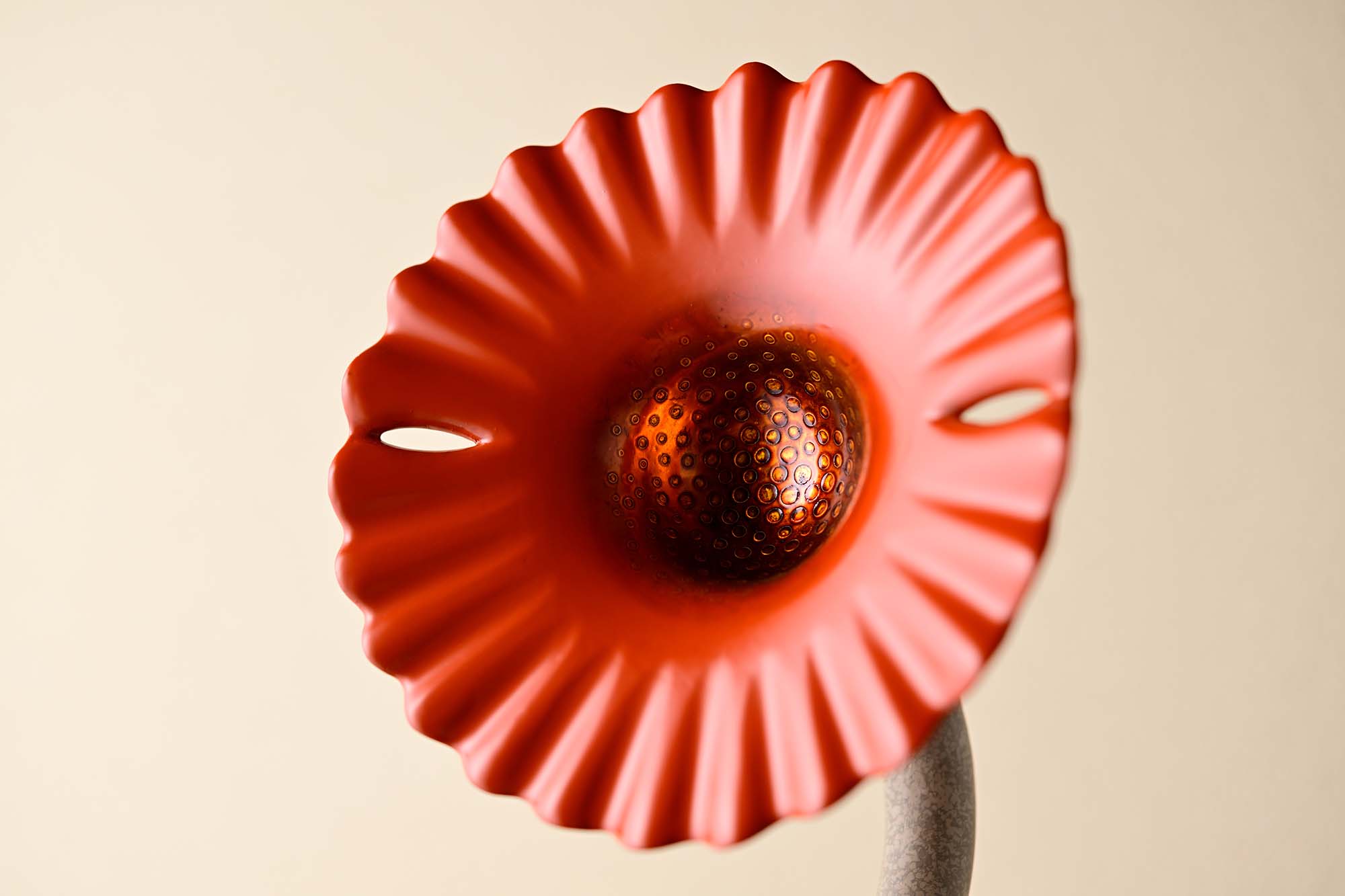
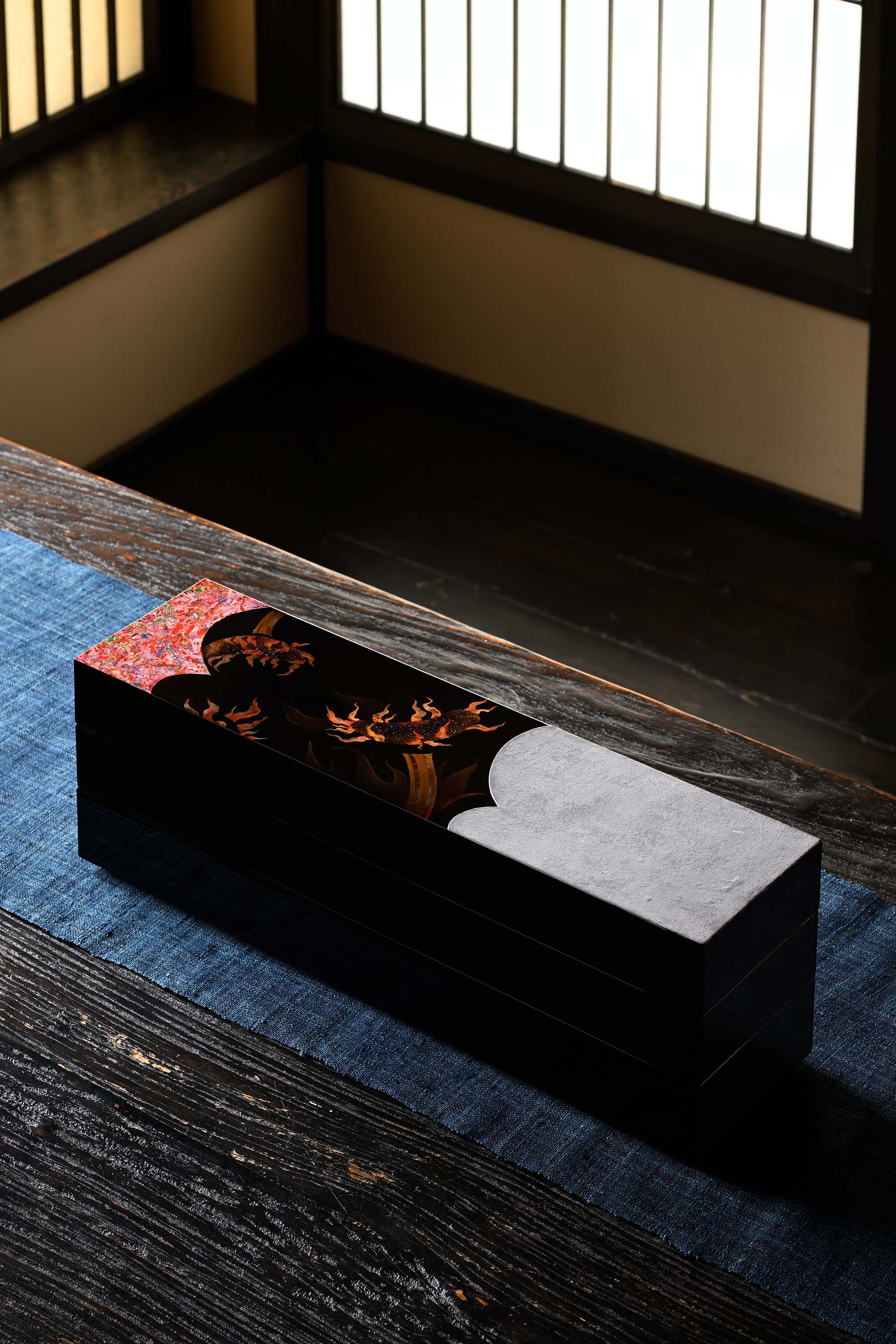
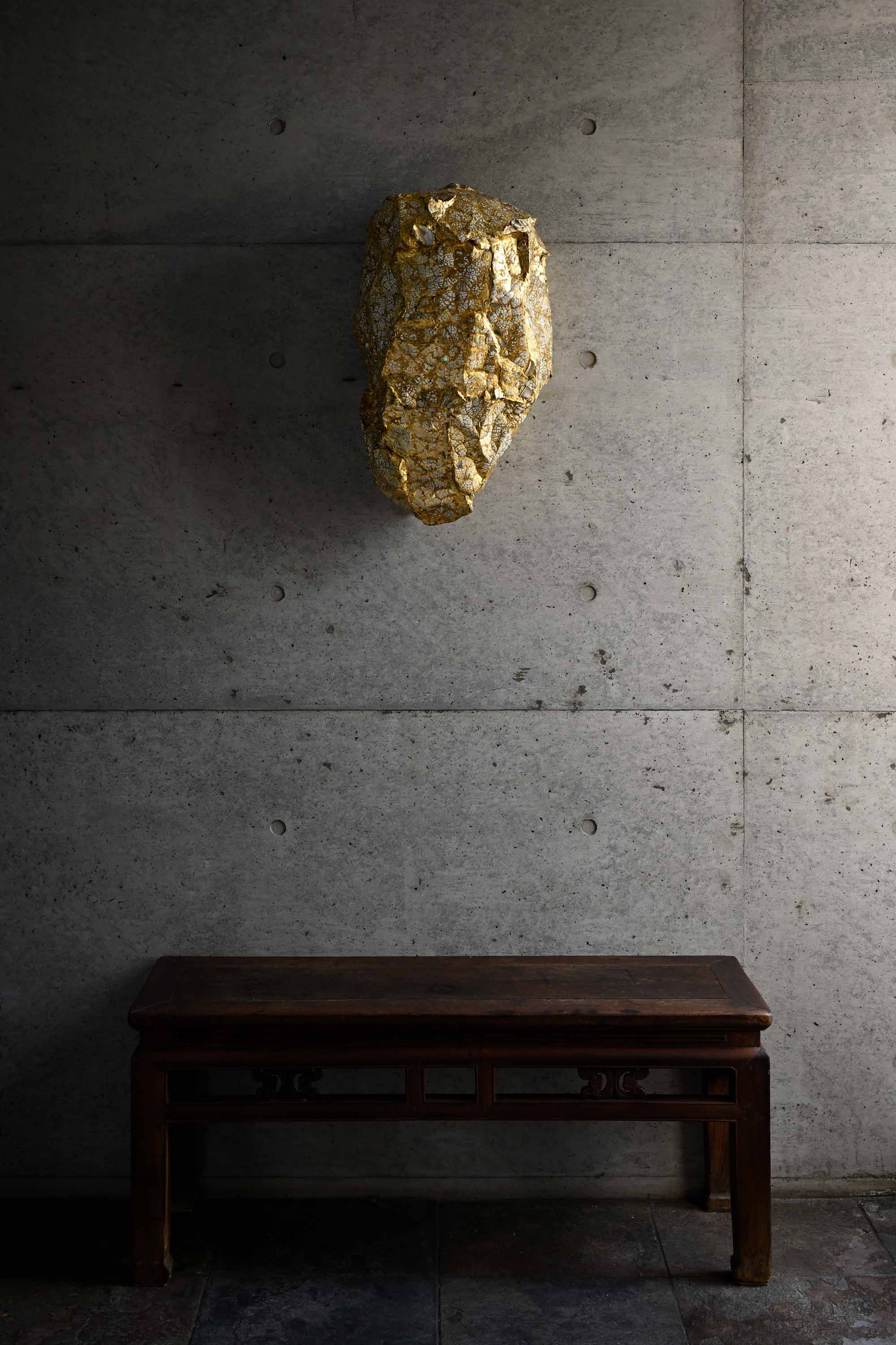
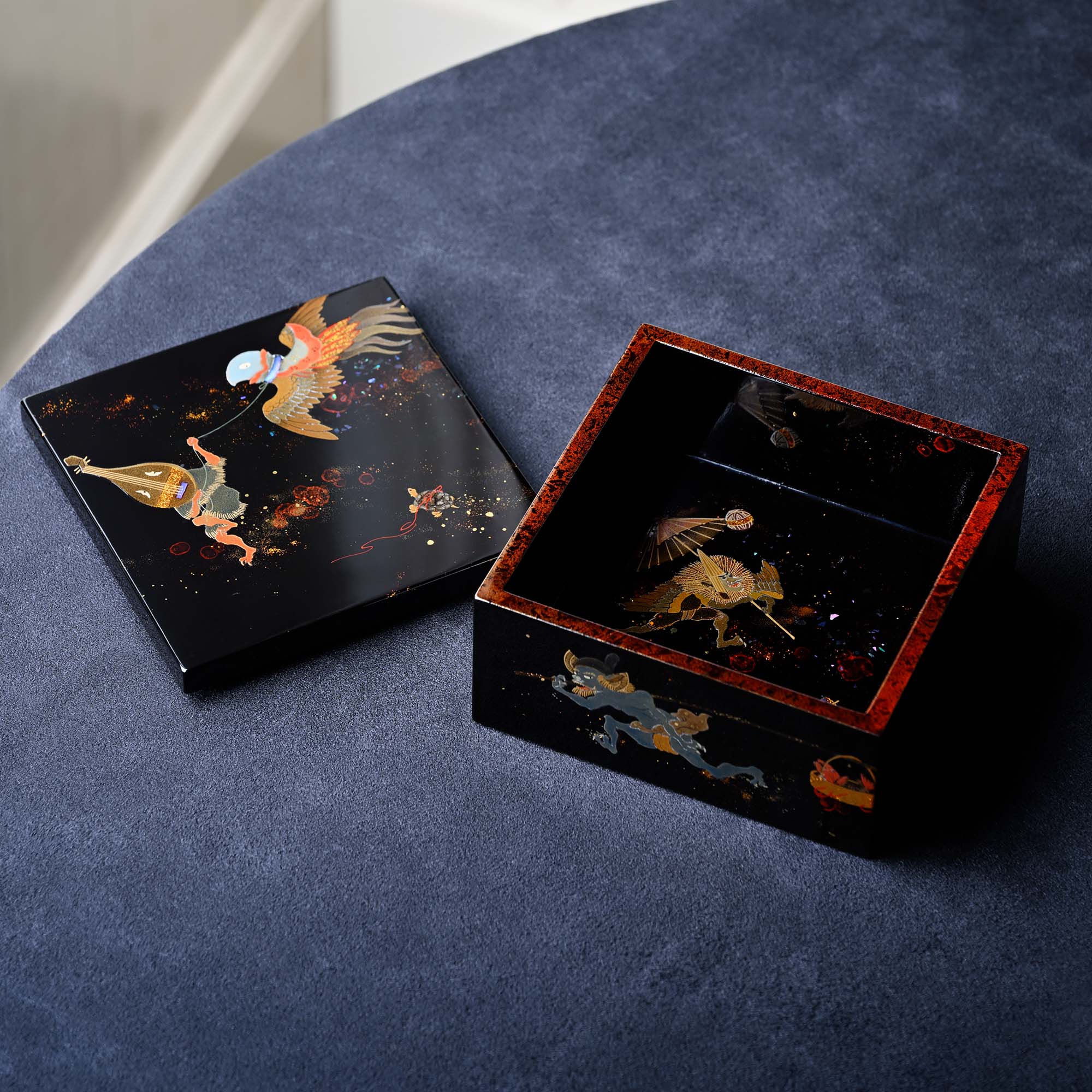
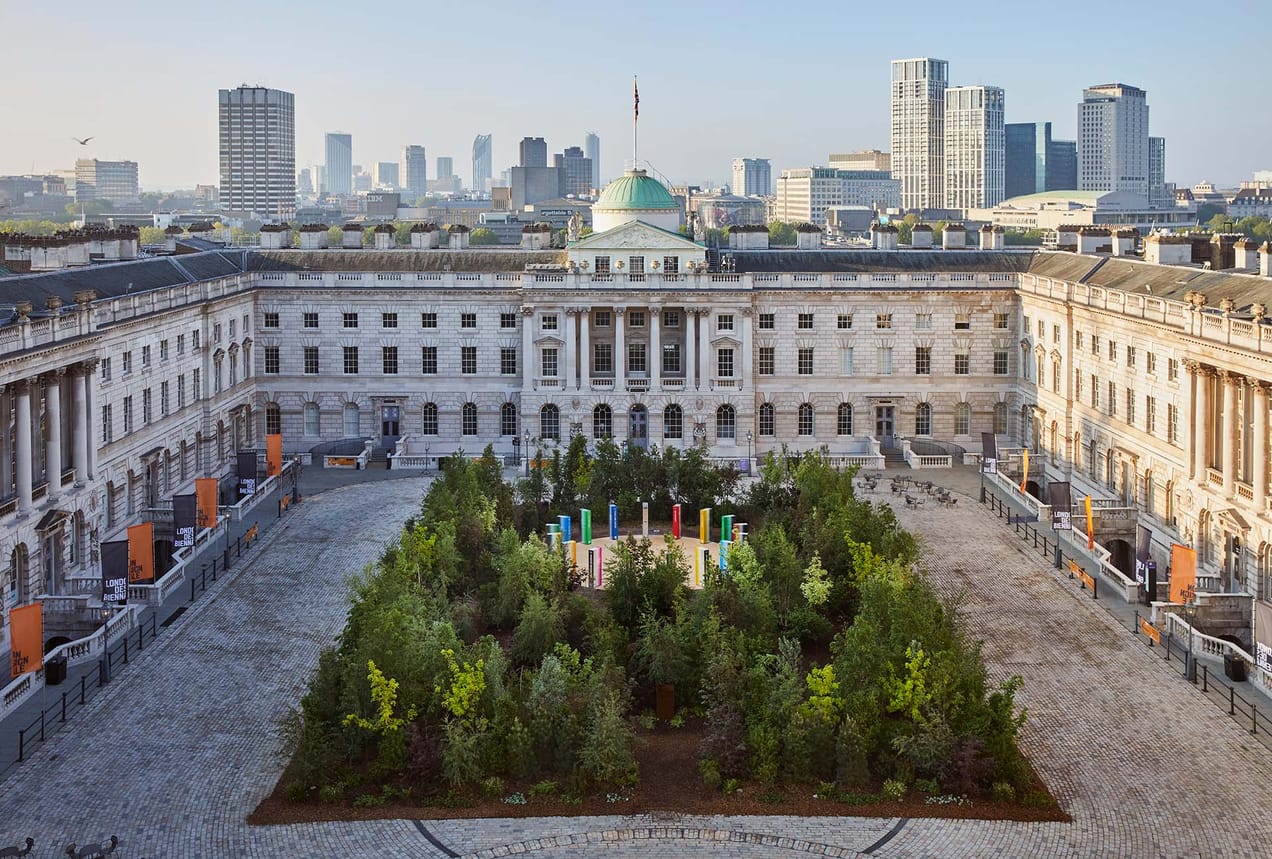
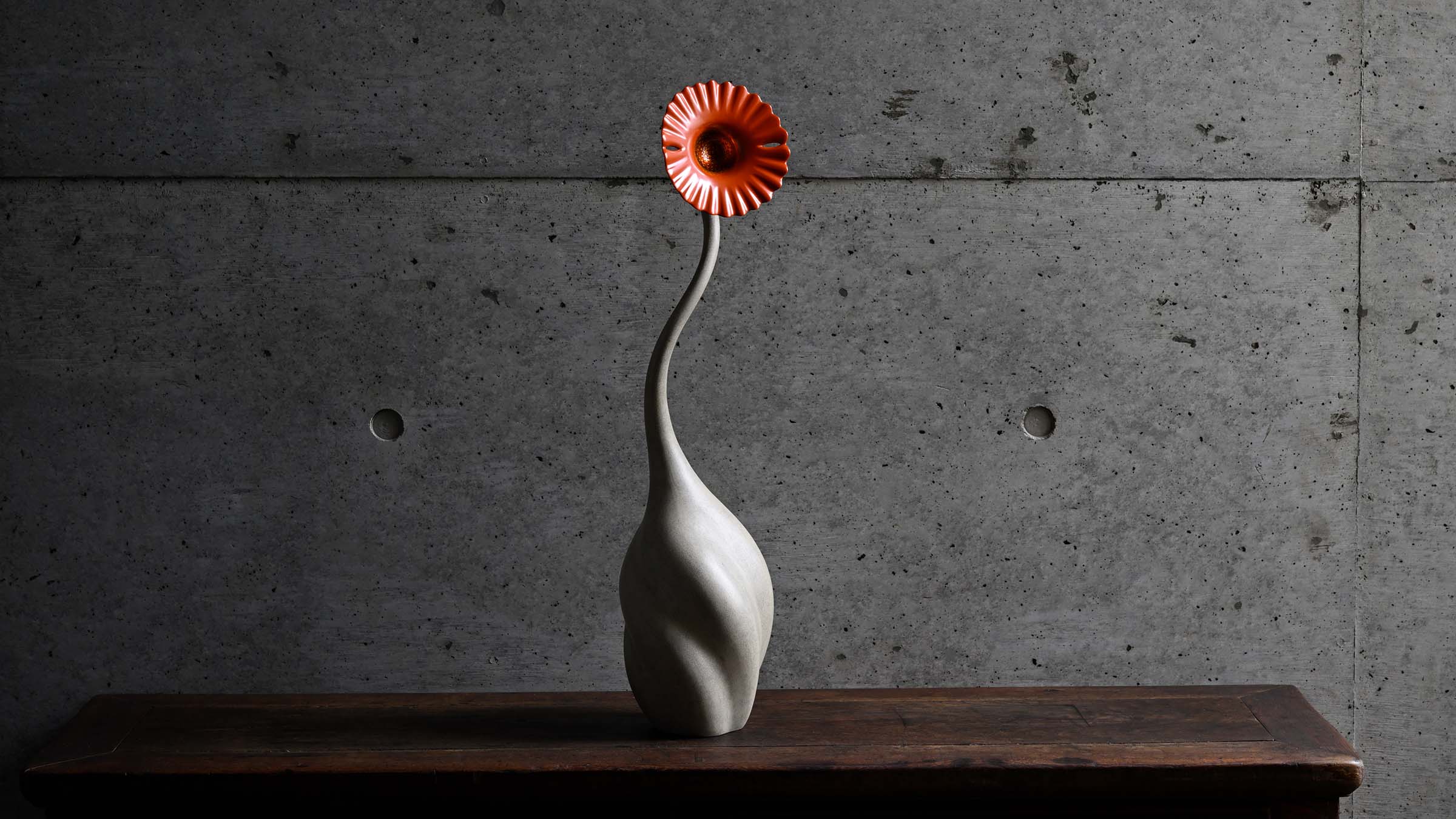
I joined as creative producer for WAJOY's launch and international debut at Collect Art Fair 2026, the leading international fair for contemporary craft and design, held at Somerset House, London (25 February – 1 March). My involvement began at the strategic level, advising Mayumi Tachikawa on company presentation, communications, and positioning. Under the title 'The Ritual of Resilience', WAJOY presented five urushi lacquerware artists from Ishikawa Prefecture: Ken Noguchi, Reia Momose, Junichi Hakose, Yuki Nakamura, and Tomonori Yamasaki.
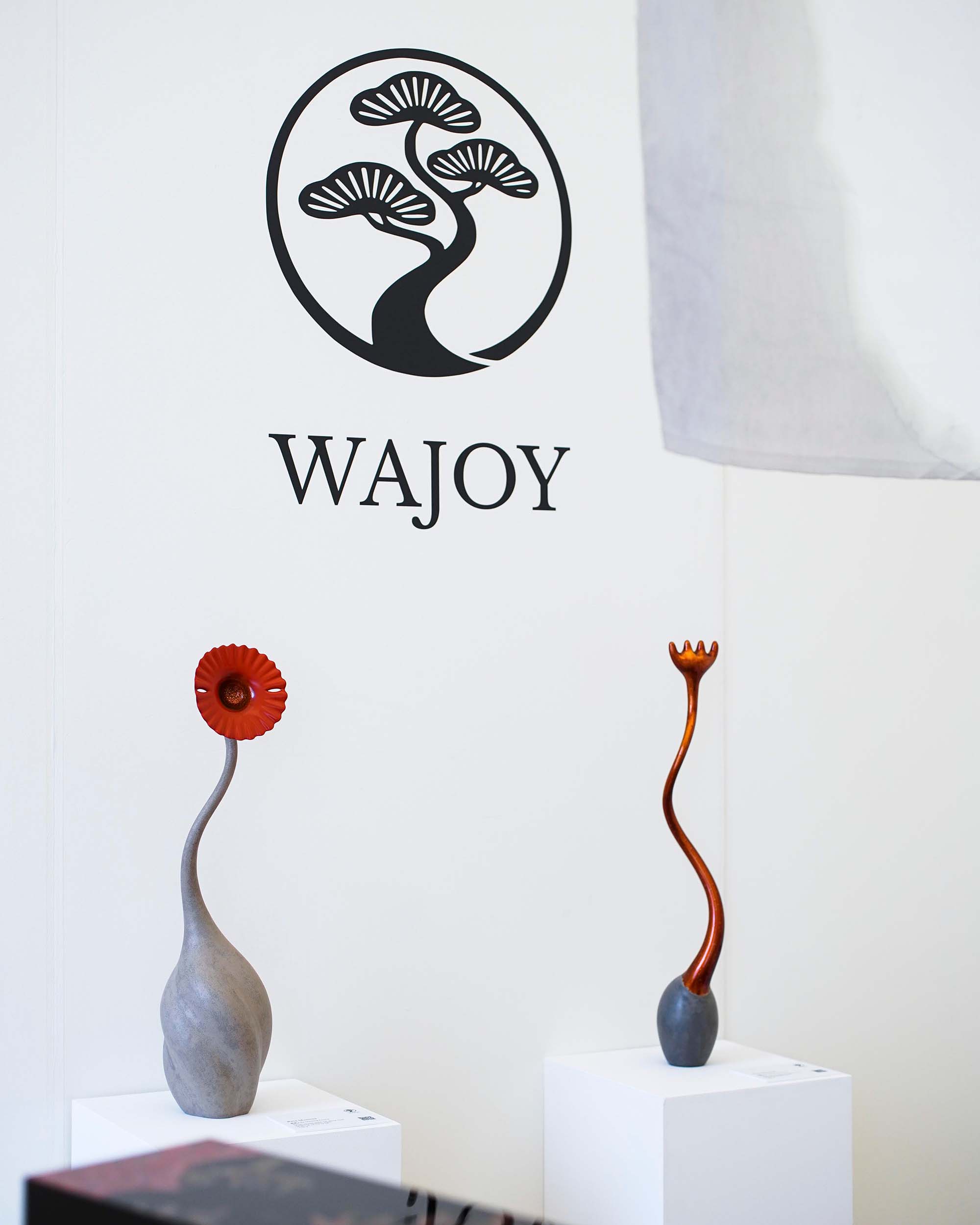
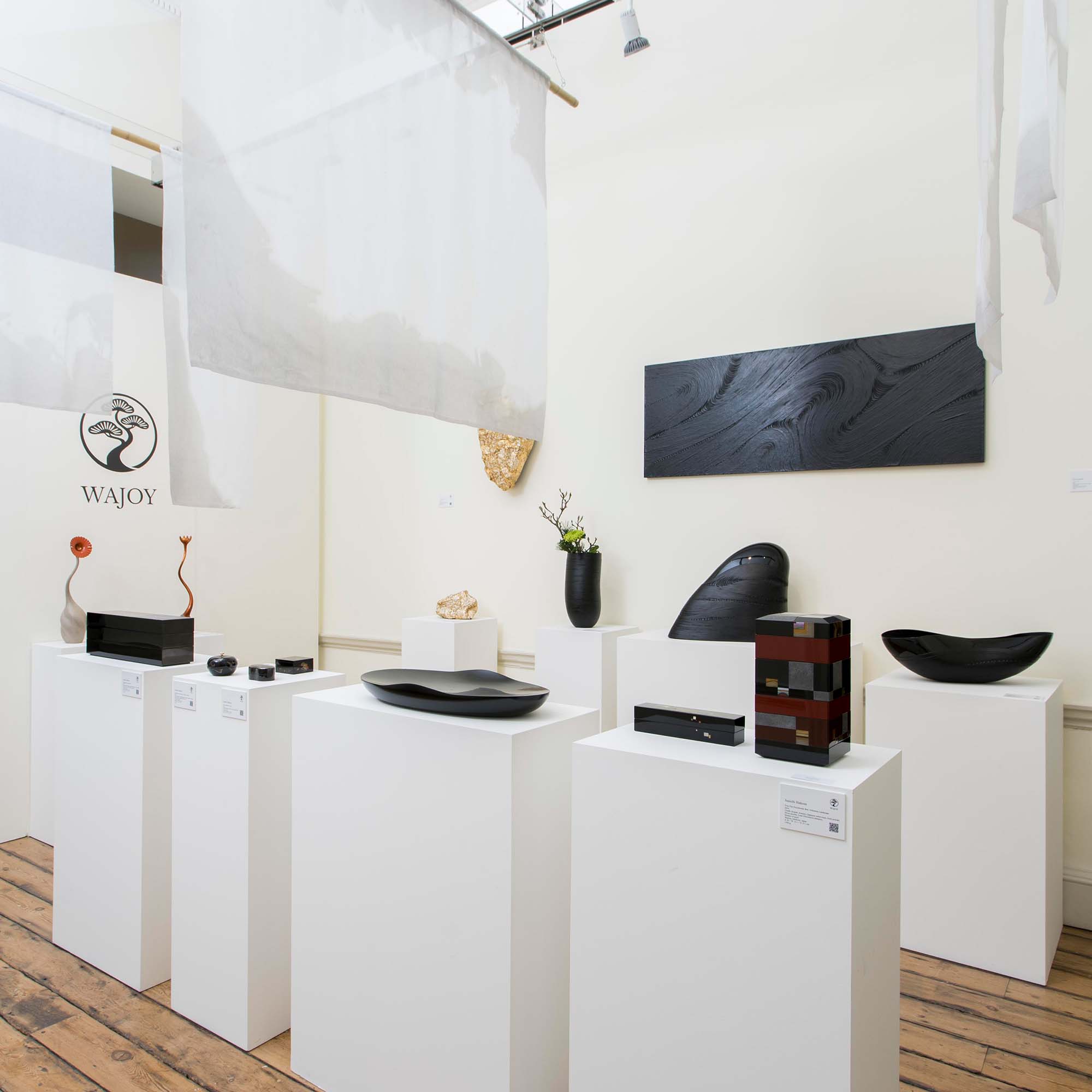
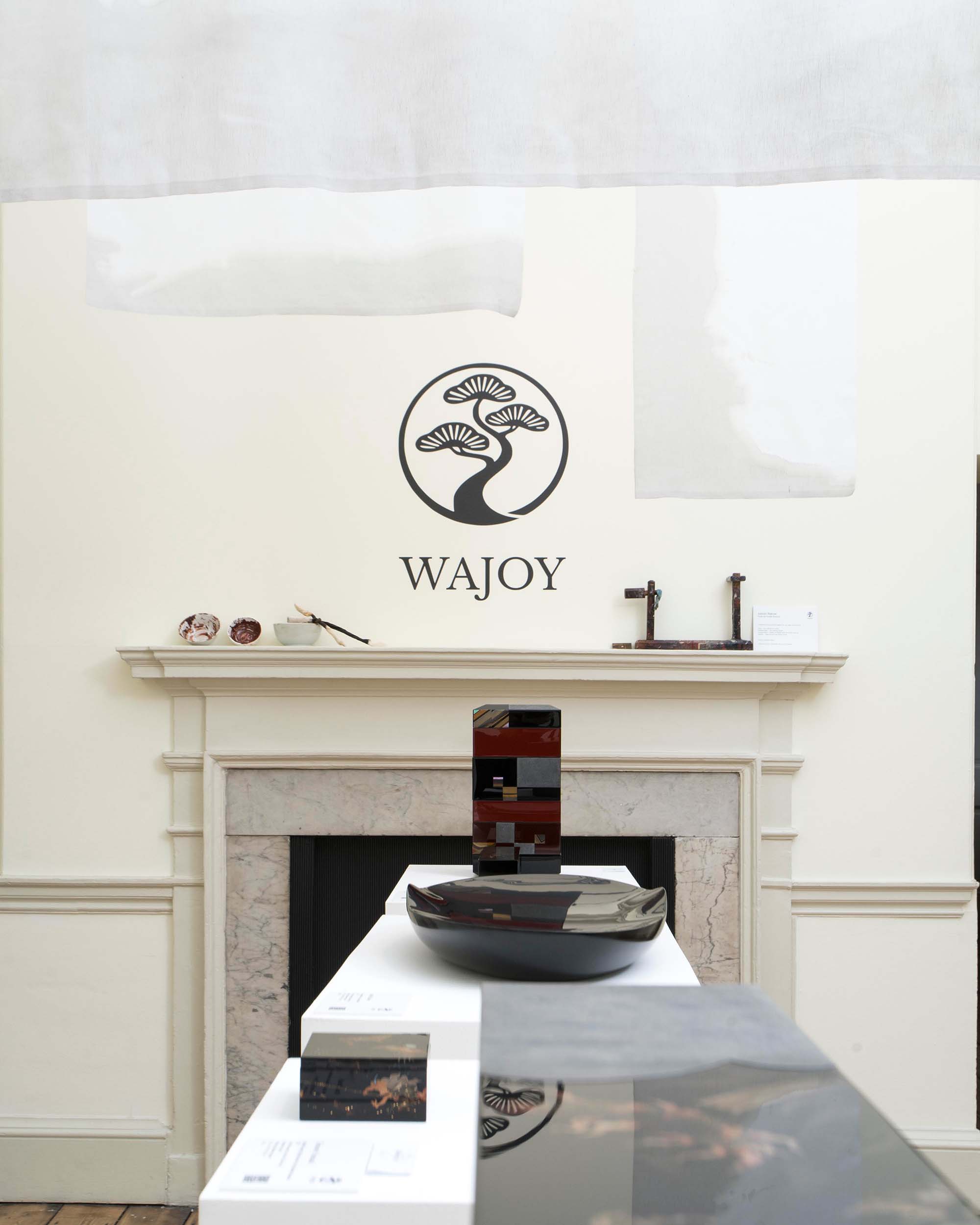
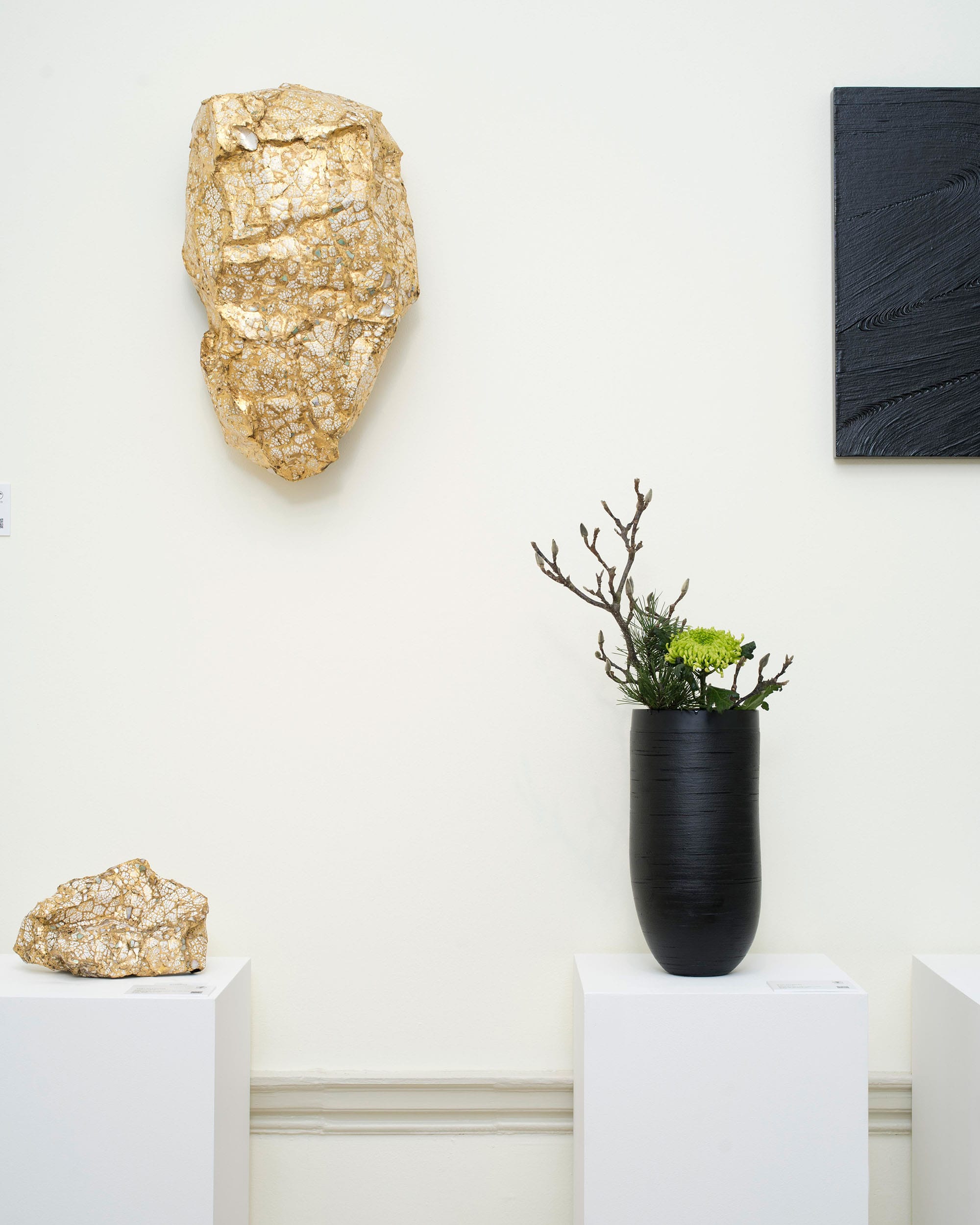
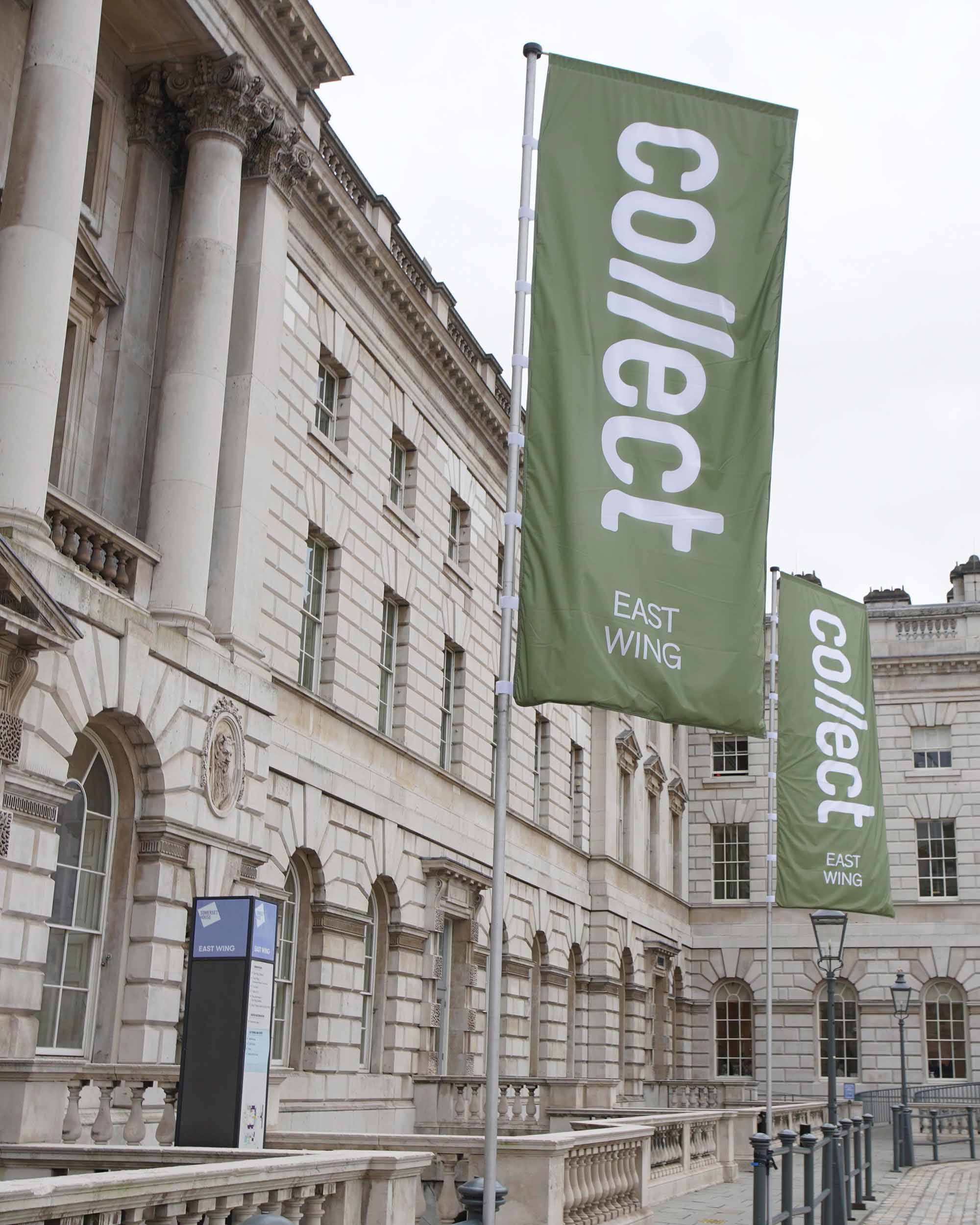
WAJOY at Collect 2026, Somerset House. Photos by Yoi Kawakubo
My role covered creative direction, content strategy, and communications, including press and media. Ahead of the fair, I introduced Mayumi to TF Chan, the newly appointed director of Collect, and worked closely with him throughout. I also hosted a press breakfast at the Prince Akatoki, London's only Japanese-owned hotel, to introduce WAJOY to UK media. Journalists from the Financial Times, The Times, and several leading magazines attended; both published coverage, alongside features in several other outlets.
On the opening day, I was on the floor engaging directly with collectors, media and visitors alongside Mayumi. Several works were sold, new commissions were discussed, and the exhibition space maintained a consistent flow of visitors throughout the fair.
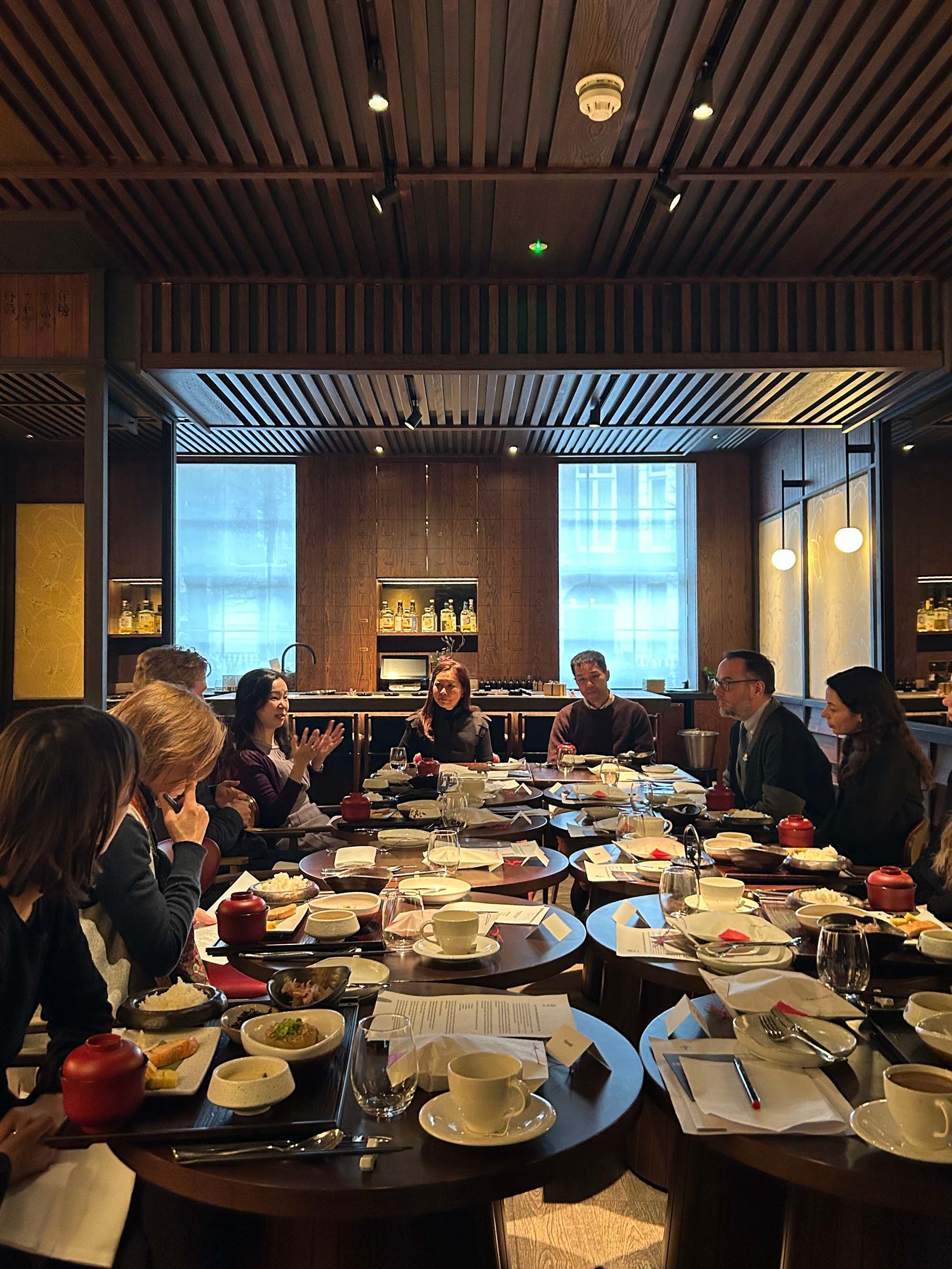
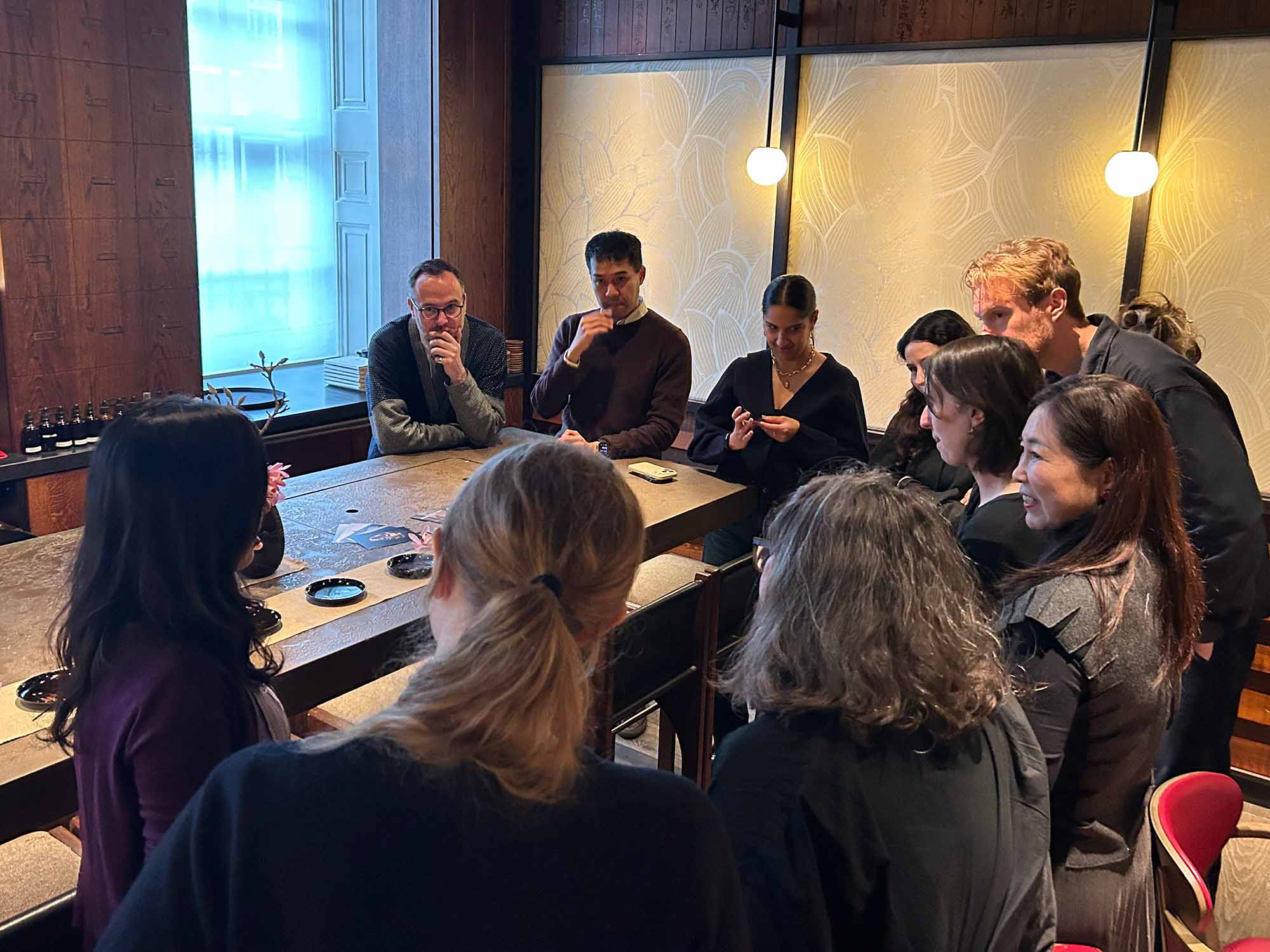
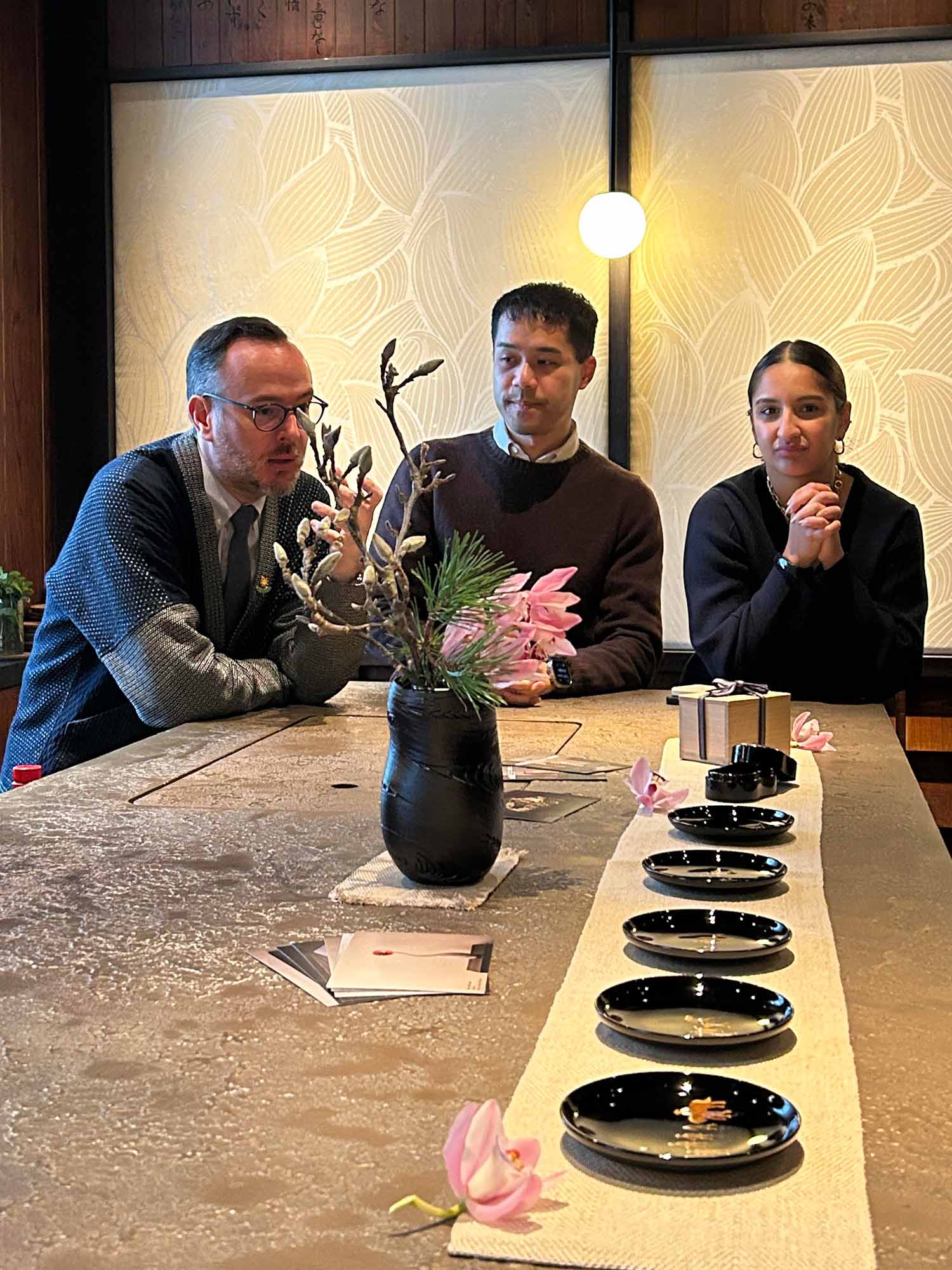
Press breakfast at the Prince Akatoki Hotel with TF Chan (Director, Collect), Masami Yamada (Curator for Japan in the Asian Department at the Victoria and Albert Museum) and Mayumi Tachikawa (Director, WAJOY), hosted by Gianfranco Chicco.
Presenting urushi at Collect in 2026 was a considered choice. A handful of other galleries at the fair were showing urushi works, and broader institutional attention to this material and its associated techniques is gaining momentum, including an exhibition at Japan House London since January, and a forthcoming presentation at the Victoria and Albert Museum in April.
Urushi is a tree sap harvested in East Asia and used in art and craft for over a thousand years, valued for its durability, resilience, and surface beauty. Often translated simply as lacquer, it is a fundamentally different material from European lacquerware, a distinction that matters to collectors. Praised by Junichiro Tanizaki in 'In Praise of Shadows', it remains little known outside Japan, though that is changing.
Selection of Artworks Presented at Collect 2026